Featured White Papers
- Enterprise PBX comparison guide (VoIP-News)
- Webcast: Growing your business with CRM (BNET)
- Hosted CRM comparison guide (Inside CRM)
Health Care Industry
Industry: Email Alert RSS FeedMenstrual Cramps, ; An alternative approach - Dysmenorrhea - Women's Health Update
Townsend Letter for Doctors and Patients, April, 2002 by Tori Hudson
Professor, National College of Naturopathic Medicine Medical Director, A Woman's Time
Author, Women's Encyclopedia of Natural Medicine
11231 SE Market Street * Portland, Oregon 97216 USA 503-255-355
Overview
Menstrual cramps are one of the most common problems that women face, affecting over 50% of menstruating women. The term dysmenorrhea is derived from the Greek and means 'difficult monthly flow' and is commonly used to refer to painful menstruation. Dysmenorrhea is best classified as primary or secondary. In primary dysmenorrhea, painful menstrual cramps occur that have nothing to do with any physical abnormalities or identifiable pelvic disease. Secondary dysmenorrhea is painful menstrual cramps due to some specific pelvic abnormal condition such as endometriosis, pelvic inflammatory disease, adhesions, ovarian cysts, congenital malformations, narrowing of the cervical opening, polyps or uterine fibroids. We will be focusing on primary dysmenorrhea in this issue. Treatment for secondary dysmenorrhea is directed to treating the underlying cause of the condition, but the treatments we will be discussing in this article can be used to alleviate acute menstrual related painful episodes in both primary and second ary dysmenorrhea.


Dysmenorrhea occurs most commonly between the ages of 20 and 24 and the women in this age group experience the most severe pains. Women older than 24 have less painful cramping and the overall incidence of primary dysmenorrhea tends to decrease with age; more rapidly in married women than in unmarried ones, possibly due to childbearing. Women who begin to menstruate at a younger age and have longer menstrual periods have increased severity of pain and more days of pain. In smokers, cramps tend to last longer. Being overweight is also an important risk factor for menstrual cramps and doubles the odds of having a long pain episode. (1) Primary dysmenorrhea usually appears within 6-12 months after the first menstrual period. The pain usually begins several hours before or just after the onset of menstruation. The pain is often the most severe the first or second day of menstruation. The pain tends to be spasmodic and is strongest in the lower part of the abdomen above the pubic hairline, although it can often ra diate to the back and along the inner aspects of the thighs. More than 50% of women with menstrual cramps also have additional symptoms including nausea and vomiting, fatigue, diarrhea, lower backache, and headache. Women with severe cases may also become dizzy and even faint. The symptoms may last from a few hours to one day but seldom last longer than two to three days. Some women have more congestive symptoms that are characterized by a dull aching in the low back and pelvis, bloating and weight gain, along with some systemic symptoms including breast tenderness, headaches and irritability.
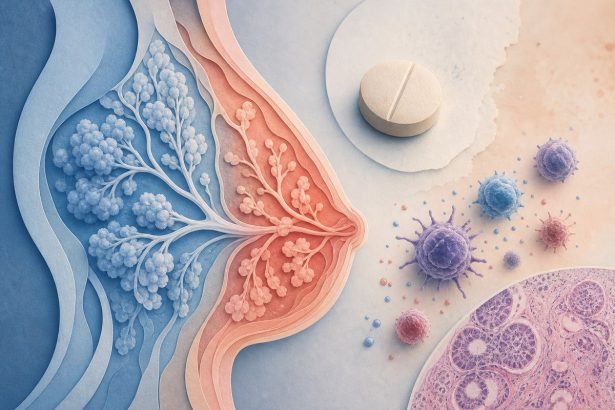
The cause of primary dysmenorrhea may be attributed to one of several factors including behavioral and psychological ones, lack of blood flow and therefore oxygen to the uterus (ischemia), and increased production and release of uterine prostaglandins. Increased prostaglandins, specifically called PGF2alpha and PGE2, causes uterine contractions that lead to ischemia and pain. The levels of both PGF2alpha and PGE2 are low during the first half of the cycle and early part of the second half, but then they rise sharply and reach their highest levels shortly before and during the onset of menses. Studies have found that women with dysmenorrhea produce 8-13 times more PGF than do women without dysmenorrhea. (2) This increase in prostaglandin production may be related to the decline in progesterone levels towards the end of the cycle just before the onset of menses. Dysmenorrhea occurs only in cycles where ovulation has occurred. In cycles that have occurred without ovulation, there is no increase in progesterone p roduction in the second half of the cycle and then the decline as in a normal cycle, and there is subsequently no increase in the prostaglandin concentrations in the lining of the uterus. (3) These mechanisms are then the basis for many of the therapies used, both natural and conventional.
Overview of Alternative Treatments
An alternative approach to menstrual cramps needs to provide effective pain relief while at the same time correcting the underlying dysfunction that is creating the cyclic menstrual pain. Because we are dealing with a functional problem and not a disease state that is causing the pain, we can truly focus on a holistic approach by looking for aggravating factors in the diet, lifestyle, and emotional environment. Dietary principles emphasizing good nutritional habits, eliminating junk foods and saturated fats and increasing whole grains, fruits, and vegetables provide a range of nutrients needed to prevent menstrual cramps. Stress reduction can help us not to store tension in the low back and pelvic area which can worsen cramps. Improvements in our posture improve the positioning of the spine and proper circulation and nerve stimulation to the pelvic organs. Providing acute pain relief is one of the greatest challenges for natural medicine. Mild and moderate levels of pain are more treatable with natural therap ies than acute severe pains although some women with severe pain will experience relief from the therapies we will be discussing. Even when acute pain relief is not accomplished with alternative therapies, a treatment plan for the interim days of the month is important to follow in order to reduce the severity of the recurring menstrual cramp episodes over time. Having a natural therapeutic treatment plan for the chronic problem and using over-the-counter or prescription medicines for the acute pain relief can turn out to be the most effective plan. Overtime, the need for pain medications will decrease. Other natural therapies such as acupuncture, homeopathy and hands on techniques offer effective help for many women with mild, moderate, and even severe menstrual cramps. I often encourage women to try a herbal or nutritional product for several hours during acute pain. If no relief is accomplished within that amount of time, and the pain is severe enough (based on your own personal judgement), then switch to a pharmaceutical method of pain control. As each successive month of treating the chronic problem goes by, a measure of the success of that treatment will be a decreased need to use the acute pain relief medication.