


Los Angeles issued more than 44,000 residential and commercial building permits in 2023, reflecting the city’s steady pace of construction, remodeling, and property improvements. Ongoing development across homes and businesses continues to generate significant amounts of construction and demolition waste.
Whether you’re tackling a home renovation, a landscaping project, or a property cleanout, dumpster rental costs depend on more than just the container you choose. Factors like rental length, debris type, weight limits, and local fees can all influence the final price, making it important to understand how pricing works before booking.
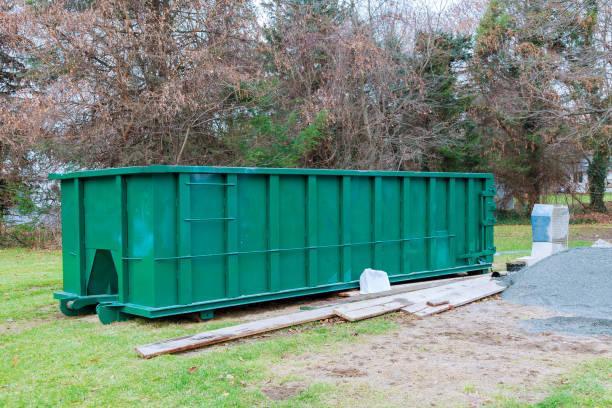
If you’re planning a smaller renovation or cleanup, a 10 yard dumpster rental in Los Angeles can be a practical solution for handling debris without renting a larger container than necessary. However, container size is only one of several pricing factors to consider.
Before renting a dumpster, it’s worth understanding the main factors that can affect the overall price.
1. Dumpster Size
Container size is one of the biggest factors affecting rental costs. Larger dumpsters generally cost more because they hold more material and require additional transportation capacity.
For smaller projects, a 10-yard dumpster may provide enough space without the expense of a larger container. Choosing the correct size can help prevent overspending. Selecting a container that matches the project scope often provides the best value.
2. Rental Duration
Most dumpster companies include a standard rental period in their pricing. Keeping the dumpster longer than the agreed timeframe may result in additional daily charges.
Project delays can sometimes increase rental expenses unexpectedly. Understanding the rental terms in advance can help with budgeting. Scheduling delivery and pickup efficiently may help reduce costs.
3. Type of Debris
The materials being disposed of can significantly affect pricing. Household junk, construction debris, roofing materials, and concrete all have different handling requirements.
Certain materials may require specialized disposal methods or additional fees. Hazardous goods are often prohibited from standard dumpster rentals. Knowing what will be loaded into the container can improve cost estimates.
4. Weight Limits
Most dumpster rentals include weight allowances as part of the agreement. Heavy materials such as soil, brick, concrete, and roofing shingles can exceed those limits quickly.
Additional charges may apply when a container exceeds its included weight allowance. This is one reason weight can be just as important as volume.
Understanding material density can help prevent surprise charges.
5. Local Regulations and Disposal Fees
Local governments may regulate dumpster placement on streets, sidewalks, or public rights-of-way. Permits may be required depending on the location of the container.
For example, local ordinances often govern the temporary use of public property and right-of-way access. Requirements vary from city to city.
Choosing the right dumpster starts with understanding the factors that influence pricing, from rental duration to debris type and weight limits. A 10 yard dumpster rental in LA can be an ideal choice for projects that require efficient waste removal without renting a larger container.
Key Takeaways
- Dumpster size is one of the largest pricing factors.
- Rental duration can affect total project costs.
- Different types of debris may carry different fees.
- Weight limits can result in additional charges.
- Local regulations may affect placement and permitting.
- Federal waste regulations influence disposal practices.
- Planning ahead can help avoid unexpected expenses.

