


Many travelers dream about walking beneath the Himalayas, but choosing the right trekking route — and the right trekking agency in Nepal — is where most people get stuck. You open ten different websites, read ten different itineraries, and somehow end up more confused than when you started.
The Annapurna Base Camp Trek and the Annapurna Circuit Trek are two of Nepal’s most famous adventures, and for good reason. Both wind through the Annapurna Conservation Area, both reward you with jaw-dropping mountain views, and both pass through villages where tea houses still serve dal bhat cooked over wood fires. But they’re not the same trek wearing a different name. One is shorter and more direct. The other is a long, sweeping journey across several climate zones and over one of the highest trekking passes on earth.
- Why Choose a Professional Trekking Agency in Nepal?
- Annapurna Base Camp Trek Overview
- What Makes the ABC Trek So Popular?
- Highlights of the Annapurna Base Camp Trek
- Who Should Choose This Trek?
- Annapurna Circuit Trek Overview
- Why the Annapurna Circuit Is One of the World’s Greatest Treks
- Major Highlights
- Who Is This Trek Best For?
- Annapurna Base Camp Trek vs Annapurna Circuit Trek
- Annapurna Base Camp Trek Cost
- Annapurna Circuit Trek Cost
- Permits Required
- Best Time for Annapurna Trekking
- Difficulty Level and Altitude
- Accommodation and Food
- Essential Packing List
- Responsible Trekking Tips
- How to Choose the Best Trekking Agency in Nepal
- Final Thoughts
This guide walks through the real differences between the two routes — cost, difficulty, permits, best seasons, packing, and how to actually pick a trekking company you can trust. Along the way, working with an experienced local operator matters more than most first-time trekkers realize, since local teams understand trail conditions, weather patterns, permit paperwork, and the small cultural details that make a trek feel less like a checklist and more like an experience. Adventure Great Himalaya is one of several Nepal-based trekking companies travelers may come across while researching guided Himalayan adventures, alongside many other reputable agencies operating out of Kathmandu and Pokhara.
Why Choose a Professional Trekking Agency in Nepal?
You could, in theory, wing it. Some trekkers still try. But the terrain in the Annapurna region isn’t forgiving, and since 2023 the rules have made independent trekking without a guide effectively a thing of the past for most routes.
A good trekking agency in Nepal brings local knowledge that no guidebook can replace — which tea houses are actually open in the off-season, which bridge got washed out last monsoon, how the weather behaves differently on the Manang side versus the Muktinath side. Licensed guides handle permit arrangements, transportation, and accommodation bookings, which sounds like a small thing until you’re standing at a checkpoint at 6am without the right paperwork. Agencies also coordinate emergency assistance, which matters far more in a place where the nearest hospital might be a helicopter ride away.
Beyond logistics, a solid agency gives you flexibility. Itineraries can shift if someone in your group is struggling with altitude, or if a landslide closes a section of trail. And there’s a cultural layer too — guides who grew up in these valleys tend to offer insights you’d never get on your own, from which teahouse family has run their lodge for three generations to why certain villages celebrate specific festivals.
Annapurna Base Camp Trek Overview
What Makes the ABC Trek So Popular?
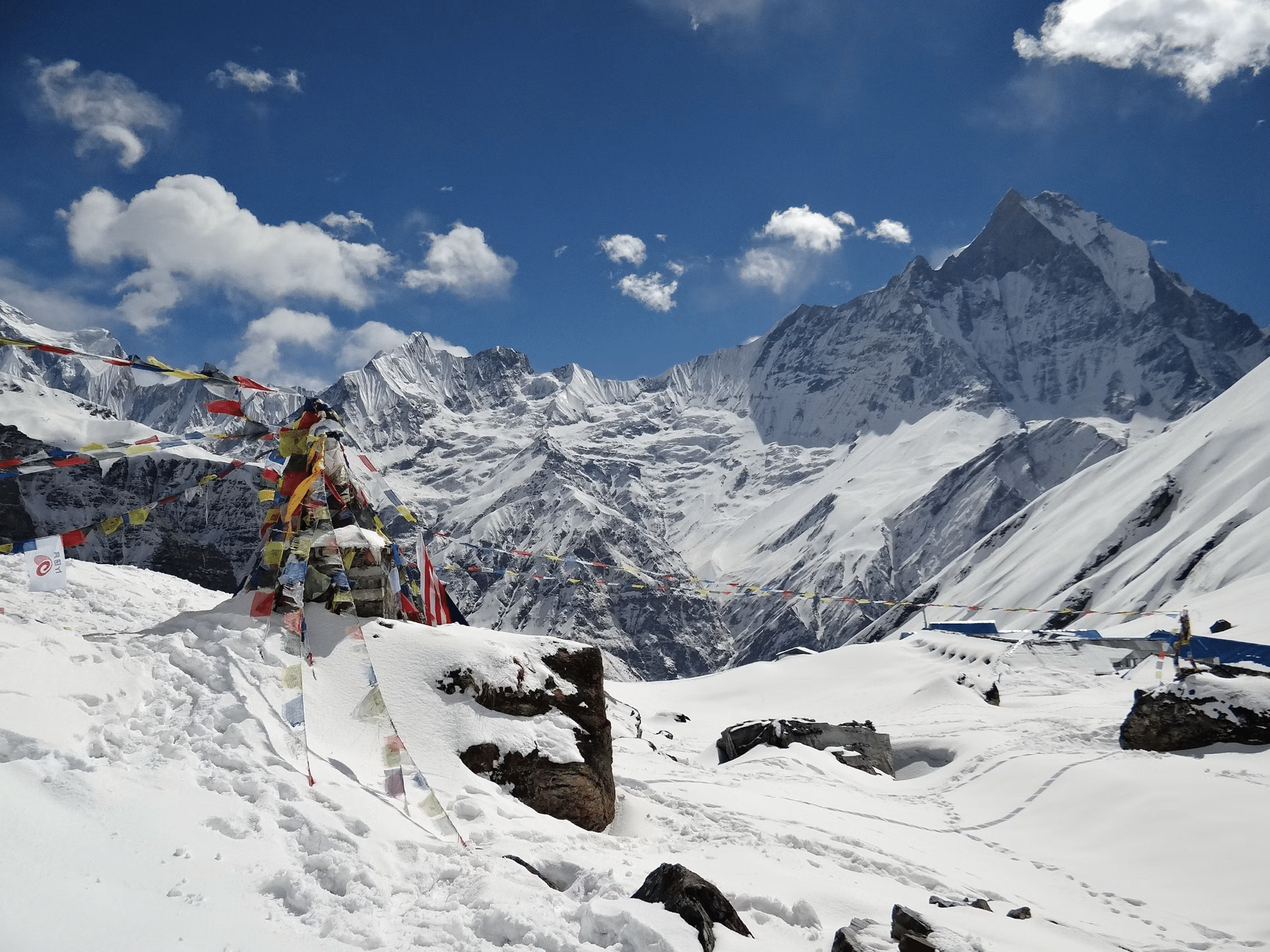
The Annapurna Base Camp Trek — often just called the ABC Trek — leads you straight into the Annapurna Sanctuary, a natural amphitheater ringed by some of the highest peaks in the world. What makes it special is how close you get. Unlike many Himalayan treks where the big mountains stay distant, ABC puts you right beneath them.
It’s a moderately difficult trek, which is part of the appeal. You’ll pass through dense rhododendron forests (spectacular if you time it for spring bloom), climb stone staircases through Gurung villages, and eventually reach Machhapuchhre Base Camp before pushing on to Annapurna Base Camp itself. Sunrise at ABC, with light hitting the surrounding snow walls, is one of those moments that photographs never quite capture properly.
Highlights of the Annapurna Base Camp Trek
The trail delivers close-up views of Annapurna I, Machhapuchhre (Fishtail), and Annapurna South, often within the same afternoon of walking. Lower down, you’ll pass through bamboo and rhododendron forest before the valley opens up into high alpine terrain. Jhinu Danda’s natural hot springs are a welcome stop, usually on the way back down, and give tired legs a genuine reason to celebrate. Traditional Gurung villages along the route offer a good look at local life, and the tea houses here are generally well-established, since this is one of the busier trails in the region.
Who Should Choose This Trek?
ABC works well for beginners, families with older kids, and anyone attempting their first Himalayan trek. It’s also a favorite among photography lovers, since the trail delivers big payoff views without demanding technical mountaineering skill or extreme fitness.
Annapurna Circuit Trek Overview
Why the Annapurna Circuit Is One of the World’s Greatest Treks
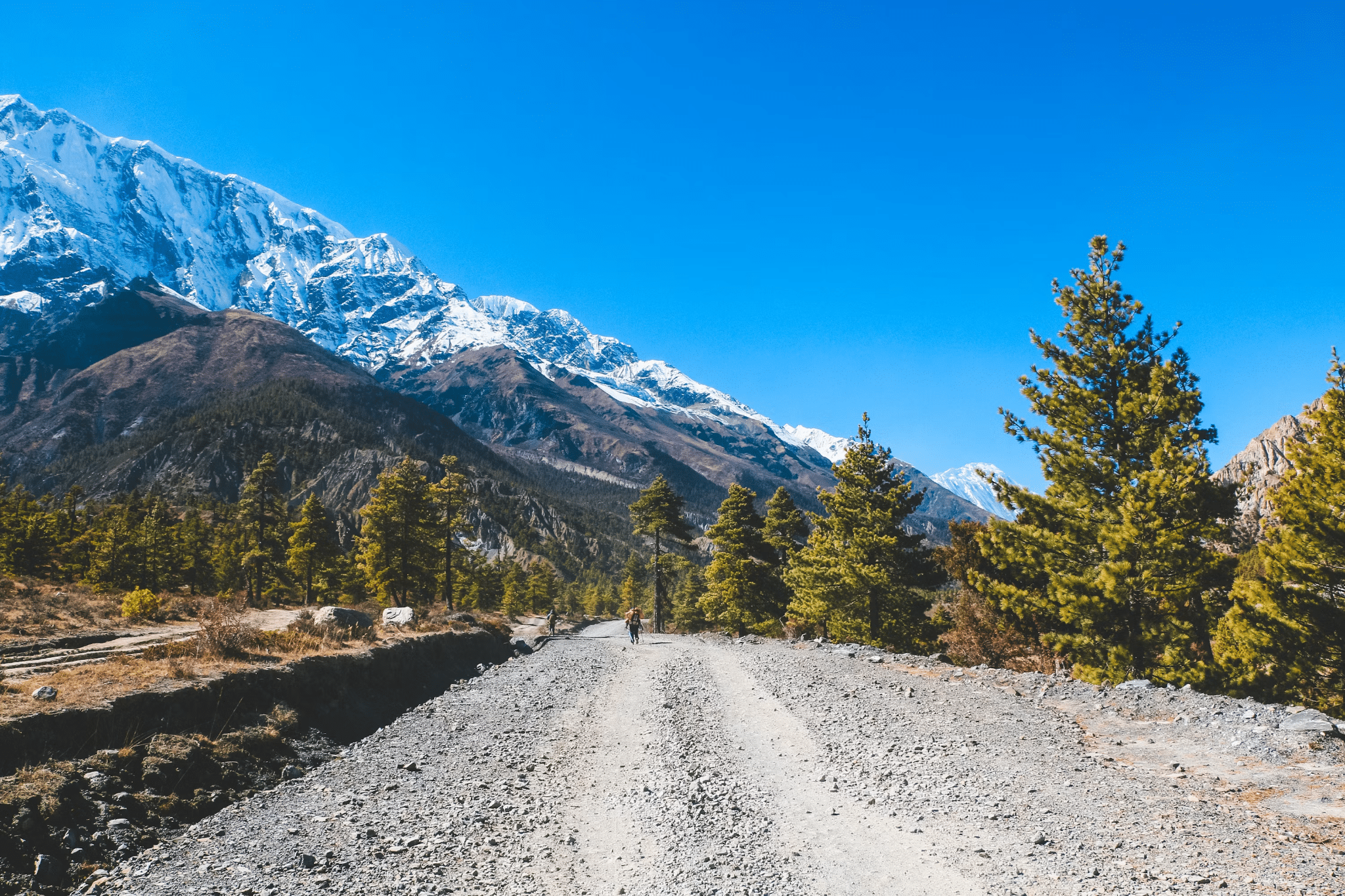
If ABC is a focused sprint toward one incredible viewpoint, the Annapurna Circuit Trek is the full tour. This is a long-distance trek that loops around the entire Annapurna massif, crossing through the Marshyangdi Valley on one side and the Kali Gandaki Valley on the other. Along the way, the landscape and culture shift dramatically — lush subtropical forest gives way to high alpine desert, and villages with visible Tibetan Buddhist influence replace the Hindu-influenced lower valleys.
The centerpiece is Thorong La Pass, sitting above 5,400 meters, which connects the Manang side to the Muktinath side. Crossing it is a genuine achievement, both physically and logistically, since weather and altitude both play a role in how the day unfolds.
Major Highlights
Manang and Pisang offer a look at high-altitude Himalayan village life, often with dramatic mountain backdrops right from the lodge windows. Muktinath, on the other side of the pass, is an important pilgrimage site for both Hindus and Buddhists. The descent through the Kali Gandaki Gorge — one of the deepest gorges on the planet — is dramatic in its own right, and yak pastures near Manang give the trail a wild, remote feel that ABC doesn’t quite match.
Who Is This Trek Best For?
The Circuit suits experienced hikers and adventure seekers who want a longer trekking holiday, ideally two to three weeks. If you love high-altitude environments and don’t mind a demanding day crossing the pass, this route delivers one of the most complete Himalayan experiences available anywhere.
Annapurna Base Camp Trek vs Annapurna Circuit Trek
| Feature | ABC Trek | Annapurna Circuit |
| Duration | 7–12 days | 12–20 days |
| Max altitude | ~4,130m | ~5,416m (Thorong La) |
| Difficulty | Moderate | Moderate to challenging |
| Trek style | Out-and-back loop | Full circuit loop |
| Mountain views | Close, concentrated | Broad, panoramic |
| Culture | Gurung villages | Gurung, Manangi, Tibetan-influenced |
| Accommodation | Tea houses, generally well developed | Tea houses, varying comfort levels |
| Crowds | Busy, especially in peak season | Moderate, spreads out along the loop |
| Scenic diversity | Forest to alpine | Subtropical to high desert |
| Best for beginners | Yes | Less so |
| Best for experienced trekkers | Can be, at a faster pace | Yes |
| Budget | Generally lower | Generally higher, due to length |
Annapurna Base Camp Trek Cost
A realistic ABC trek package typically covers accommodation in tea houses, three meals a day on the trail, a licensed guide, and often a porter if you’d rather not carry your own bag over ten days of walking. Transportation to and from the trailhead (usually via Pokhara), permit fees, and basic insurance coordination are usually bundled in as well. Equipment rental — sleeping bags, trekking poles, down jackets — is available in Pokhara if you don’t want to buy gear you’ll rarely use again back home.
Tipping isn’t mandatory but is very much expected, and most trekkers budget somewhere between $100–150 total for guides and porters combined by the end of the trip.
As a rough estimate for 2026:
- Budget package: roughly $450–650
- Standard package: roughly $700–1,000
- Luxury package (private rooms, better lodges, extra comforts): $1,200 and up
Annapurna Circuit Trek Cost
Because the Circuit runs longer and covers more remote ground, costs run higher across the board. Accommodation, guide and porter fees, meals, and permits are all calculated over a longer stretch, and transport to Besisahar (or wherever your itinerary starts) plus the return journey from Jomsom or Pokhara adds to the total. Equipment needs are similar to ABC but you’ll want warmer gear given the altitude at Thorong La.
Extra expenses to plan for include the optional jeep or flight segments some trekkers use to shorten the trail, and slightly higher tipping expectations given the longer duration.
Rough 2026 estimates:
- Budget: $700–1,000
- Standard: $1,100–1,600
- Premium: $2,000+
Prices swing depending on group size, season, whether you book a private guide versus joining a group, and how much comfort you want along the way.
Permits Required
Every trekker heading into the Annapurna region needs an ACAP permit (Annapurna Conservation Area Project), issued to protect the region’s environment and support local conservation work. This gets checked at multiple points along the trail, including Birethanti, Chhomrong, Besisahar, and Chamje, depending on your route.
As of 2026, TIMS cards are no longer enforced in the Annapurna region — checkpoints now focus on verifying the ACAP permit itself, along with confirmation that you’re trekking with a licensed guide, which has been mandatory since 2023. You’ll need passport copies and passport-sized photos when applying, and a registered trekking agency in Nepal will typically handle the paperwork on your behalf rather than leaving you to navigate the offices in Kathmandu or Pokhara solo.
Best Time for Annapurna Trekking
Spring (March–May) brings warmer days, blooming rhododendron forests, and generally clear morning visibility, though afternoon haze can creep in. It’s a popular season, so trails and tea houses fill up.
Autumn (late September–November) is widely considered the best window — crisp air, the clearest mountain views of the year, and stable weather. It’s also the busiest season, so book ahead if you’re picky about lodges.
Winter (December–February) thins out the crowds considerably and offers striking snow-covered scenery, but higher sections like Thorong La can close entirely, and cold nights are no joke.
Monsoon (June–August) is generally avoided for Annapurna trekking due to rain, leeches, and poor visibility, though the Kali Gandaki side (in the rain shadow) sometimes fares slightly better than other routes.
Difficulty Level and Altitude
ABC tops out around 4,130 meters, which is high enough to warrant acclimatization but generally manageable for reasonably fit trekkers. The Circuit’s Thorong La Pass sits above 5,400 meters, putting it firmly into serious high-altitude territory.
Both treks involve five to seven hours of walking on most days, with steady elevation gain and loss on stone staircases that can wear down knees faster than flat trails would. Some basic training beforehand — hill walking, stair climbing, a few months of regular cardio — makes a noticeable difference.
Altitude sickness prevention comes down to a few basics: walk slowly, follow proper acclimatization days built into your itinerary, stay hydrated, and never push through severe symptoms like persistent headache, nausea, or confusion. A good guide will know when to slow the pace or, if necessary, arrange a descent.
Accommodation and Food
Tea houses along both routes range from simple to fairly comfortable, with private rooms increasingly common on the busier ABC sections. Heating is usually limited to a communal dining room stove, so evenings can be cold regardless of season. Wi-Fi and charging are available in most lodges now, though often for a small extra fee, and slower the higher you climb.
Meals lean heavily on dal bhat, the classic Nepali lentil-and-rice plate that most guides swear by for sustained energy. Momos, noodle dishes, and soups round out the menu, and breakfast typically includes eggs, porridge, or Tibetan bread. Bottled water is available but costly and wasteful at altitude — most trekkers now carry a filter or purification tablets instead.
Essential Packing List
Clothing
Layered clothing works best — a moisture-wicking base layer, insulating mid-layer, and a waterproof outer shell. Warm gloves and a hat matter more than people expect, especially on the Circuit.
Footwear
Broken-in trekking boots with ankle support, plus a lighter pair of camp shoes for evenings.
Electronics
A headlamp, portable power bank, and a basic camera or phone with a good lens for those sunrise shots.
Personal Items
Sunscreen, lip balm, basic first-aid supplies, and any personal medication.
Documents
Passport, permit copies, travel insurance details, and passport photos for permit processing.
Optional Gear
Trekking poles, a sleeping bag liner, and a small daypack for day hikes from base lodges.
Responsible Trekking Tips
Leave No Trace principles matter here just as much as anywhere else — pack out what you pack in, and avoid single-use plastic where possible. Support local businesses by eating and staying at locally-run tea houses rather than bringing in outside supplies. Respect local culture, particularly around monasteries and religious sites near Muktinath. Hiring licensed guides isn’t just a legal requirement now, it also puts money directly into local communities. Stick to marked trails, both for safety and to avoid damaging fragile alpine ecosystems, and always carry adequate travel insurance that covers high-altitude trekking and emergency evacuation.
How to Choose the Best Trekking Agency in Nepal
Look for government registration and confirmation that guides are properly licensed. Transparent pricing matters — vague quotes that leave out permit fees or “extras” are a red flag. Check recent reviews rather than just testimonials on the company’s own site, and ask directly about their safety standards and emergency evacuation planning.
Smaller group sizes tend to mean more personalized attention on the trail, and agencies with genuine local expertise — not just an office in Kathmandu but staff who’ve actually walked these routes repeatedly — tend to handle problems better when they come up. Good communication before you even book, and a track record of years operating in the region, are both solid signs you’re dealing with a company that knows what it’s doing.
Final Thoughts
Both treks earn their reputation, just for different reasons. ABC suits travelers looking for a shorter, more concentrated Himalayan adventure with huge scenic payoff for a moderate amount of effort. The Annapurna Circuit is the pick for those wanting a longer, more demanding journey through some of the most varied landscapes in Nepal, capped off by the genuine challenge of Thorong La Pass.
Before booking either, compare itineraries carefully, be honest with yourself about fitness level, and factor in the season you’re traveling and your overall budget. Reaching out to a reputable trekking agency in Nepal for personalized advice is usually worth the conversation — every group and every trekker has slightly different needs, and a good operator will tell you honestly which route fits yours best.

