


Your mouth can reveal more about your health than you might expect. From early signs of gum disease to clues about stress, sleep issues, and daily habits, dental care sits closer to whole-body wellness than most people realize.
If you live around Thornton, Colorado, that matters even more because dry air, active lifestyles, and packed schedules can make routine care easy to delay. A smart dental routine doesn’t need to be complicated, but it does need to be consistent and informed.
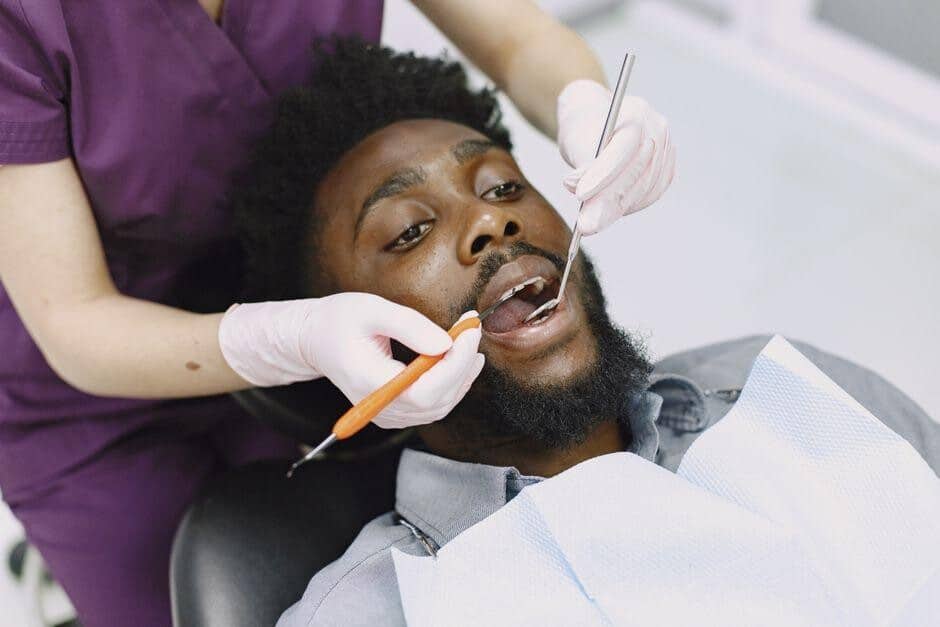
Regular Visits Save You More Than Money
Most people put off dental appointments for pretty predictable reasons: time, cost, nerves, or the classic “nothing hurts, so I’m probably fine.” That logic sounds efficient right up until a small cavity turns into a root canal situation.
Preventive care usually costs less, hurts less, and disrupts your life less than emergency treatment. Cleanings remove buildup you can’t fully handle at home. Exams help catch cracks, decay, gum issues, and bite problems before they get more complicated.
If you’re also looking for a reliable, local dentist Thornton has many professionals offering preventive and restorative care. Choosing a local provider makes routine appointments easier to keep. Convenience matters more than people admit. A nearby office often means fewer skipped visits and quicker follow-up when something needs attention.
Regular dental care also helps you build a treatment history. That gives your care team a clearer view of changes over time, which can be useful when symptoms are subtle. One visit is a snapshot. Ongoing care gives you the full timeline.
Your Mouth Often Shows Health Problems Early
You probably think of brushing and flossing as a way to keep your teeth clean and your breath under control. Fair enough. But your mouth also acts like an early warning system for wider health issues.
Bleeding gums may point to inflammation that goes beyond oral care. Chronic dry mouth can connect to dehydration, medications, or certain medical conditions. Teeth grinding can hint at stress, sleep problems, or an uneven bite. Even persistent bad breath can suggest more than a strong lunch.
Dentists often spot patterns before you do. They look for tissue changes, gum recession, enamel wear, and signs of infection that can quietly build over time. That makes regular checkups less about polishing your smile and more about catching trouble while it’s still manageable.
The local climate plays a role too. Dry air can leave your mouth feeling parched, especially if you breathe through your mouth during sleep or spend a lot of time outdoors. That small annoyance can increase your risk of cavities and irritation faster than you’d expect.
Gum Health Has a Bigger Impact Than Most People Think
Gum disease doesn’t always arrive with dramatic warning signs. It can start with mild swelling, a little bleeding when you floss, or tenderness you ignore because it fades by morning. Quiet problems are often the ones that get away with the most.
When plaque sits along the gumline, bacteria trigger inflammation. Over time, that irritation can damage the tissue and bone supporting your teeth. You may hear terms like gingivitis or periodontitis. They sound clinical because they are, but the outcome is pretty personal: pain, loose teeth, expensive treatment, and a lot of regret.
There’s also a broader health angle. Researchers have spent years studying links between gum disease and conditions such as heart disease, diabetes, and pregnancy complications. Your mouth is not operating in its own little bubble. It’s part of the same system handling blood flow, immune response, and inflammation all day.
Daily Habits Leave Clear Clues on Your Teeth
Your dentist can usually spot lifestyle patterns without needing detective music in the background. Teeth carry receipts. Coffee, soda, sports drinks, smoking, vaping, nail biting, ice chewing, and skipped cleanings all tend to leave visible evidence.
Acidic drinks can soften enamel, even when they’re marketed as healthy. Constant snacking can feed bacteria throughout the day, which gives cavities more chances to form. Brushing too hard can wear down enamel and irritate gums. A high-powered scrub session is not a flex.
If you play sports, a mouthguard matters. A chipped tooth can happen in seconds and cost far more than a piece of protective gear. If you grind your teeth at night, a custom guard may prevent headaches, jaw soreness, and long-term damage.
Smart Dental Care Looks Simple, Not Fancy
You do not need a bathroom counter that looks like a dental trade show. A practical routine beats a complicated one you won’t maintain. Start with a soft-bristled toothbrush, fluoride toothpaste, and daily flossing. If traditional floss drives you slightly mad, floss picks or a water flosser can help.
A few habits make a real difference:
- Brush for two full minutes, twice a day
- Floss once daily before brushing at night
- Drink more water, especially after meals and coffee
- Limit constant sipping of sugary or acidic drinks
- Replace your toothbrush every three to four months
- Wear a mouthguard for sports or nighttime grinding if recommended
Diet matters too. Crunchy vegetables, dairy products, and balanced meals support oral health better than a steady rotation of chips, candy, and energy drinks.
A Healthy Smile Supports Confidence, Comfort, and Long-Term Health
Dental care affects more than how your teeth look in photos. It changes how comfortably you eat, speak, sleep, and show up around other people. When your mouth hurts, even small daily tasks become irritating. When your smile feels healthy, you tend to notice everything else a little less.
There’s also the confidence factor. People often underestimate how much oral discomfort or visible dental issues can affect work, school, and social life. You may smile less, speak more carefully, or avoid certain foods. Those adjustments seem minor until they become routine.
Keeping your mouth healthy is not about chasing a perfect smile. It’s about lowering risk, staying comfortable, and catching issues before they become bigger and more expensive. That approach works better than waiting for obvious pain, because pain is usually a late-stage messenger.
If your last appointment was longer ago than you’d like to admit, you’re not alone. The fix is straightforward: schedule the visit, ask questions, and rebuild the habit from there. Your teeth have been taking notes. It’s worth giving them a better story to tell.

