


A familiar, safe-looking stock can stay flat for two years while the index rises. Felix Prehn, a former investment banker and economist, built courses that teach where big capital moves next. Old advice said pick a famous name and forget it, and money drains from a sector within weeks.
Key Takeaways
- Sector rotation now matters more for returns than the reputation of a single company.
- Share prices rise where institutional money lands, so tracking the flow pays off.
- When too many traders bet one way, the reverse move can be sudden and sharp.
- Positioning, a price breakout, and forced buying together explain most violent rallies.
- A single index fund covers many companies, so one weak stock has limited effect.
Who Is Felix Prehn And Goat Academy
Felix Prehn is a former investment banker and economist with 20+ years in the markets. He is founder and director of Goat Academy Ltd, an online trading and investing education platform registered in Hong Kong. The company teaches the Wall Street Protocol, a framework for reading institutional money flow and market liquidity. Goat Academy has taught 26,000+ students, and 640+ Trustpilot reviewers rate the platform 4.7 stars. Roughly 90% of the teaching costs nothing on the Felix and Friends YouTube channel, now at 690K+ subscribers, 2700+ videos, and 83M+ views, growing weekly. His first lesson tackles the advice most people grew up with.
- Key Takeaways
- Who Is Felix Prehn And Goat Academy
- Why Old Investing Fell Behind
- Momentum Now Beats Quality
- The Rubber Band Snap-Back
- Why Index Funds Suit Cautious Learners
- Frequently Asked Questions
- What trading strategies does the stock trading course teach?
- Does the material cover financial markets beyond picking stocks?
- How is the online stock trading course structured?
- What trading tools support market analysis?
- Does the analysis course focus on technical or fundamental analysis?
- Who can benefit from learning stock market investing?
- What does the trading education teach about risk management?
- Are there free online courses for stock trading?
- Does Felix Prehn act as a financial advisor?
Why Old Investing Fell Behind
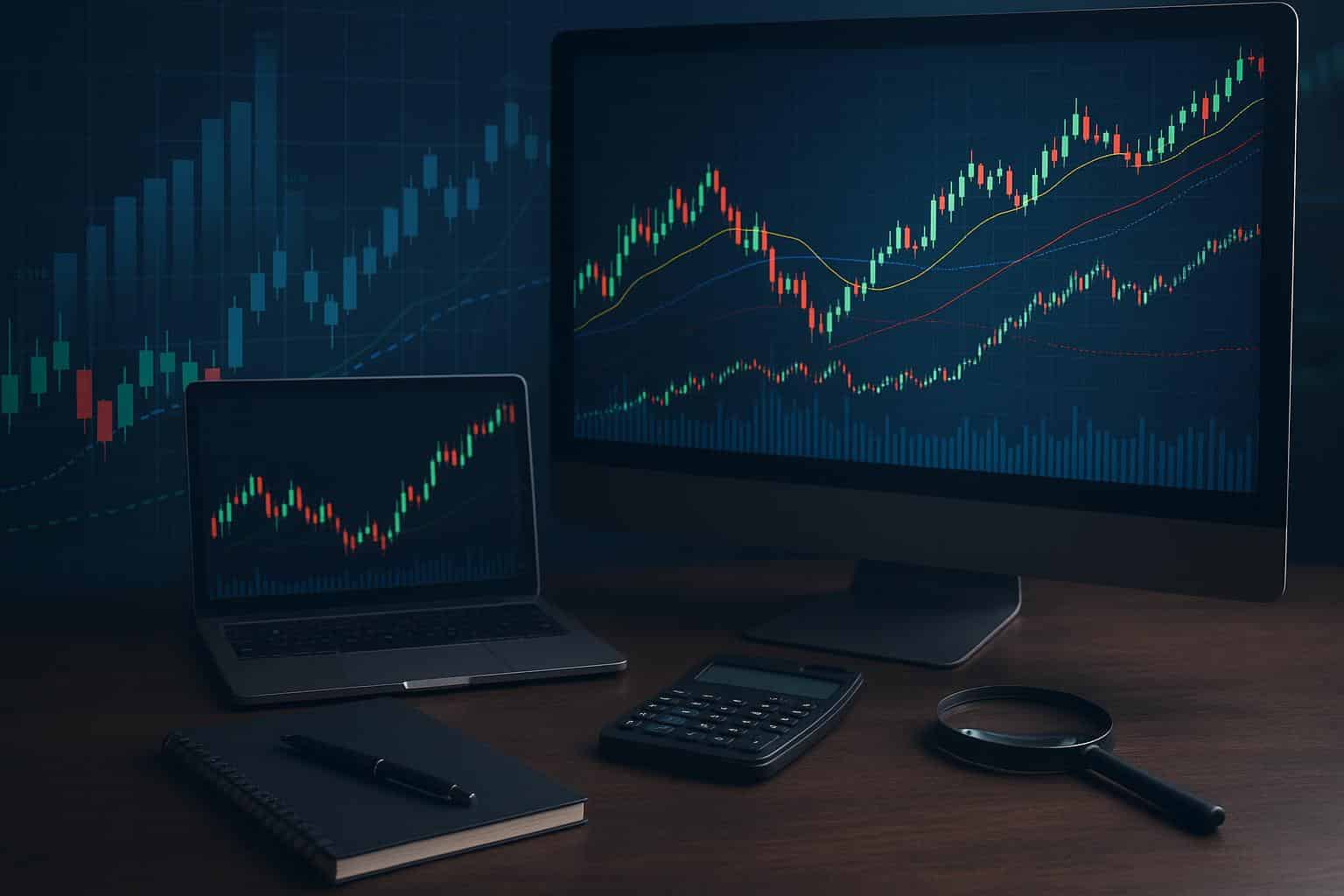
For decades the advice sounded simple: buy a famous company, wait 20 years, ignore the account. The plan worked while one dominant name stayed on top for a generation. Technology moves faster now, and a giant can lose its lead within two years. So what signal do professional investors track instead?
Momentum Now Beats Quality
The answer is momentum, meaning the speed and direction of a price move. Wall Street investors care less about profits and management than the previous generation did. Felix teaches you to read the current price, the last few months of movement, and where capital goes next. Most classrooms still teach the opposite, so the approach feels backward at first. Real pressure appears when too many people crowd one side of a trade.
The Rubber Band Snap-Back
Felix uses a rubber band to explain a crowded position. Stretch the band far one way, tension grows, and the release snaps it back harder than the pull.
The same sequence runs in three stages:
- Positioning measures how many traders wager on a fall against how many expect a rise.
- The breakout happens once a price finally clears a ceiling it could not pass for months.
- Forced buying follows as anyone betting on a fall must repurchase shares, and the fresh demand lifts the quote further.
Any trade carries risk, and you can lose money on any position. So where can someone new begin with less exposure?
Why Index Funds Suit Cautious Learners
Felix often describes index funds as a lower-risk place to learn. A single purchase gives you a small slice of hundreds of companies at once. One weak share then has limited effect on your total, although the whole fund can still fall in value. He repeats the same disclaimer in every session: Felix is not a registered investment adviser, and nobody gets told what to buy or sell. Start with the free material, watch how capital rotates between sectors, and judge the method yourself.
Frequently Asked Questions
What trading strategies does the stock trading course teach?
Teaching centers on momentum and sector rotation, meaning where institutional capital moves next. Screening for potential breakout stocks forms a large part of the course content.
Does the material cover financial markets beyond picking stocks?
Yes. The range of topics includes market structure, liquidity, and how institutional investors operate. Hedging tactics used by market makers appear later in the trading education path.
How is the online stock trading course structured?
The program runs as a 6 to 12 month path with ongoing coaching and support. Pre-recorded modules let each learner move at a comfortable pace, while live daily Zoom lectures are saved for on-demand viewing.
What trading tools support market analysis?
Goat Academy students can use TradeVision.io for stock screening, charting, and technical analysis. The platform assists with reading charts, sorting sectors and industries, and identifying potential breakouts.
Does the analysis course focus on technical or fundamental analysis?
Technical analysis leads: chart reading, breakout identification, and sector screening. The method studies price behavior and market data rather than financial statements or stock valuation.
Who can benefit from learning stock market investing?
Anyone curious about the stock market, from a first-time learner to an active trader. Later modules go deeper into market structure and liquidity for traders of all skill levels.
What does the trading education teach about risk management?
Trading lessons cover stop-loss placement, position sizing, and exit planning before any trade opens. Emotional discipline and a structured plan follow. Any position can lose value, and no method removes risk.
Are there free online courses for stock trading?
Yes. Around 90% of the teaching stays free, including daily market analysis on YouTube, Saturday webinars, and a masterclass. A blog, podcasts, and a compound interest calculator are open to anyone.
Does Felix Prehn act as a financial advisor?
No. Felix is a former investment banker and economist who shares stock market education, never personal investment advice. Goat Academy positions the entire program as teaching, and every student makes independent decisions.

