Simple pleasures: discover the versatility of purple coneflower
Flower & Garden Magazine, July-August, 1998 by Lee Mitchell
Some things in life remain reassuringly simple and extraordinary, like an afternoon chat with a childhood friend, or exploring a starry night with the summer grass tickling your back. And some flowers remain that way: timeless, serene and invaluable.
Purple coneflower (Echinacea purpurea) is a native of the North American prairies and has since spread eastward beyond the Mississippi River. It grows wild along open woodlands and roadsides in the southern states. The wild variety of Echinacea is an endangered plant; however, as a cultivated perennial, purple coneflower is most readily obtained through seed catalogs and local garden centers.
- Most Popular Articles in Home & Garden
- Coolest room on the block: have a bedroom that's way drab and boring? Hang ...
- Reuse, recycle, remodel: environmentally friendly materials and techniques ...
- Keeping it simple: interior designer Michael Lee finds an overdesigned ...
- House of the Year: this craftsman-inspired home is factory-built--proving ...
- Dreaming of cabin life: smart ideas for small spaces, plus the hottest spots ...
- More »
In the flower garden, purple coneflower is a dependable and easy-to-grow perennial. Its bold foliage appears in the early spring and quickly spreads into neat clusters of narrow leaves that extend opposite each other on fuzzy, green-brown stems. The stems shoot upward, and by the onset of summer, the plant has started producing a cone.
The cone continues to grow, and its color intensifies to a deep shade of orange-red, while the purple-pink petals develop striking vertical lines that lend texture against the cone. Most interesting is the way the flower head continues to develop, the cone growing to a tip (reminiscent of a dunce's hat) and the petals drooping lower (reminding one of a long-eared rabbit).
The color combinations between the cone and the petals hit an unusual note, merging and then contrasting at once with perfect balance. The bright colored cones and petals also attract butterflies and a number of other winged visitors. Planning ahead and planting several seedlings in a flowing pattern will result in an incredibly grand display.
LORE AND LEGEND
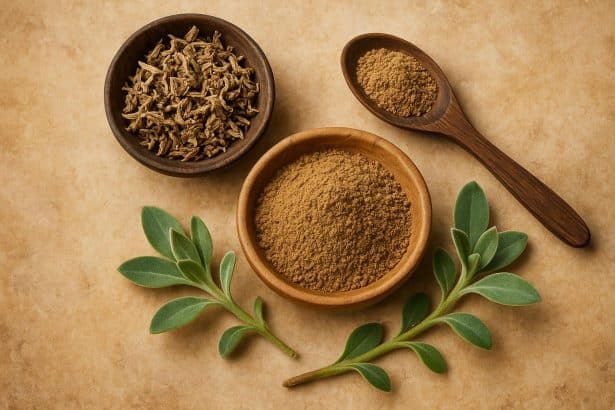
While purple coneflower has been gaining popularity as a ornamental garden plant, its most interesting story comes from its history as an herb. The Plains Indians of North America believed in its extraordinary benefits, using the roots to make a poultice for a number of wounds from insects and snakes to sore gums and colds. During sweat lodge ceremonies, the water used to pour over the burning embers often included soaked Echinacea roots. The resulting steam produced additional cleansing effects during the sweat process.
The Early Plains settlers learned about the benefits of Echinacea, and many folk remedies were developed. In the late 1800s, it was included in a cure-all that was bottled and patented by Dr. H.C.F. Meyer and promoted as Meyer's Blood Purifier. However, the growing field of medical research did not take Dr. Meyer's patented cure-all seriously.
It was only after a family business, Lloyd Brothers Pharmacists, produced its own Echinacea products that it gained widespread popularity in America as a treatment for colds and infections. However, with the advent of modern antibiotics during the 1920s, Echinacea's usefulness as a healing herb declined.
Not so in Europe. While cast off by the majority on its own soil, Echinacea gained recognition overseas. In Germany, studies were devoted to understanding its healing capabilities, which allowed the flower to gain approval from the Kommission E, which is similar to the Federal Drug Administration's approval.
Today, it's widely used in Europe as treatment for a number of ailments ranging from infections and colds to boosting the immune system.
I'm amazed that such a simple flower has a wealth of capabilities from beautiful blooms to extraordinary herbal properties. I don't doubt its usefulness as an ornamental flower or a treatment. One winter, everyone around me was coming down with a nasty cold. Some may call it luck or just be skeptical, but I think the plant gave me a little extra help. In any case, purple coneflower is going to stay in my garden.
GARDENING AS EASY AS 1-2-3
I continue to expand purple coneflower throughout my flower beds using the seedlings that crop up every year. The large, flowing patterns are a recurring theme among the other perennials, shrubs and annuals. There are several reasons why I plant Echinacea: its long-blooming season, its ability to self-seed and provide me with more transplants and its droopy flower heads.
One plant can grow as high as 5 feet, but more than likely it will grow to 3 feet. It also produces several flowers on a number of stems. Frequent cuttings will ensure both indoor flower arrangements and continual blooms outdoors as the plant replenishes itself into the late fall. I have found, however, that without regular fertilizing, the resulting flush of blooms are not as massive or lush as the first summer growth.
Purple coneflower prefers full sun for at least six hours a day, and the plant is fairly drought-tolerant. It thrives best in well-drained, sandy-loam soil but can grow in most other soils. If the flowers' cones are allowed to ripen in late summer, the resulting seeds will fall nearby and produce seedlings that can be transplanted in the spring.
Purple coneflower can be propagated from an established plant in a number of ways. One method is by taking root cuttings in the spring or fall. Another method of propagation is to divide mature clumps during the spring or fall. However, as a general rule, purple coneflower should not be disturbed once established, because it may not readily rebound until the next growing season. Also as previously indicated, the seeds produced by the ripened cones tend to self-seed lightly, which provide small transplants. Or you can gather the seeds yourself and use at another site.