On GameSpot: Wii Fit tells 10-year-old she's fat
Find Articles in:
all
Business
Reference
Technology
News
Sports
Health
Autos
Arts
Home & Garden
advertisement

Content provided in partnership with
Thomson / Gale

Business Services Industry

The fen-phen summer: weight loss brings unexpected results

Communication World,  April-May, 1998  by Shelly Plutowski

While I waded through the 24-page paper, several facts leaped off the page.

* In 1996, physicians wrote more than 18 million prescriptions for a 30-day supply of fen-phen.

* Twenty-four patients with no known heart disease developed valvular problems after taking fen-phen.

* Five of the 24 required surgery to correct the problem.

As I read on, the paper described how a team of physicians, surgeons and allied-health staff from Mayo Clinic and MeritCare Medical Center in Fargo, N.D., had pieced together preliminary evidence linking fen-phen to heart disease:

Most Popular Articles in Business
Research and Markets : Tesco Plc - SWOT Framework Analysis
Do Us a Flavor - Ben & Jerry's Issues a Call for Euphoric New Flavors
eBay made easy: ready to start an eBay business? These 5 simple steps will ...
Katrina's lawsuit surge: a legal battle to force insurers to pay for flood ...
Wal-Mart's newest distribution center opened last month near the southwest ...
More »
advertisement

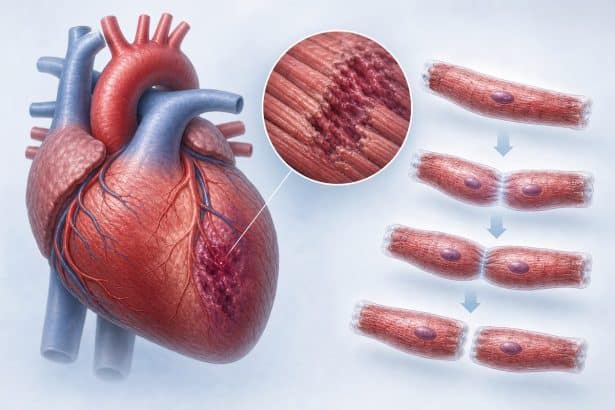
A 41-year-old woman on fen-phen who underwent valve repair surgery at Mayo Clinic had a very unusual glistening white, thickened heart valve. The same woman later developed a second thickened valve with similar characteristics. Another young woman with previously normal heart function was found to have newly documented valvular problems after taking fen-phen. Twelve patients from North Dakota had the same unusual valve disorder - all had been on fen-phen.

Preparing for a Public Response

Unusual event + many people + significant impact = big news, my PR brain calculated. But my initial equation didn't factor in several events that would take place over the next weeks and months that would make this case series even more significant.

First, a New England Journal of Medicine editor called Dr. Connolly with a rare request that was a strong departure from normal journal policy: Would Mayo be willing to make a statement prior to the publication of the report? Perhaps within the next few days? The journal's editorial board had decided the material in the article had public health implications and needed to be reported early.

After careful consideration, Dr. Connolly and the team of authors - Drs. McGoon, Donald Hensrud, Brooks Edwards, William Edwards, Hartzell Schaff and Jack Crary of MeritCare - agreed. But communicating the study results without a formal scientific publication created a new set of challenges for us.

How could we reach physicians with these findings so they could be prepared for patients' questions? How could we get in touch with the proper people at key governmental agencies such as the U.S. Food and Drug Administration (FDA)? How could we provide accurate information and recommendations to concerned patients who were taking these medicines and would look to us for answers?

We found the answers in another act of Mayo teamwork. Representatives from Video Communications, Mayo's health information web site (www.mayohealth.org), Mayo's institutional web site (www.mayo.edu), Visual Information, Patient Education, Communications, Administration, Nursing and Cardiovascular Diseases gathered to strategize and implement a plan that included the following:

* Work with the FDA to use their existing procedures and vehicles for communicating with physicians before any formal media announcement.

* Use the Internet/intranet and electronic media to quickly communicate our findings to staff and the lay public.

* Hold a live news conference via satellite to communicate consistent messages to major media.

* Develop a mechanism to handle e-mail and telephone inquiries from patients with the goal of quelling panic and emphasizing that the findings are preliminary.

Executing the Plan

Tuesday, July 8, was D-day. Our carefully prepared plans were executed, and the response was astounding. That day, we received hundreds of calls from news media throughout the United States and the world, resulting in articles and broadcasts that reached an estimated 200 million people.

On the day after the announcement, more than 6,000 visitors logged on to our external web site, which contained the unedited manuscript and other information for both physicians and patients.

Mayo Health Oasis, an Internet information resource operated by Mayo Medical Ventures, posted several articles about the fen-phen findings and other weight-management issues. Traffic to that site also was at an all-time high.

But the most telling reaction to our statement was - and is - the flood of phone calls and e-mail we've received from frightened patients. Sue Tointon, the cardiovascular nurse designated to respond to the calls, received more than 350 inquiries in the days following the July announcement. That has grown to nearly 1,000 to date.

It's odd. Looking back on the summer that I spent "fen-phening," it isn't the media hoopla and logistical details that I think of. It's the people that our announcement affected, such as the woman who wrote the following in an e-mail note:

"Thank you so much for all that you're doing in the field of medicine."

Of course she wasn't thanking me personally - I had nothing to do with the science of the study. But I do believe that she was expressing appreciation to the collective us who form the face of Mayo Clinic. Because - as I discovered this July - it is truly through all of our efforts that we fulfill our mission of healing the sick and advancing the science.