


Black Hills Corp. and NorthWestern Energy have completed their all-stock merger and begun operating as Bright Horizon Energy, creating a Rapid City, South Dakota-based electric and natural-gas utility serving customers in eight states. The completion moves a transaction announced in 2025 from regulatory review into a new corporate structure led by former NorthWestern chief executive Brian Bird.
The combined company has a reported enterprise value of $15.4 billion and serves 2.2 million electric or natural-gas customers in Arkansas, Colorado, Iowa, Kansas, Montana, Nebraska, South Dakota and Wyoming, according to South Dakota Searchlight’s report on the closing. For customers, the immediate change is principally corporate: Bright Horizon said billing and online account access would not change immediately. The more consequential questions will come through future capital plans and the separate rate cases that utilities bring before state regulators.

Closing follows a 15-month regulatory path
The deal was set in motion on Aug. 18, 2025, when Black Hills, NorthWestern and a Black Hills merger subsidiary entered into their agreement. An SEC-filed Black Hills Form 8-K described an all-stock structure under which NorthWestern would become a direct, wholly owned subsidiary of Black Hills. Each NorthWestern share was to be converted into 0.98 Black Hills shares.
That structure is important in assessing the transaction’s economics. The $15.4 billion figure reported at closing is an enterprise-value measure cited from filings with the South Dakota Public Utilities Commission, rather than a cash purchase price paid to NorthWestern shareholders. The original agreement instead specified the share-exchange formula, leaving the value received by NorthWestern investors dependent on Black Hills’ stock price at closing.
The agreement also anticipated a renamed parent company headquartered in Rapid City, subject to closing. With the transaction completed, Bird has become chief executive of Bright Horizon Energy. Linden Evans, Black Hills’ former chief executive, is retiring, according to the completion report.
South Dakota’s Public Utilities Commission approved the merger on June 24 after a settlement that included conditions intended to separate the corporate combination from customer charges. As reported by Rapid City Post, the settlement extended rate moratoriums, required shareholders to bear merger-related costs, committed the company to a local presence and kept utility operations and rate filings separate.
Montana was the last state regulator identified as necessary for the transaction. Its Public Service Commission approved the merger in a 3-2 vote, reported Nov. 11 by the Bozeman Daily. The subsequent Nov. 16 completion marks the end of that approval sequence: South Dakota acted in June, Montana signed off Nov. 10, and Bright Horizon began operating under its new name less than a week later.
Scale increases, but state oversight remains local
Bright Horizon reported about 4,500 employees, approximately 39,000 miles of electric lines and about 60,000 miles of natural-gas lines. Those figures illustrate why the combination drew detailed state scrutiny. The company will operate across a geographically broad service area, but rates, service obligations and investment recovery remain governed largely through state-specific utility regulation rather than by a single corporate decision.
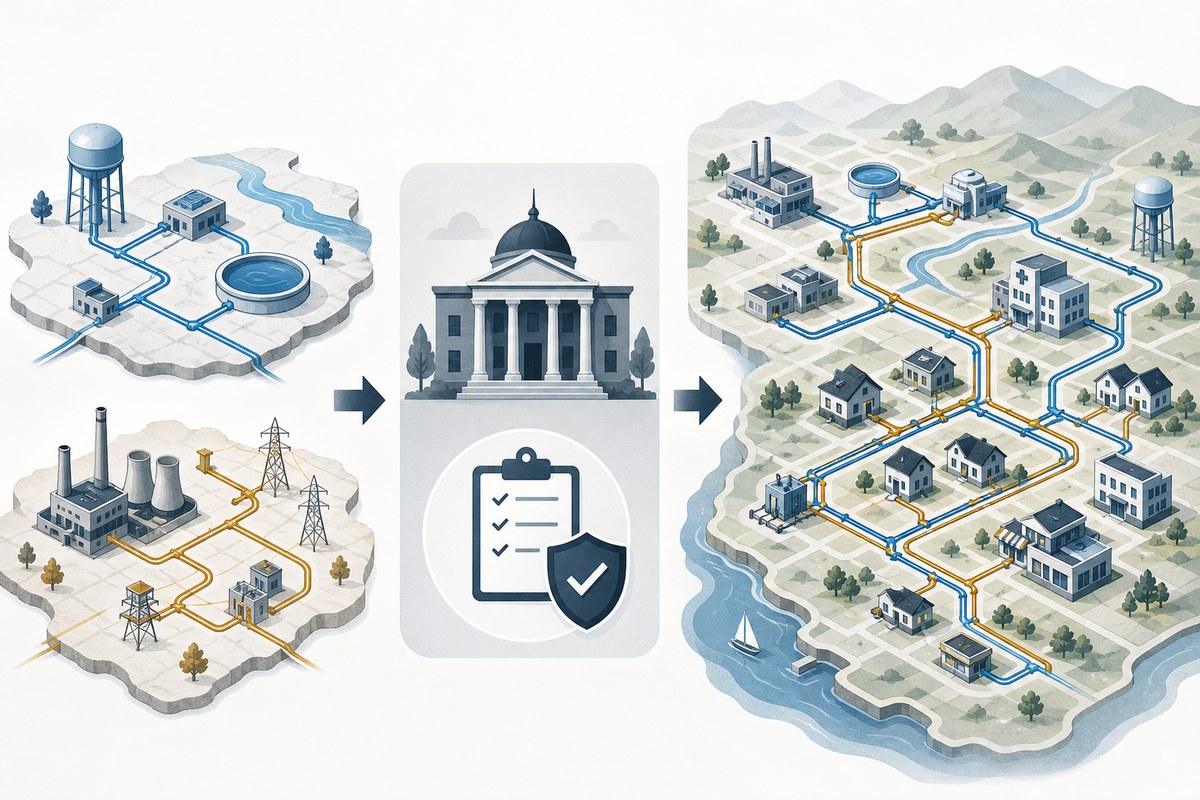
That distinction limits what the merger approvals promise. Montana’s approval order, as described in local reporting, provides that rates will not increase because of the merger and that projected savings are to be passed through to customers. It does not bar future rate requests arising from other costs or investments. A utility can still seek adjustments through its normal regulatory process, where commissions assess proposed spending, financing and customer impacts.
South Dakota’s conditions similarly focus on preventing customers from financing the transaction itself and on maintaining distinct utility operations and filings. For Bright Horizon, the practical test will be whether it can demonstrate merger savings, preserve local operating commitments and finance system investment without folding deal costs into customer rates.
Customer totals and operating names need careful reading
The completed-company customer figure of 2.2 million is slightly higher than the approximately 2.1 million cited in some pre-closing descriptions. The available reports do not explain whether the difference reflects updated counts, rounding or a different method of counting electric and gas accounts. Bright Horizon’s post-closing figure is therefore best read as the company’s current reported scale, not as proof that the merger itself added 100,000 customers.
The new parent name also should not be confused automatically with every utility brand in the field. Bright Horizon Energy is the post-closing corporate name, while Black Hills Energy has been used for utility operations. The merger agreement’s legal effect was to place NorthWestern as a subsidiary within the renamed parent; state-regulated utility entities and their service obligations continue to be addressed through separate proceedings.
For investors, the completed deal consolidates two regional regulated-utility portfolios under one leadership team and a single parent. For customers and commissions, its financial consequences will be measured less by the closing announcement than by the rate filings, infrastructure proposals and savings calculations that follow across the eight-state footprint.

