
Ask anyone who has rented a car in Dubai what annoyed them most and the answer is rarely the car. It is the money held on their credit card, sometimes for weeks after they flew home. That frustration is behind one of the bigger changes in how people rent cars in the city.
A growing number of dealers now let you rent a car in Dubai with no deposit, and those options are easy to compare on a car marketplace like OneClickDrive, which shows listings from many dealers side by side. Before picking one, it helps to understand why deposits exist in the first place and what replaces them.
Why Dubai rentals ask for a deposit at all
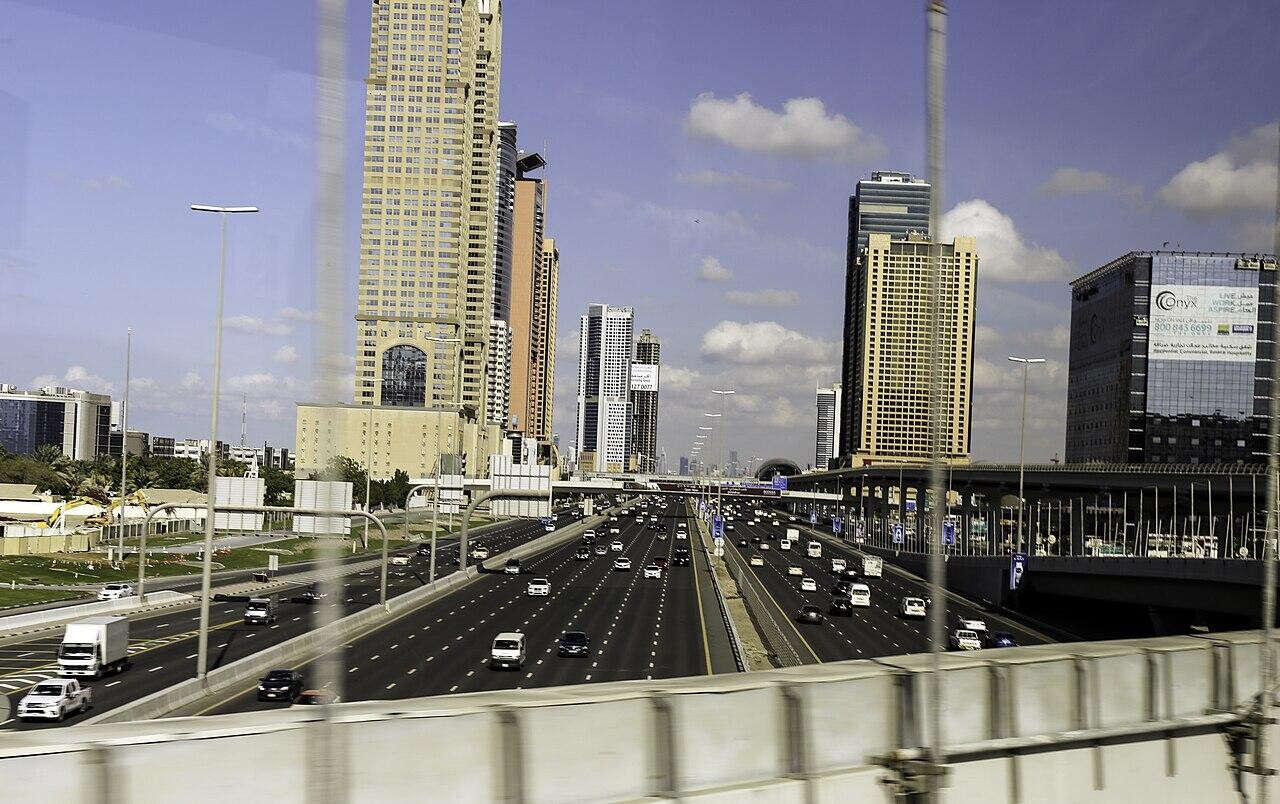
The deposit is only partly about damage, since insurance handles much of that. Mostly it covers charges that arrive after the car is back. Salik, Dubai’s automatic toll system, records every trip through its gates, and Sheikh Zayed Road alone has several. Speed cameras and parking inspectors issue fines against the car’s plate, not the driver’s name. Those charges can take days to reach the dealer.
The refundable hold on your card gives the dealer a way to recover them. Once the waiting period ends and the final statement is clear, the hold is released. The catch for visitors is timing. Banks can take extra days to free up the funds, and by then you may be thousands of kilometres away.
Debit card users feel this most. On a credit card a hold only reduces the available limit, but on a debit card the money can leave your account until the dealer releases it, which is an awkward thing to discover halfway through a holiday.
How no deposit offers usually work
There is no single model, and the details sit with each dealer. In general you will see a few approaches.
- A small non refundable fee in place of the hold, added to the rental price
- A slightly higher daily rate that builds the risk into the price
- Tolls and fines charged to your card as they come in, rather than taken from a hold
- No deposit for selected car categories only, often economy and mid size models
None of these is better or worse by default. A traveller on a short trip with a tight card limit may happily pay a fee to keep the full limit free. Someone who rarely drives on toll roads may prefer the standard hold and a lower rate.
The fine print worth reading
No deposit does not mean no charges. You are still responsible for tolls, fines, fuel and any damage beyond the insurance excess. Before you confirm, look for clear answers on these points.
- Whether a fee replaces the deposit, and if it is refundable
- How tolls and fines are passed on, and whether an admin fee applies to each one
- The insurance excess, which still applies if the car is damaged
- The daily mileage allowance and the charge per extra kilometre
- What documents the dealer needs, since some ask for extra checks when no hold is taken
Get the answers in writing. A WhatsApp message from the dealer is enough, as long as it is specific.
Who benefits most
Short stay visitors are the obvious group. A long weekend in Dubai Marina should not leave a large sum frozen on a card for a month. Travellers using a card with a modest limit also gain, because a hold can eat into the money they need for hotels and meals.
Residents use these offers too. A car in the garage for repairs, a visiting relative who needs wheels for a week, or a new arrival still sorting out bank accounts are all common reasons. In each case the rental is a short gap filler, and tying up cash for it feels out of proportion.
If you are staying for a month or more
Longer stays shift the sums. For people staying several weeks, OneClickDrive monthly car rental deals can bring a lower effective daily rate, and some monthly offers also come without a deposit. Check the monthly mileage cap and how servicing is handled before you sign.
Documents and the handover
The paperwork is the same as any rental. Visitors bring a passport, their home licence and an international permit where their country requires it. Residents bring a UAE licence and Emirates ID. A credit or debit card is usually still needed for payment and for charging tolls later, even with no hold in place.
At handover, walk round the car and photograph every side, the tyres and the glass, then record the fuel and the odometer. With no deposit, those photos are your main protection if a question comes up later about damage.
Do the same at return, ideally with the dealer’s representative standing next to you. Ask them to write back confirming the condition and the fuel level. That single line closes the loop on the most common disputes.
Driving habits that keep the final bill small
The cleanest way to use a no deposit rental is to give the dealer nothing to charge afterwards. Settle each parking session the moment you leave the car, using the RTA app or SMS. Keep within speed limits, which change along the same road and are watched by cameras. Plan the return with enough fuel in the tank.
Ask the dealer to send the closing list of toll and fine charges when it is ready. It is reassuring to see a short list, close the chat and forget about the car. That is the whole point of skipping the deposit in the first place.