


You’ve almost certainly played at two “different” casinos that were quietly the same company. Different name, different colours, a different mascot grinning at you from the homepage — but underneath, the same platform, the same payment rails, the same team processing your withdrawal. That’s not a coincidence. It’s a strategy, and once you see how it works, the whole industry starts to read differently.
So why does one company bother running a dozen casinos instead of pouring everything into one? Three reasons, mostly — and all of them end up affecting you.
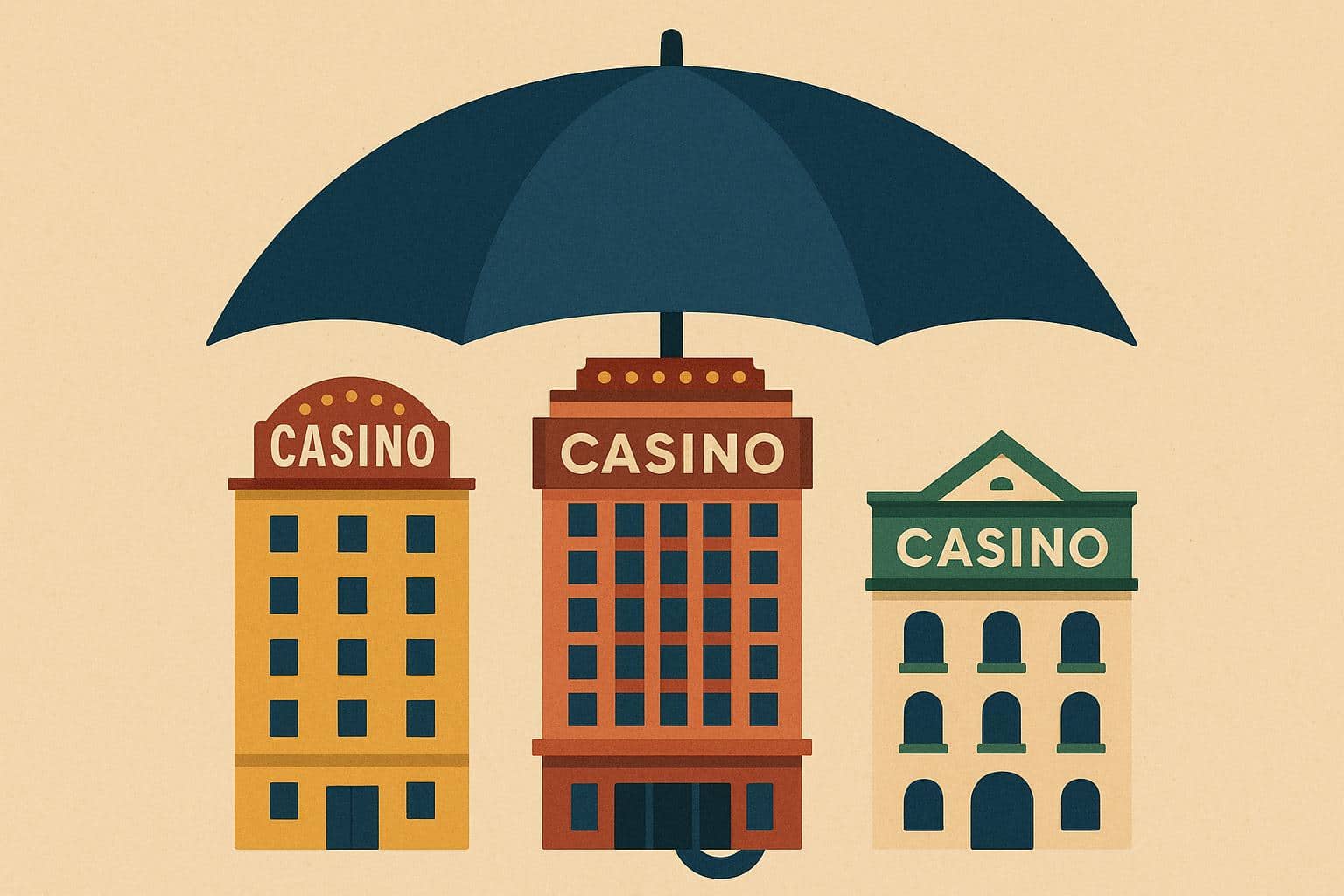
One company, many casinos: what it actually looks like
Start with a concrete case. Granturo Malta Ltd runs six casino brands — Wildz, Caxino, Wheelz, Chipz, Spinz and Tuplaus — all under a single Malta Gaming Authority licence. Six storefronts, one licensed company behind the counter. You can see the whole lineup mapped out in the operator’s full casino list at MrWager.com.
Then there are the big groups. ComeOn Group runs around 15 brands of its own, all on a proprietary platform it built in-house. Same idea, larger scale. Once you know to look for it, you spot the pattern everywhere.
Reason one: every market is different
The biggest driver is geography. Languages differ, currencies differ, the popular payment methods differ — and above all, the rules differ from one country to the next. Rather than force every market through a single site, a group launches a brand tuned to each one. ComeOn Group, for instance, runs localised brands across markets like Sweden, Finland, Denmark, Poland and Ontario. A casino that feels built for your country — your language, your payment options, your regulator — simply works better than a generic one stretched to fit everyone.
Reason two: different players want different things
Even inside one market, players aren’t all the same. One brand goes sleek and premium; another leans fast, loud and playful; a third chases the crypto crowd. A single casino can’t be all of those at once without feeling muddled, so a group spins up distinct personalities and casts a wider net. Same company, different vibes, more players caught.
Reason three: the engine room is shared
Here’s the part that quietly benefits you. Behind those separate-looking brands sits one shared engine — a single platform handling games, payments, accounts and compliance for every site at once. The Rootz platform, for example, powers all six of Granturo Malta Ltd’s brands.
Build that machinery once, and you can launch brand after brand on top of it without reinventing anything. It’s cheaper and faster for the operator — but the upside lands on your side too. The casino that opened last week inherits the same security, the same payout systems, and the same tested infrastructure as the group’s flagship. New name, proven plumbing.
What this means when you play
A few practical takeaways:
More bonuses, not fewer. Each brand runs its own welcome offer, so you can usually claim a fresh package at every sister site in a group. The exception is strictly regulated markets, where tighter rules can cap you at one bonus per player across all of an operator’s brands.
Trust travels. A group with a long, clean payout record backs every brand it owns — so even an unfamiliar new site rides on the reputation built by its siblings.
So does self-exclusion. In regulated markets, a break or self-exclusion often applies across every site the operator runs, and national schemes like the UK’s GAMSTOP or Sweden’s Spelpaus block all licensed brands in one move. Worth knowing if you ever need to step back.
Same rails, same speeds. Because sister sites share a back-end, the payment methods and withdrawal times tend to be near-identical from one brand to the next.
How to spot a sister site
It’s usually hiding in plain sight. Check the footer for the operating company name — if two casinos list the same one, they’re siblings. Identical terms, a matching payment lineup, and that uncanny “haven’t I been here before?” layout are the other giveaways. When two sites feel like twins, one company almost always built both.
Conclusion
One company running a dozen casinos isn’t a gimmick — it’s how the modern industry scales. For you, it means a group’s reputation, security and payout reliability come bundled with every brand under its roof. Learn to see the operator behind the logo, and a dozen “different” casinos resolve into a handful of companies you can actually size up.

