


Imagine paying $10,000 more for a house just because the street address ends in the number 8. It sounds absurd, right? Yet, in Chinese real estate markets, this is a documented reality. A single digit on a front door can skyrocket a property’s market value, while houses with the number 4 struggle to sell.
Why do these digits hold such power over us? Far from being a niche quirk, lucky number belief is a massive, universal phenomenon. It crosses cultures, defies logic, and completely resists modern education.
- The Property Market That Proves the Point
- Why the Brain Assigns Meaning to Numbers
- Lucky Numbers Around the World — The Cultural Specifics
- The Numbers That Power Games of Chance
- Why Education Does Not Erase Lucky Number Belief
- The Neuroscience of Why It Feels True
- What Lucky Numbers Actually Do For People
The Property Market That Proves the Point
Number preferences aren’t just private quirks; they drive real economic markets. Academic research shows that houses in East Asian markets with addresses ending in 8 sell for a distinct price premium.
Meanwhile, the number 4 causes serious anxiety across China, Japan, and South Korea. Because the word for “four” sounds like the word for “death” in these languages, developers regularly skip the 4th, 14th, and 24th floors.
- The Scale: This isn’t a minor trend. The financial impact of number preferences in global real estate runs into billions of dollars.
- The Reality: License plates, phone numbers, and apartment floors with lucky digits routinely spark massive bidding wars.
Does a price premium driven entirely by belief make the value any less real than one driven by square footage?
Why the Brain Assigns Meaning to Numbers
Our brains are basically hardwired to look for patterns. Back in the day, it was how we survived. But today, that same old wiring makes us see meaning in totally random things, like lottery numbers.
Psychologist Ellen Langer actually proved this back in 1975 with what she called the “illusion of control.” She found that if people pick their own lottery numbers, they honestly think they have a better chance of winning than if a machine chooses for them. The odds don’t change at all, but we feel like they do just because we’re involved.
It all boils down to apophenia. That’s just the psychological term for our brain’s bad habit of connecting dots that aren’t actually there.
Lucky Numbers Around the World — The Cultural Specifics
Every culture has its numeric darlings and villains. The reasons usually boil down to language or ancient traditions.
- East Asia: As mentioned, 8 represents prosperity because it sounds like the word for “wealth” or “fortune.”
- The West: In Western nations, 7 reigns supreme. Psychological surveys consistently rank it as the world’s favorite number, a legacy heavily influenced by ancient Pythagorean numerology and religious traditions.
- South Asia: In India, people use numerology to pick lucky dates and numbers for big events, like weddings, new businesses, or buying property.
The Numbers That Power Games of Chance
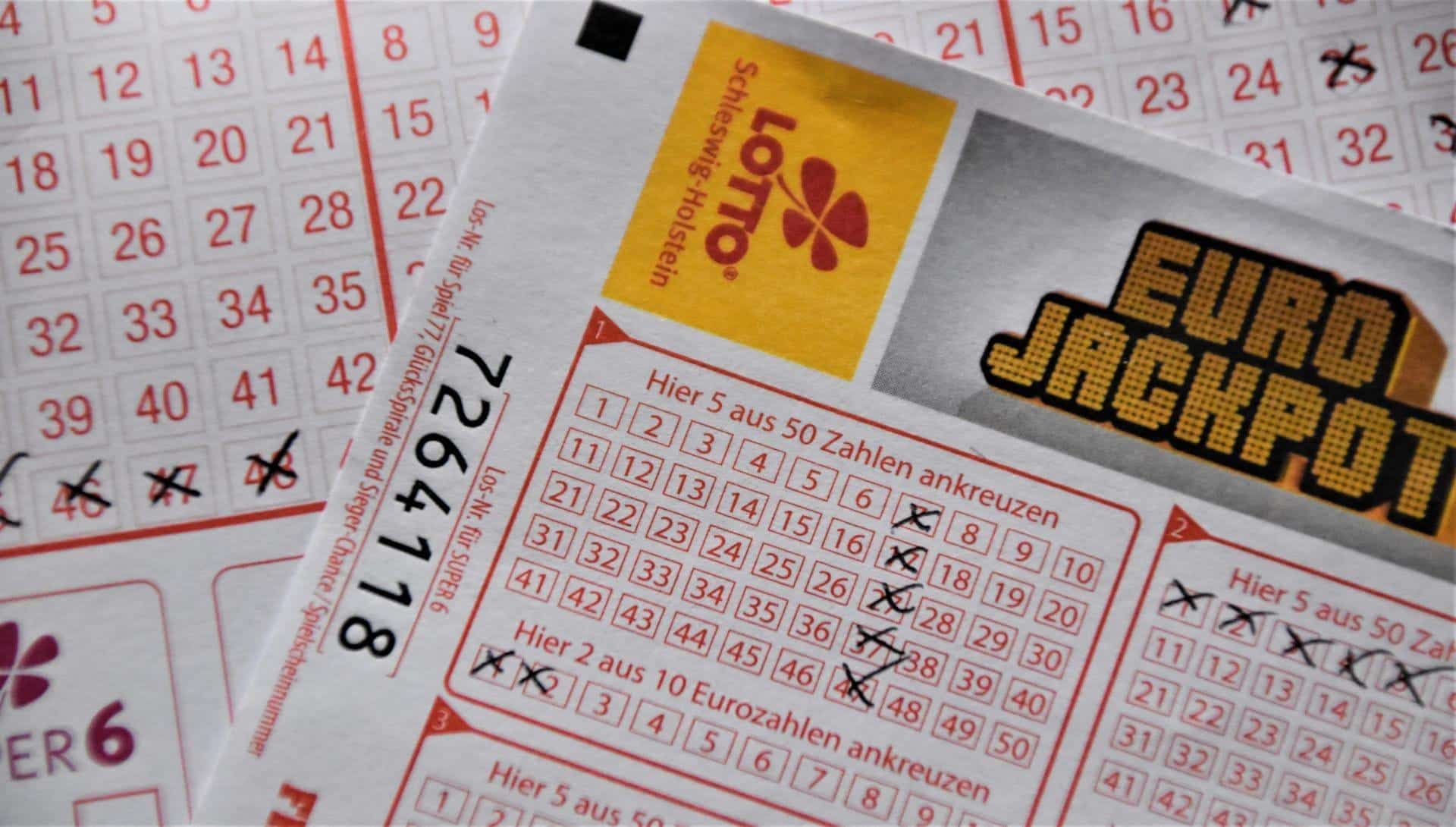
This deep-rooted belief naturally connects to structured games of chance. Across history, communities have built entire traditions around playing specific numbers. Look at fafi in South Africa, policy games in historical US cities, or bolita in Latin America. These aren’t just games; they are long-standing cultural practices.
Unlike modern slot machines, number-based games let people use their personal history. You can use birthdays, anniversaries, or digits from a dream. Today, smartphone apps have brought these traditional systems into the digital age. For the millions of people who still consult their lucky numbers before decisions involving chance, the opportunity to bet on lucky numbers through digital platforms represents a modern channel for a practice with documented cultural roots that predate mobile phones by generations.
Please note: Platforms offering number-based games involve real financial risk regardless of the cultural significance attached to the numbers chosen; support is available at BeGambleAware.org.
Why Education Does Not Erase Lucky Number Belief
You might think that higher education and scientific literacy would wipe out these superstitions. The data says otherwise. Social psychology research shows that lucky number beliefs persist across all income and education levels.
A famous study found that just telling someone they were using a “lucky ball” actually made them play better. That extra bit of belief gives you a burst of confidence, which turns into a self-fulfilling prophecy. If a superstition genuinely helps you perform better, is it really that irrational?
The Neuroscience of Why It Feels True
Our brains give us a literal hit of dopamine whenever we spot a pattern. It’s a quick chemical rush.
Once you latch onto a specific number, confirmation bias kicks in:
- You vividly remember parking in spot #7 and winning a prize.
- You completely forget the fifty times you parked there and nothing happened.
Your brain isn’t broken. It is just doing what it evolved to do, but you only remember the wins.
What Lucky Numbers Actually Do For People
At the end of the day, lucky numbers serve a real human purpose. They act as a built-in stress reliever, lowering cortisol levels during tense moments. They also connect us to our history – using your grandfather’s lucky number bonds you to your family story.
For many, engaging with these numbers is simply a form of personal entertainment, offering a fun, harmless way to interact with the unknown. The psychological literature proves that lucky numbers aren’t just silly wishes. They are a timeless, cross-cultural strategy for handling life’s wild unpredictability.

