


A bar stool can look like one of the easiest purchases in a restaurant buildout. Pick a height, choose a finish, check the price, order enough for the counter or bar, and move on to the bigger problems. That is how many restaurant owners think about it at first.
Then the stools arrive.
- The Cheap Stool Trap Starts With the Wrong Question
- Height Mistakes Create Daily Friction
- Comfort Is Not a Luxury When Guests Stay Longer
- Materials Decide How Long the Purchase Feels New
- Spacing Can Make or Break the Bar Area
- The Foot Rail Is Not a Small Detail
- Style Should Support the Brand, Not Distract From It
- Replacement Planning Is Part of Smart Buying
- Buying Better Starts Before the Order Is Placed
- A Smarter Seat at the Bar
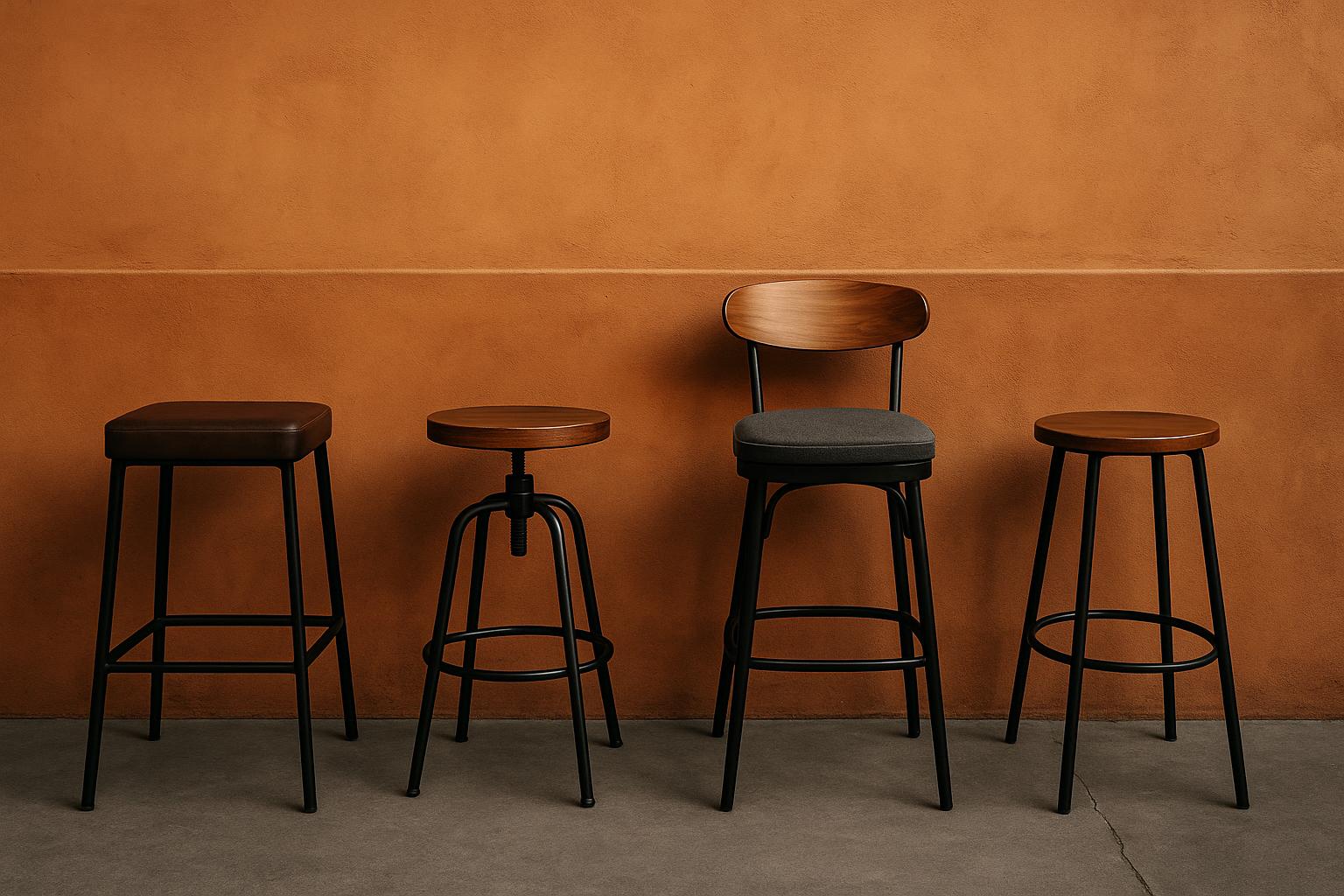
One sits too low. Another feels awkward against the bar overhang. The foot rail starts showing wear faster than expected. Guests complain that the seat is uncomfortable after twenty minutes. Staff struggles to clean around bulky frames. A few stools wobble after heavy use, and suddenly the “simple” purchase becomes a repeat expense.
This pattern happens because bar stools are often treated like décor instead of working equipment. In a restaurant, every stool must withstand constant movement, varying guest sizes, spills, cleaning chemicals, shoes on foot rails, shifting layouts, and long hours of daily use. For owners comparing commercial bar stools, the decision should be based on more than style, because a stool is not just a place to sit. It is part of the guest experience, the traffic pattern, the maintenance routine, and the operating budget.
That matters even more in a restaurant industry projected to reach about $1.55 trillion in U.S. sales in 2026. When competition is that intense, owners cannot afford furniture decisions that look fine on opening day but start costing money six months later.
The Cheap Stool Trap Starts With the Wrong Question
Many owners begin by asking, “How much is each stool?”
That question matters, of course, but it is not the best starting point. The better question is, “How much will this stool cost me over the next three to five years?”
A low price can be misleading when the stool needs early repairs, replacement parts, touch-ups, or full replacement. Restaurant seating lives a harder life than home furniture. Guests pull it, drag it, lean on it, twist in it, place their feet on it, and sometimes treat it like it should survive anything.
The real cost includes:
- How often does the stool need to be replaced
- Whether the finish holds up under commercial use
- How easy it is to clean between rushes
- Whether the frame stays stable over time
- How well it fits the height and shape of the bar
Once those factors enter the conversation, the cheapest stool often stops looking cheap.
A better researched purchase does not always mean buying the most expensive option. It means understanding what the stool has to survive. A small café with a light breakfast crowd has different needs than a sports bar packed every night. A fine-dining bar needs a different comfort level than a quick-service counter. A brewery, diner, hotel bar, and rooftop lounge may all use bar stools, but they should not all buy the same ones.
Height Mistakes Create Daily Friction
One of the most common mistakes is buying stools without carefully matching the seat height to the counter or bar height. It sounds basic, but it happens often because owners focus on style first.
A standard bar height is usually around 42 inches, and many bar stools have a seat height of around 30 inches. Counter height is usually around 36 inches, which often calls for a seat height of 24 to 26 inches. Those few inches can completely change the guest experience.
When a stool is too tall, guests feel cramped. Their knees press too close to the underside of the bar, and the sitting position feels forced. When it is too low, the guest feels like they are reaching upward to eat, drink, or talk. Neither problem looks dramatic in a product photo, but both are obvious in real use.
This is where research saves money. Owners should consider the entire seating zone, not just the stool itself. The bar overhang, foot rail position, seat thickness, swivel function, back height, and spacing between stools all affect comfort.
A good stool should feel natural before the guest notices it. That is the goal. When the stool draws attention for the wrong reason, the design has already failed.
Comfort Is Not a Luxury When Guests Stay Longer
Some restaurant operators don’t care about comfort because they think bar seating is temporary. That’s true in some fast casual venues, but not elsewhere. In many restaurants, the bar is one of the most valuable spaces in the structure. People eat complete meals, wait for tables, watch games, order more beverages, visit with friends, or remain through happy hour.
That visit ends abruptly with uncomfortable stools.
If a seat looks sharp but feels harsh, tight, slippery, or poorly oriented, it will prompt guests to leave sooner. That’s bigger than your mood. It can affect the average ticket size, how often guests come and even how people talk about the restaurant afterward.
Comfort does not equal dense padding. You get it from the perfect seat width, proper contouring, smart back support, good foot positioning, and solid construction. Upholstered bar stools may offer warmth and comfort, but careful choice of materials is key. Wood and metal stools can pair well, but they need the right proportions and finish.
The error is to choose just by the eyes. A stool can look good in a photo, but after 15 minutes, it can start to feel incorrect.
Materials Decide How Long the Purchase Feels New
Restaurant furniture ages in public. Every scratch, chip, stain, loose joint, and worn foot rail becomes part of the room’s appearance. That is why material research matters.
Metal stools are often chosen for strength, clean lines, and durability. Wood stools bring warmth and character, especially in restaurants that want a more classic, rustic, or upscale feeling. Upholstered stools can soften the space and make bar seating feel more inviting. Each option has advantages, but each one also has maintenance realities.
Owners should ask practical questions before ordering:
- Will this finish hide scratches or make them stand out?
- Can the seat handle regular cleaning?
- Is the upholstery commercial grade?
- Are replacement parts available?
- Will the frame work with the restaurant’s flooring?
- Does the style match the rest of the dining room?
The global hospitality furniture market is expected to keep growing through the next several years, partly because hotels, restaurants, resorts, and similar venues need furnishings built for high traffic. That is the key phrase: high traffic. Restaurant owners are not buying for occasional use. They are buying for daily pressure.
Spacing Can Make or Break the Bar Area
A beautiful row of stools can still fail if the spacing is wrong.
Owners sometimes try to fit as many seats as possible along the bar because every seat feels like potential revenue. That thinking makes sense on paper, but guests do not enjoy feeling squeezed. Staff also need enough room to move, serve, clean, and handle busy periods without constant bumping and adjusting.
A good rule of thumb is to allow enough width so guests can sit, turn, and move without knocking elbows. The exact spacing depends on stool width, armrests, swivel movement, and the bar’s layout. Wider stools need more room. Stools with arms need even more. Swivel stools need space to rotate without creating chaos.
Crowding can also make a restaurant look cheaper than intended. People notice when a space feels strained. They may not blame the stools directly, but they feel the discomfort.
Researching dimensions before buying helps owners avoid one of the most frustrating outcomes: receiving the stools, lining them up, and realizing the planned seating count does not actually work.
The Foot Rail Is Not a Small Detail
A foot rail might seem minor, but it plays a major role in comfort and durability. Guests need somewhere natural to rest their feet, especially at bar height. Without a comfortable foot position, even a decent seat can feel awkward.
Foot rails also take a beating. Shoes scrape them constantly. Metal rails can lose finish. Wood rails can show dents. Weak rails can loosen. If the stool is used heavily, this area may show wear faster than almost any other part.
That is why owners should look closely at foot rail construction, placement, and finish. A sturdy foot rail can extend the stool’s useful life and improve the guest experience.
Small details like this separate commercial furniture from furniture that only looks commercial.
Style Should Support the Brand, Not Distract From It
Barstools are highly visible. They often sit near the entrance, along a central counter, or in one of the most social parts of the restaurant. Because of that, they help define the mood.
A modern cocktail bar may need sleek stools with clean lines and upholstered seats. A barbecue restaurant may lean toward wood, metal, or industrial finishes. A diner may need classic shapes that feel familiar and durable. A hotel bar may want a more polished look that encourages longer stays.
The problem starts when owners chase a trend without asking whether it fits the concept. A stool that looks popular online may feel completely wrong in the actual space. Trend-based buying can also date a restaurant faster, especially when the rest of the interior has a different personality.
Good research helps owners choose stools that support the full brand message. The goal is not to make the stool scream for attention. The goal is to make it feel like it belongs.
Replacement Planning Is Part of Smart Buying
No restaurant stool lasts forever. Even strong commercial stools eventually show wear. The smartest owners plan for that before they buy.
Can the same model be reordered later? Are replacement seats available? Can the finish be touched up? Will the supplier still carry matching pieces? Does the design belong to a stable product line, or is it a short term import that may disappear?
These questions matter when one or two stools get damaged. Without replacement planning, owners may be forced to mix mismatched pieces or replace an entire set earlier than expected.
That is where the costly pattern repeats. The first order is rushed. The stools fail or become hard to match. The owner buys another batch quickly. The second batch creates a new set of issues. Money keeps moving, but the problem never really gets solved.
Research interrupts that cycle.
Buying Better Starts Before the Order Is Placed
Restaurant owners do not need to overcomplicate the process. They just need to slow down long enough to ask the right questions before making a purchase.
Before ordering bar stools, owners should review:
- Bar or counter height
- Seat height and seat width
- Frame material and finish
- Foot rail strength and placement
- Upholstery or seat surface durability
- Cleaning requirements
- Guest comfort for the expected visit length
- Spacing between stools
- Replacement options
- Whether the design fits the restaurant concept
This kind of checklist prevents expensive surprises. It also gives owners more confidence when comparing suppliers, prices, and product descriptions.
The best bar stool is not always the one that looks most impressive in a showroom photo. It is the one that keeps working after months of real restaurant use.
A Smarter Seat at the Bar
Restaurant owners who skip research are not just taking a design risk. They are repeating a costly buying pattern that affects comfort, maintenance, layout, brand image, and long-term expenses.
A bar stool may seem small compared to kitchen equipment, lease costs, payroll, or menu development, but guests interact with it directly. They sit on it, move around it, rest their feet on it, and judge the space through it, even if they never say so out loud.
The owners who get this right treat bar stools as part of the restaurant’s operating system. They study height, materials, comfort, spacing, cleaning, durability, and replacement planning before placing the order.
That extra attention pays off. The bar looks better, guests feel better, staff work more easily, and the furniture budget stops bleeding through avoidable mistakes.

