


For operators chasing growth in crowded regulated markets, an online casino api is no longer a nice add-on. It is the backbone of a single API connection that keeps casino content, sportsbook logic, and core operations moving together. When that backbone is clean, launches feel faster and teams stay calmer. Put simply, better plumbing creates better business.
Why Single API Connection Has Moved From Tech Choice To Growth Strategy
The old model asked operators to stitch together too many vendors. One supplier handled games, another handled wallets, and a third owned reporting. That setup looked flexible on paper, yet it often slowed delivery. Every extra handoff created another place for delays, mismatched data, and messy accountability when something broke.
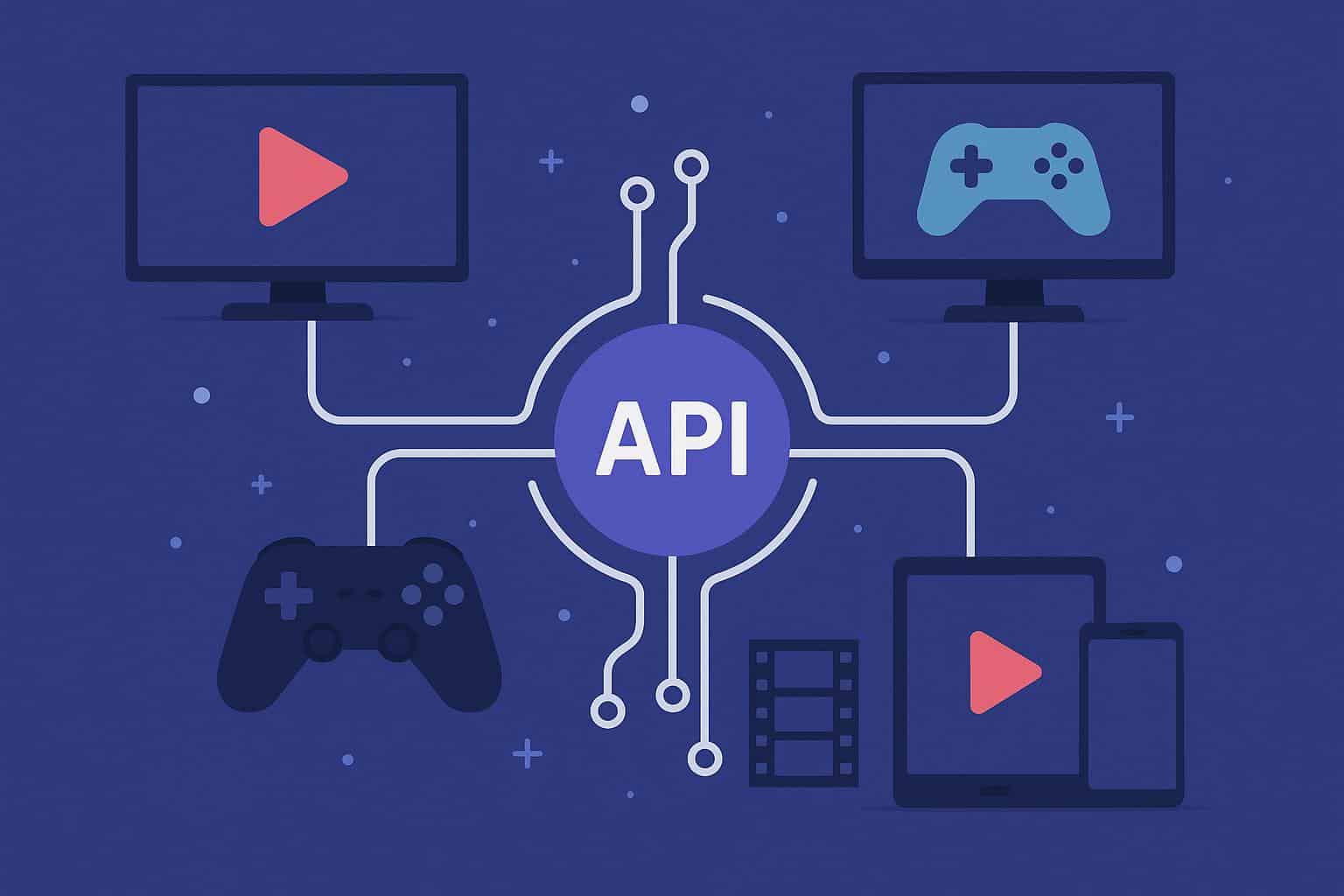
A single API connection changes that rhythm for both casino brands and sportsbooks. Commercial teams get faster launches, while product teams get fewer technical dead ends. It also becomes easier to align promotions, player accounts, and back-office reporting. That kind of consistency rarely makes headlines, though it absolutely protects margins.
There is also a branding angle operators sometimes underestimate. When accounts, content, and payments behave consistently, the product feels more mature. That steadiness supports acquisition campaigns, affiliate relationships, and regional launches with less chaos. It is not flashy work, though it keeps the business from leaking value through avoidable friction.
Game Provider Integration Should Reduce Noise, Not Add More
In this market, content still wins attention, but distribution usually wins time. Strong game provider integration matters because operators need fresh titles, stable delivery, and fewer coordination headaches. Nobody wants three vendor calls before lunch just to solve one lobby issue. A leaner setup gives product teams more room to test, localize, and react quickly.
The best integrations do not overwhelm teams with constant patchwork. They create a clear operating model for updates, launches, and issue handling. That matters when sportsbook owners also run casino content under the same roof. If one side scales smoothly while the other side stalls, the wider business feels it immediately.
Before signing anything, operators should test whether the integration model actually reduces workload. Four questions usually expose the truth faster than any polished sales deck.
- How many moving parts actually disappear?
- Who owns updates, fixes, and monitoring?
- Can reporting stay centralized across products?
- Will new markets require major rewiring?
Those questions sound basic, yet they reveal whether a platform can scale neatly. If the answers stay fuzzy, future expansion gets expensive very quickly. If the answers are clear, internal teams can focus on retention, localization, and growth. That is where game provider integration stops being technical and starts becoming strategic.
Payments And The Deposit And Cashout Experience Still Decide Trust
Payments deserve the same attention as content, because trust can vanish in seconds. NuxGame’s take on igaming payment solutions points in a practical direction: operators grow faster when payment logic feels nearly invisible to players. The strongest systems support local habits without turning operations into chaos. That balance is harder to achieve than many teams expect.
A smooth deposit and cashout experience does more than reduce support tickets. It tells players your platform is serious, responsive, and worth returning to tomorrow. Friction, on the other hand, creates doubt at the worst possible moment. You can spend heavily on acquisition, then lose that investment during one clumsy payment step.
Sportsbook owners feel this pressure just as much as casino operators do. Live betting compresses patience, while casino play raises expectations around instant deposits and withdrawals. When funds move cleanly and predictably, the whole product feels modern. When they do not, even a strong brand starts to look stitched together.
Good payment design is never only about speed. It is also about clarity, consistency, and fewer awkward edge cases. Players notice when limits, timing, or approval steps feel confusing. Operators notice when those weak spots become repeated complaints, higher churn, and internal firefighting that drags teams away from growth.
What Smart Operators Should Check Before They Commit
So what should decision-makers really prioritize before the next launch or migration? First, they need architecture that removes repeated work across departments. Second, they need reporting that tells one story across casino, sportsbook, payments, and CRM. Finally, they need support structures that solve issues without finger-pointing between vendors.
They also need room to grow without rebuilding the house every quarter. A modular setup should support new content, new regions, and new payment flows without drama. That is why the single API connection conversation matters now, not later. It is less about convenience and far more about staying operationally sharp.
Vendor relationships matter here, too, and not just the technology. Operators need partners who understand launch pressure, market deadlines, and commercial reality. That means fewer vague promises and more operational discipline. In practice, the best setup is usually the one that makes your team feel less busy, not more impressed.
Conclusion: Smooth Infrastructure Wins
For FindArticles readers following gambling technology, the real story is not complexity. It is how the best operators make complexity disappear behind a cleaner product. They launch faster, troubleshoot less, and keep more attention on commercial growth. That is exactly why infrastructure has become a board-level conversation, not just a technical one.
A strong platform should feel boring in the best possible way. It should let your team focus on brand, retention, and market fit. That is the practical promise behind a single API connection, and it is why smart operators keep moving that direction. In this business, smooth beats complicated almost every time.

