


Rethinking the Modern Workplace
For decades, office design has been about efficiency and capacity. Offices were designed to house as many personnel as possible in a given space, with little attention for comfort or human factors. But this approach has slowly started to evolve as businesses are seeing the quantifiable effect of the physical environment on performance, health and long-term production.
The design of workspaces nowadays is increasingly informed by interdisciplinary research encompassing ergonomics, environmental psychology, and occupational health. The office is no longer seen as a passive space but as an active element that influences how people work.
- Rethinking the Modern Workplace
- Ergonomics and Biomechanics in Workspace Design
- Environmental Factors and Cognitive Performance
- Spatial Configuration and Workflow Efficiency
- Integration of Technology in Workstations
- Material Selection and Long-Term Sustainability
- Economic and Organizational Impact
- Final Thoughts
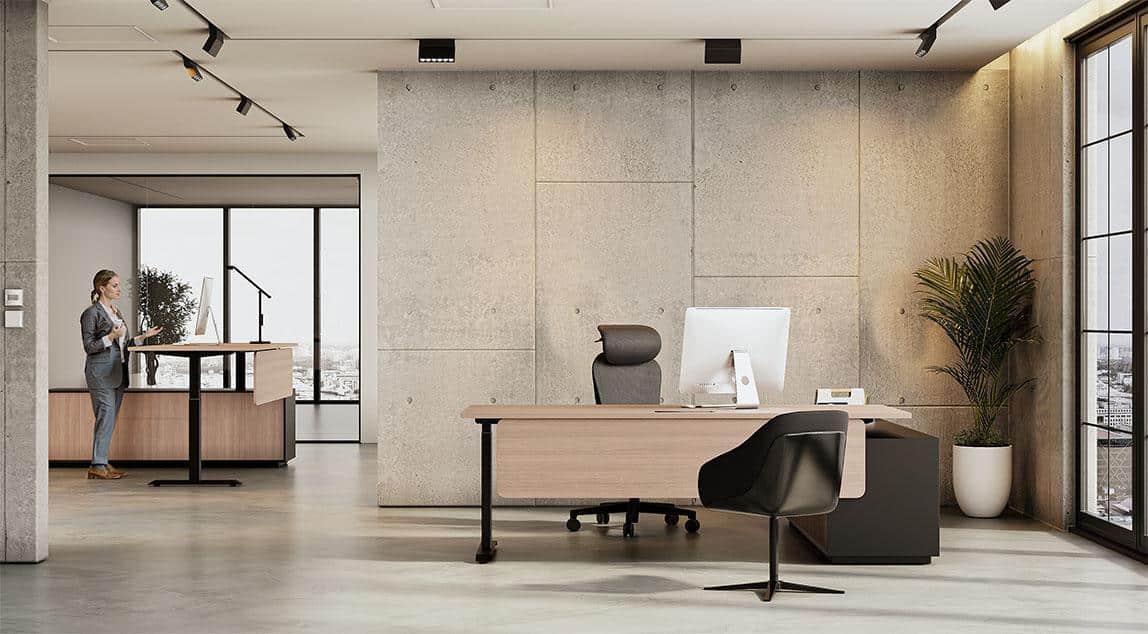
In the quick and highly competitive business environments such as the UAE, firms are taking a deeper look at how workspace infrastructure supports day-to-day operations. This typically involves partnering with professional providers such as Urban 411 office furniture in Dubai and Abu Dhabi, where practical workplace solutions are combined with ergonomic principles and operational effectiveness.
Ergonomics and Biomechanics in Workspace Design
Understanding Human Centered Design
Ergonomics is about creating the work environment to fit the user, not the user to fit the work environment. From a biomechanical standpoint, prolonged static postures (especially sitting) can cause severe stress on the spine, muscles and joints.
Key ergonomic considerations include:
- Neutral posture alignment: Maintaining the natural curvature of the spine
- Seat height and depth: Ensuring feet are flat on the ground and thighs are supported
- Desk height optimization: Allowing forearms to remain parallel to the floor
- Monitor positioning: Keeping screens at eye level to reduce neck strain
Failure to address these factors can lead to musculoskeletal disorders (MSDs), which are among the most common workplace-related health issues globally.
Dynamic Workstations and Movement
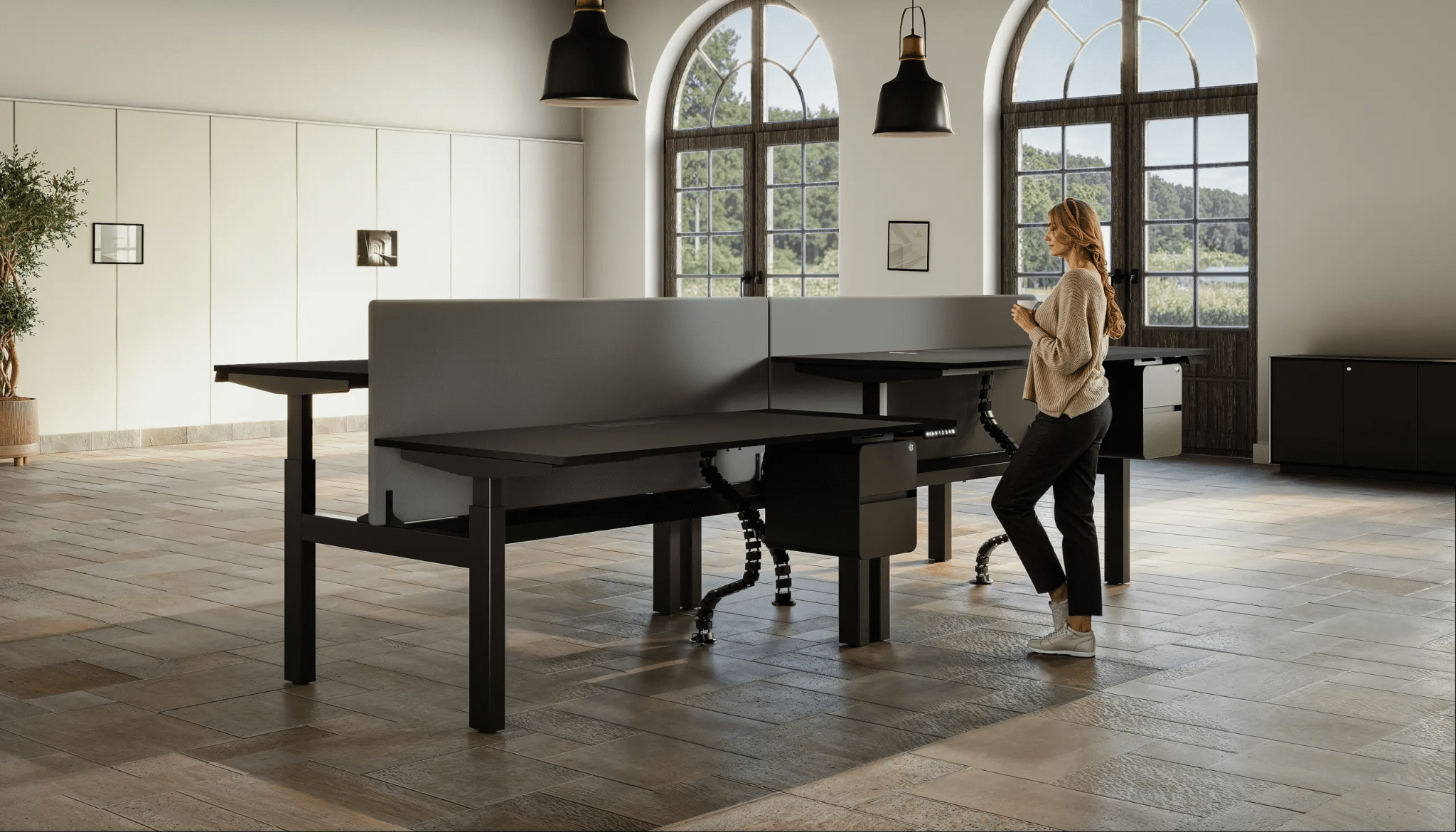
Modern ergonomic strategies emphasize movement rather than static positioning. Height-adjustable desks, for example, enable users to alternate between sitting and standing, reducing prolonged load on specific muscle groups.
Research indicates that incorporating movement into the workday can:
- Improve blood circulation
- Reduce fatigue and discomfort
- Enhance overall energy levels
The benefits underline the need to design workstations for dynamic use as opposed to fixed settings.
Environmental Factors and Cognitive Performance
Lighting, Acoustics, and Air Quality
Workspace design extends beyond furniture to include environmental conditions that influence cognitive performance.
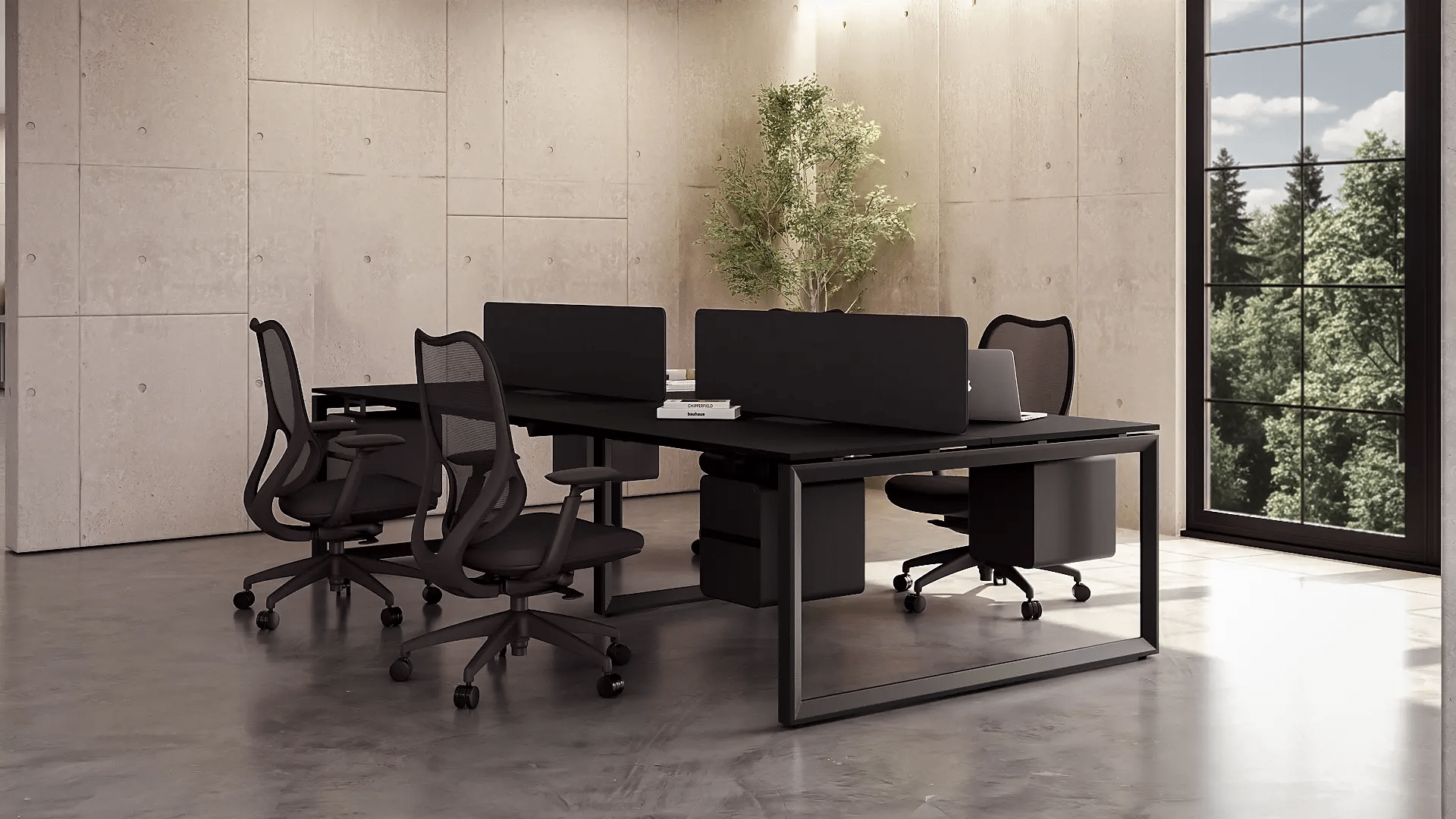
- Lighting: Exposure to natural light has been linked to improved mood, alertness, and sleep regulation. Poor lighting, particularly glare or insufficient illumination, can cause eye strain and reduce productivity.
- Acoustics: Noise levels in open offices can significantly impact concentration. Acoustic design solutions, such as partitions or sound-absorbing materials, help mitigate distractions.
- Air Quality: Proper ventilation and air circulation contribute to cognitive clarity and reduce fatigue.
These elements collectively shape the sensory experience of a workspace, directly affecting how individuals perform tasks.
Spatial Configuration and Workflow Efficiency
The Balance Between Collaboration and Focus
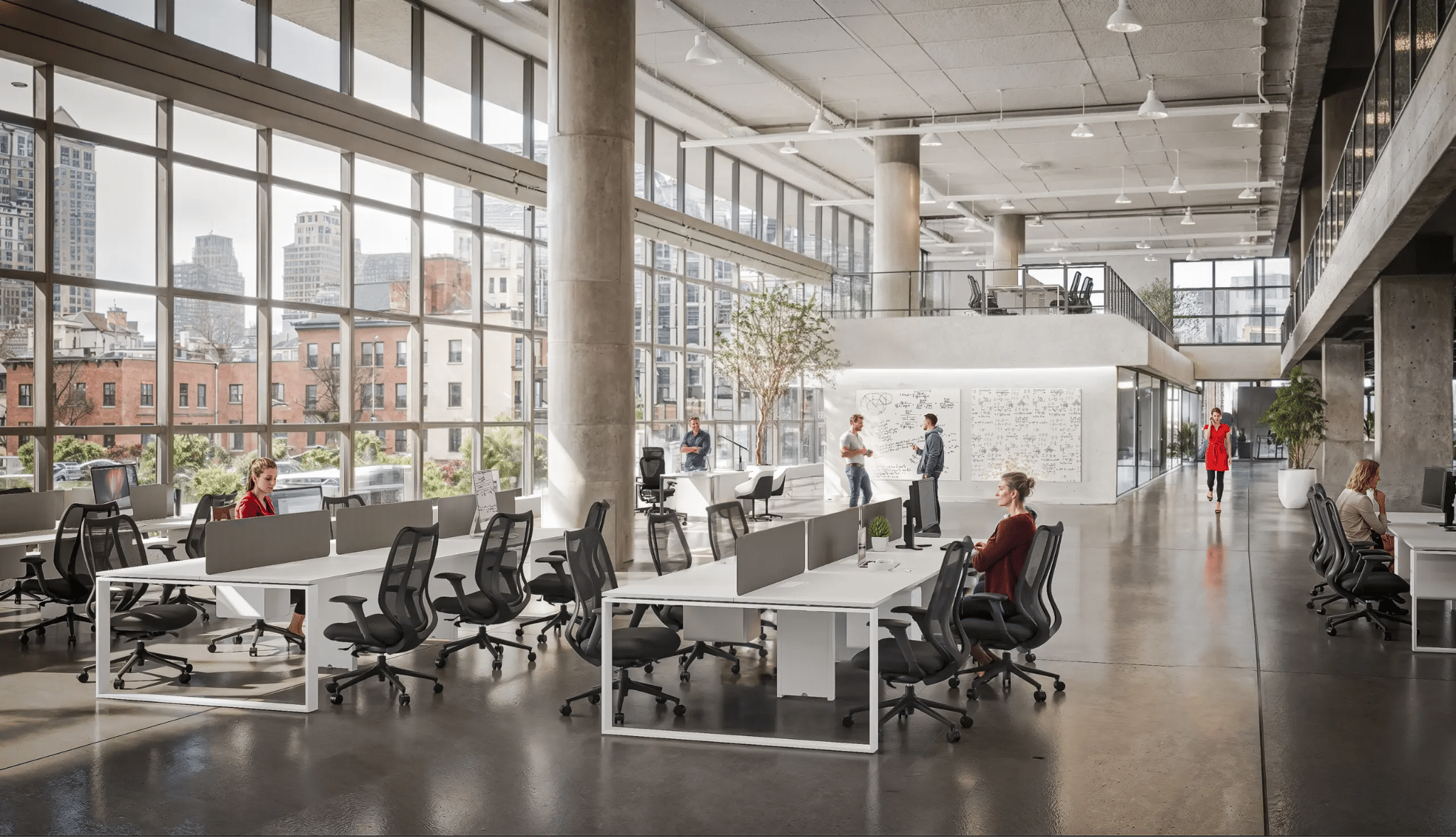
Office layouts have evolved from rigid cubicle systems to more flexible configurations. However, achieving the right balance between collaboration and focus remains a key challenge.
Effective spatial design typically incorporates:
- Open zones for teamwork and communication
- Private areas for focused or confidential tasks
- Transitional spaces that support informal interactions
This zoning approach allows employees to select environments that align with their immediate tasks, improving both efficiency and satisfaction.
Circulation and Accessibility
Another important aspect of workspace planning is circulation—the way people move through the space. Poorly planned layouts can create bottlenecks and disrupt workflow.
Optimized layouts consider:
- Clear pathways between workstations
- Logical placement of shared resources
- Accessibility for all users
These factors contribute to smoother operations and reduced time loss.
Integration of Technology in Workstations
Supporting Digital Workflows
As workplaces become increasingly digital, the integration of technology into physical environments is essential. A well designed workstation should accommodate multiple devices without creating clutter or inefficiency.
Key features of modern workstations include:
- Cable management systems to maintain organized setups
- Power integration for seamless device connectivity
- Multi-screen compatibility for data-intensive tasks
These elements ensure that technology enhances productivity rather than becoming a source of disruption.
Future Trends: Smart Workstations
Emerging technologies are beginning to influence workspace design. Smart desks with memory settings, occupancy sensors, and adaptive lighting systems are examples of how automation can improve user experience.
While still developing, these innovations suggest a future where workspaces respond dynamically to individual needs.
Material Selection and Long-Term Sustainability
Durability and Lifecycle Considerations
Workspace design also involves selecting materials that can withstand daily use while maintaining performance over time. Durable materials reduce the need for frequent replacements, contributing to cost efficiency and environmental sustainability.
Modular Design Systems
Modular furniture systems allow organizations to adapt their layouts without significant structural changes. This flexibility is particularly valuable in rapidly changing business environments, where team sizes and workflows may evolve.
Economic and Organizational Impact
Workspace as a Strategic Asset
Investing in workspace design is increasingly seen as a strategic decision rather than a purely operational one. A well-designed environment can contribute to:
- Higher employee engagement
- Reduced absenteeism due to physical discomfort
- Improved overall productivity
These outcomes demonstrate that workspace design has both direct and indirect economic benefits.
Final Thoughts
There is an increasing number of research and real-world applications that support the relationship between office design, productivity and wellbeing. Ergonomics, environmental factors, spatial layout and technological integration all play a role in how people work, with elements such as thoughtfully designed office chairs contributing directly to comfort and long-term health.
As firms adjust to the changing nature of work, the focus is now more on spaces that promote not only productivity but also human comfort. Often, this means practical implementation by experienced vendors who understand how to transform design concepts into functioning workspaces, including the careful selection of office furniture that supports posture and flexibility, echoing a larger drive toward more responsive and adaptable office environments.

