


The UAE construction landscape is continuously evolving, driven by new laws, stricter compliance requirements, and an increasing emphasis on transparency. Recent reforms — such as Dubai’s Law No. 7 of 2025 — are reshaping contractor operations by introducing unified frameworks and stricter oversight to improve quality, accountability, and industry standards.
Adapting to these changes requires more than mere awareness. Contractors must stay informed about licensing requirements, permits, and safety regulations while ensuring their teams meet certification and compliance standards. With mandatory registration and classification systems coming into effect, firms must carefully align their operations to remain competitive.
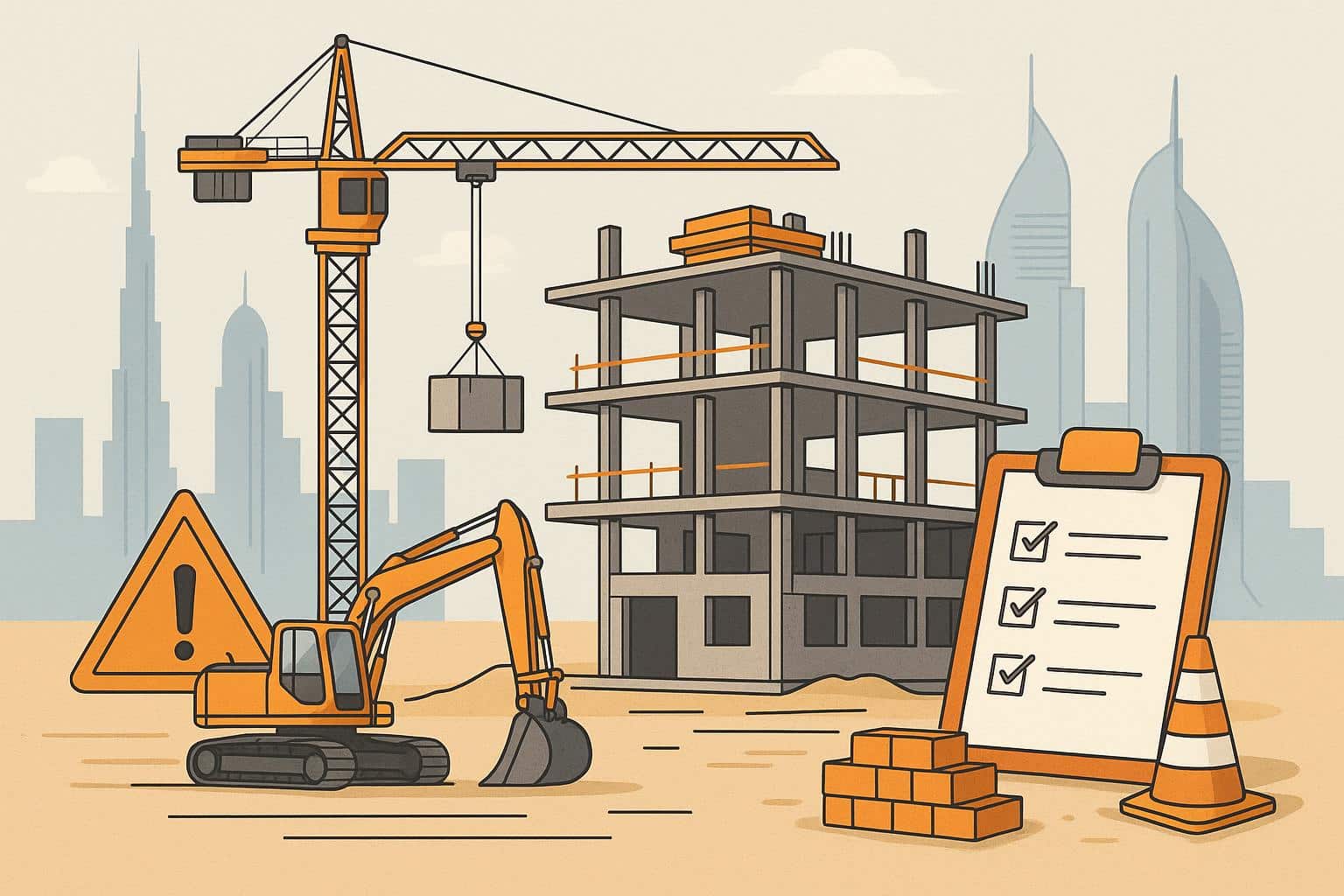
Digital transformation plays a key role in this shift, as ERP solutions for contractors help companies track compliance, manage documentation, and align project execution with regulatory requirements. Centralized systems make it easier to maintain accurate records and respond quickly to audits or inspections.
Success in this environment depends on agility. Contractors who invest in training, adopt structured processes, and embrace new technologies are better positioned to meet evolving regulations without disrupting their projects. In a rapidly modernizing market, compliance is becoming a strategic advantage.
Evolving Regulatory Landscape in the UAE Construction Sector
The UAE construction sector is undergoing rapid regulatory transformation, driven by government initiatives to improve safety, sustainability, transparency, and industry standards. Contractors today operate within a complex framework of federal laws, local municipality regulations, and international best practices, all of which continue to evolve in response to economic growth and global trends.
This evolving landscape is particularly evident in major hubs like Dubai, where new legislation such as Dubai Law No. 7 of 2025 introduces a more structured and unified system for regulating contracting activities. The law establishes centralized oversight, mandatory contractor registration, and classification systems based on technical and financial capacity—significantly raising the bar for compliance and professionalism .
Key Drivers of Regulatory Change
Several factors are shaping the direction of construction regulations across the UAE. These changes are not isolated—they are part of a broader strategy to modernize the sector and align it with global standards.
- Increased focus on safety and risk management. Regulations such as the Fire and Life Safety Code require strict compliance in design and construction, with mandatory approvals before work begins.
- Sustainability and environmental goals. New policies promote green building practices, energy efficiency, and reduced carbon impact in line with the UAE’s net-zero ambitions.
- Digital transformation of regulatory processes. Centralized digital platforms and contractor registries are being introduced to improve transparency and streamline approvals.
- Standardization and industry professionalization. Classification systems and competency requirements ensure that contractors meet defined technical and operational standards.
- Stronger enforcement and penalties. Non-compliance can lead to fines, licence suspension, or project delays, increasing the importance of regulatory adherence.
Practical Compliance Steps for Contractors
Adapting to evolving construction regulations in the UAE requires more than awareness—it demands structured, practical actions embedded into preconstruction planning and daily operations. Contractors must align licensing, documentation, staffing, and project execution with regulatory requirements across multiple authorities.
Compliance is not a one-time activity. It is an ongoing process that begins before project initiation and continues through execution, inspection, and project closeout. Failing to follow the correct steps can result in delays, fines, or even project suspension.
Step-by-Step Compliance Framework
To operate effectively within the UAE’s regulatory environment, contractors should follow a clear compliance framework that aligns with official approval processes and legal requirements:
- Secure proper licensing and classification. Contractors must obtain trade licences and register with authorities such as municipalities. Classification must match project scale and type to legally execute work
- Engage licensed consultants and engineers. Hiring qualified, registered professionals is mandatory, and engineers must meet certification and experience requirements set by authorities.
- Follow structured approval processes. Projects must pass through defined stages including design submissions, structural approvals, and permits before construction begins.
- Obtain required permits and NOCs. Approvals from utilities, civil defense, and other authorities are essential before site mobilization.
Ensure compliance with labor, safety, and insurance laws. Contractors must meet UAE labor law obligations and maintain required insurance such as liability and decennial insurance.
Strengthening Internal Compliance Systems
Beyond external approvals, contractors must build internal systems to manage compliance efficiently. Regulatory changes in the UAE increasingly require companies to demonstrate ongoing monitoring and accountability.
Practical internal steps include:
- Establishing dedicated compliance teams
- Conducting regular audits of licensing and project documentation
- Maintaining accurate and updated records for inspections
- Training staff on regulatory requirements and updates
- Implementing digital systems for document control and reporting
Recent regulatory guidance emphasizes the importance of internal compliance structures, staff training, and proper record-keeping to meet new standards and avoid penalties
Managing Multi-Authority Requirements
One of the biggest challenges in the UAE is coordinating compliance across multiple government entities. Contractors must align requirements from:
- Municipal authorities (permits, building codes)
- Labor and immigration departments
- Tax authorities (VAT and corporate tax)
- Utility providers and civil defense
Each authority has its own processes and documentation standards, making coordination critical. Construction companies must ensure that all approvals remain valid and synchronized throughout the project lifecycle
Embedding Compliance into Preconstruction Planning
The most effective contractors integrate compliance into preconstruction rather than treating it as a separate task. Early planning allows teams to anticipate regulatory requirements and avoid costly delays.
Key actions during preconstruction include:
- Verifying contractor classification against project scope
- Scheduling time for approvals and inspections
- Incorporating regulatory requirements into design and procurement
- Identifying compliance risks early
This proactive approach reduces rework, prevents permit issues, and ensures smoother project execution.
Leveraging Digital Tools for Better Compliance
Digital tools are playing a central role in helping UAE contractors manage increasingly complex regulatory requirements. As compliance processes become more detailed and documentation-heavy, manual systems are no longer sufficient. Contractors are turning to digital platforms, automation, and integrated systems to ensure accuracy, transparency, and efficiency.
Digital transformation in construction compliance enables companies to streamline approvals, maintain accurate records, and respond quickly to regulatory changes. It also reduces the risk of human error, which is a common cause of non-compliance and project delays.
Key Digital Tools Supporting Compliance
Modern construction firms in the UAE are adopting a range of technologies to manage compliance across the project lifecycle. These tools centralize information and improve coordination between stakeholders.
- Document management systems. Centralized platforms store permits, drawings, contracts, and compliance records, ensuring easy access during audits and inspections.
- Construction management software. Integrated systems track project progress, approvals, and compliance checkpoints in real time.
- Cloud-based collaboration platforms. These tools enable teams, consultants, and authorities to work with up-to-date information, reducing miscommunication.
- Automated workflows and approval tracking. Digital workflows ensure that approvals, inspections, and submissions follow the correct sequence without delays.
- Mobile applications for site compliance. On-site teams can capture data, upload reports, and complete checklists in real time, improving accuracy and speed.
Conclusion
The UAE construction industry is entering a new era defined by stricter regulations, digital oversight, and higher professional standards. For contractors, adapting to these changes is no longer optional—it is essential for maintaining operational continuity, avoiding penalties, and remaining competitive in a rapidly evolving market.
Recent reforms, such as Dubai’s unified contractor registration and classification system, highlight a broader shift toward standardization, transparency, and accountability across the sector . These changes are designed not only to regulate the industry but also to improve quality, attract investment, and align construction practices with global benchmarks.

