


A workplace injury can create financial stress within days. Medical expenses begin to grow, lost wages make it difficult to cover household bills, and uncertainty about the future adds even more pressure. When an insurance company denies your workers’ compensation claim, the situation becomes even more challenging. Fortunately, a denial does not always mean your case is over. An experienced Myrtle Beach Workers’ Compensation Denial Attorney can review the circumstances of your claim, identify why it was rejected, and help you pursue the benefits you deserve through the proper legal process.
Many injured employees assume the insurance company’s decision is final, but workers’ compensation laws provide opportunities to challenge denied claims. Understanding your legal rights and responding quickly can make a significant difference in the outcome of your case.
- Why Workers’ Compensation Claims Are Often Rejected
- Common Reasons Employees Receive Denial Notices
- Understanding Your Right to Challenge a Denial
- The Evidence That Can Strengthen Your Appeal
- How an Experienced Attorney Improves Your Chances of Approval
- Benefits You May Still Recover After a Successful Appeal
- Mistakes That Can Hurt Your Workers’ Compensation Appeal
- Workers’ Compensation Appeal Timeline
- Conclusion
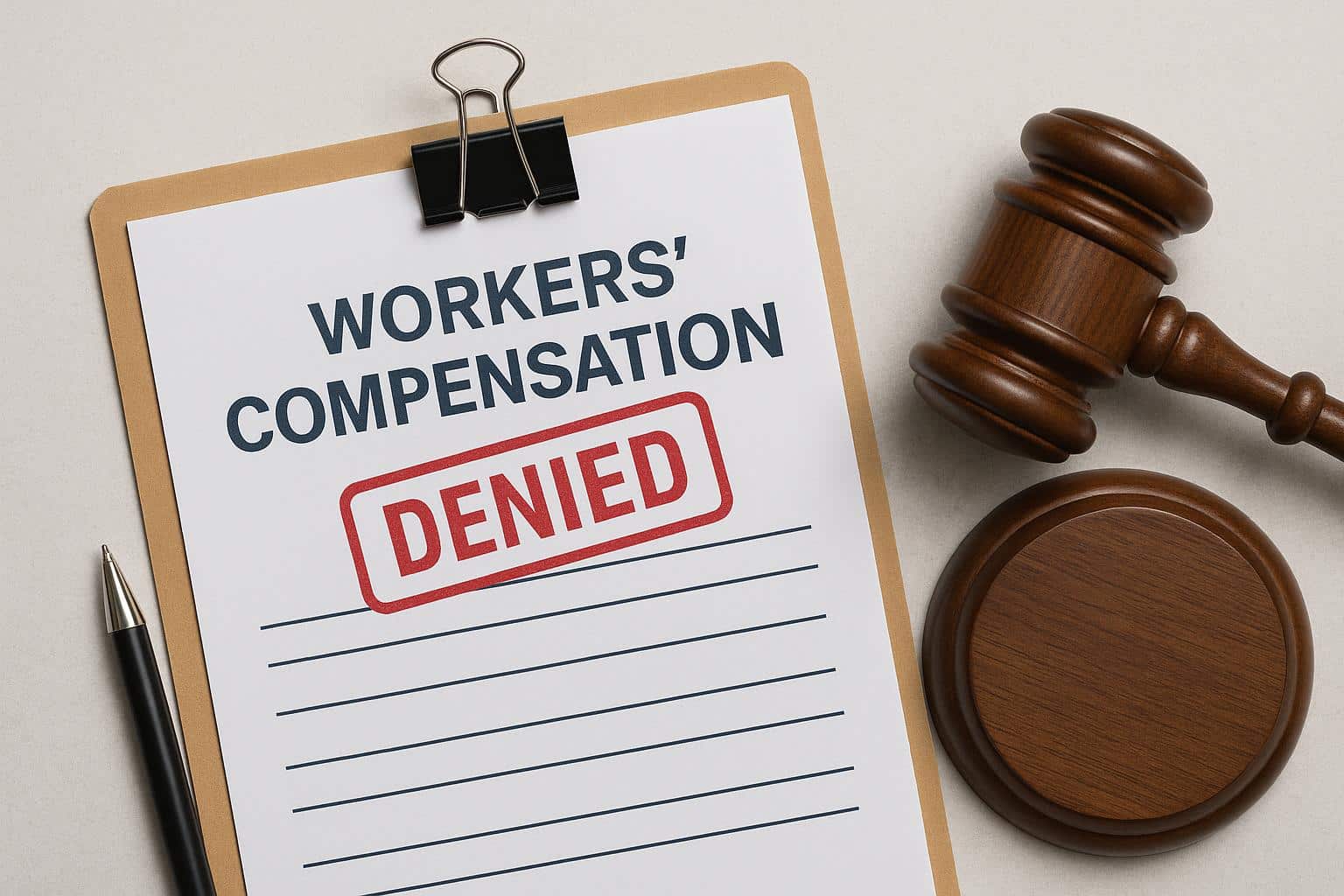
Why Workers’ Compensation Claims Are Often Rejected
Insurance companies carefully review every claim before approving benefits. Even legitimate workplace injuries may be denied because of missing paperwork, conflicting medical evidence, or disagreements over how the injury occurred. Knowing the reason behind a denial is the first step toward building a stronger appeal.
Some denials result from administrative mistakes, while others involve more complex legal disputes. Employers or insurers may argue that the injury happened outside of work, that a pre-existing condition caused the medical problem, or that insufficient evidence supports the claim. In many cases, these issues can be addressed with additional documentation and legal representation.
Common Reasons Employees Receive Denial Notices
Every workers’ compensation claim is unique, but several issues appear repeatedly in denied cases. Insurance carriers often rely on these factors when deciding whether to approve or reject benefits.
Late reporting is one of the most common problems. Waiting too long to notify an employer about an injury can create doubts about how and when the accident occurred. Missing medical records, incomplete accident reports, or inconsistent witness statements may also weaken a claim.
Another frequent issue involves disputes over medical treatment. Insurance companies sometimes argue that the injury is unrelated to workplace duties or claim that medical care was unnecessary. Employees with previous injuries may also face additional scrutiny if insurers believe an earlier condition contributed to the current disability.
Understanding Your Right to Challenge a Denial
Receiving a denial letter should never discourage an injured worker from seeking justice. South Carolina’s workers’ compensation system allows employees to request a review of denied claims and present additional evidence supporting their case.
The appeals process gives injured workers the opportunity to explain disputed facts, submit updated medical evaluations, and correct paperwork errors that may have affected the original decision. Many successful claims are approved during the appeal stage after stronger documentation becomes available.
Legal representation is especially valuable during this process because procedural mistakes or missed deadlines can reduce the likelihood of success. An attorney understands the legal requirements involved in appealing denied claims and can prepare evidence that strengthens the case before a hearing.
The Evidence That Can Strengthen Your Appeal
Winning an appeal often depends on presenting reliable evidence that clearly connects the injury to workplace activities. Insurance companies rarely reverse a denial without convincing documentation, making preparation one of the most important parts of the process.
Medical records remain the foundation of most successful appeals. Detailed physician reports, diagnostic imaging, treatment plans, and specialist evaluations help establish the seriousness of the injury. Accident reports prepared shortly after the incident, photographs of the workplace, surveillance footage, and witness statements can provide additional support when liability is disputed.
Employment records may also become valuable evidence. Time sheets, job descriptions, safety reports, and communication between the employee and employer can demonstrate that the injury occurred while performing normal work duties. The stronger and more organized the evidence, the greater the opportunity to obtain workers’ compensation benefits through an appeal.
How an Experienced Attorney Improves Your Chances of Approval
Handling a workers’ compensation appeal without legal guidance can be difficult because insurance companies often have experienced adjusters and defense attorneys protecting their interests. A skilled lawyer understands how South Carolina’s workers’ compensation system works and knows what evidence appeals commissioners expect to see.
An attorney investigates the accident, collects missing medical records, interviews witnesses, consults vocational and medical experts when necessary, and prepares persuasive legal arguments. They also represent injured workers during hearings, negotiate with insurance companies, and work toward securing medical benefits, wage replacement, disability compensation, and future treatment expenses whenever available.
Benefits You May Still Recover After a Successful Appeal
Many injured employees believe a denied claim means they will never receive compensation. In reality, a successful appeal may restore several important benefits depending on the severity of the injury and applicable state law.
You may recover:
- Payment of current and future medical expenses.
- Temporary total disability (TTD) wage benefits.
- Temporary partial disability (TPD) compensation.
- Permanent partial disability (PPD) benefits.
- Permanent total disability (PTD) benefits.
- Mileage reimbursement for approved medical travel.
- Rehabilitation and vocational training when returning to work is not possible.
Mistakes That Can Hurt Your Workers’ Compensation Appeal
Even strong cases can become weaker if avoidable mistakes occur during the appeal process. Insurance companies frequently use inconsistencies to challenge injured workers’ credibility.
Avoid these common mistakes:
- Missing important filing deadlines.
- Ignoring doctor’s treatment recommendations.
- Giving inconsistent statements about the accident.
- Posting injury-related information on social media.
- Returning to physically demanding work before medical clearance.
- Failing to attend scheduled medical appointments.
- Accepting an insurance settlement without legal review.
Workers’ Compensation Appeal Timeline
| Stage | What Happens |
|---|---|
| Claim Denial | Insurance company issues a written denial notice. |
| Case Review | Attorney evaluates evidence and identifies weaknesses. |
| Appeal Filed | Formal appeal is submitted within required deadlines. |
| Evidence Collection | Medical records, witness statements, and expert opinions are gathered. |
| Hearing | Both sides present evidence before the Workers’ Compensation Commission. |
| Decision | Commissioner issues a ruling based on available evidence. |
| Further Appeal | Additional review may be available if necessary. |
Conclusion
A denied workers’ compensation claim should never be viewed as the final outcome. Many injured employees successfully obtain benefits after presenting stronger medical evidence, correcting filing errors, and following the proper appeals process. Acting quickly protects your legal rights and improves your opportunity to recover lost wages, medical expenses, and disability benefits.
Working with an experienced Myrtle Beach Workers’ Compensation Denial Attorney provides valuable legal guidance throughout every stage of the appeal. From investigating the facts to presenting compelling evidence before the Workers’ Compensation Commission, experienced representation can make a meaningful difference in the final result.

