


As global mobility continues to accelerate, the international migrant population has reached approximately 304 million people. Southeast Asia, in particular, has emerged as a premier destination for corporate assignees, remote workers, and retirees. With foreign direct investment pouring into the region, cities like Bangkok currently serve as regional bases for over 500 multinational companies. This influx has shifted the regional relocation trend away from short-term border runs and toward structured, long-term residency.
The Logistical Realities of Corporate Relocation
Moving across the world involves more than just booking a flight and finding a new office. For HR departments and business leaders, the initial stress and logistical hurdles of moving an executive or an entire family overseas can be immense. Before addressing legal compliance, companies must focus on the human element of global mobility. There are numerous strategies for making employee relocations more comfortable, such as providing comprehensive corporate housing assistance and hands-on support for finding international schools. Ensuring a smooth transition helps professionals settle into their new environments faster, reducing the risk of a failed assignment. Once the emotional and practical foundations are in place, the next critical step is tackling immigration compliance.
Evolving Visa and Health Coverage Mandates
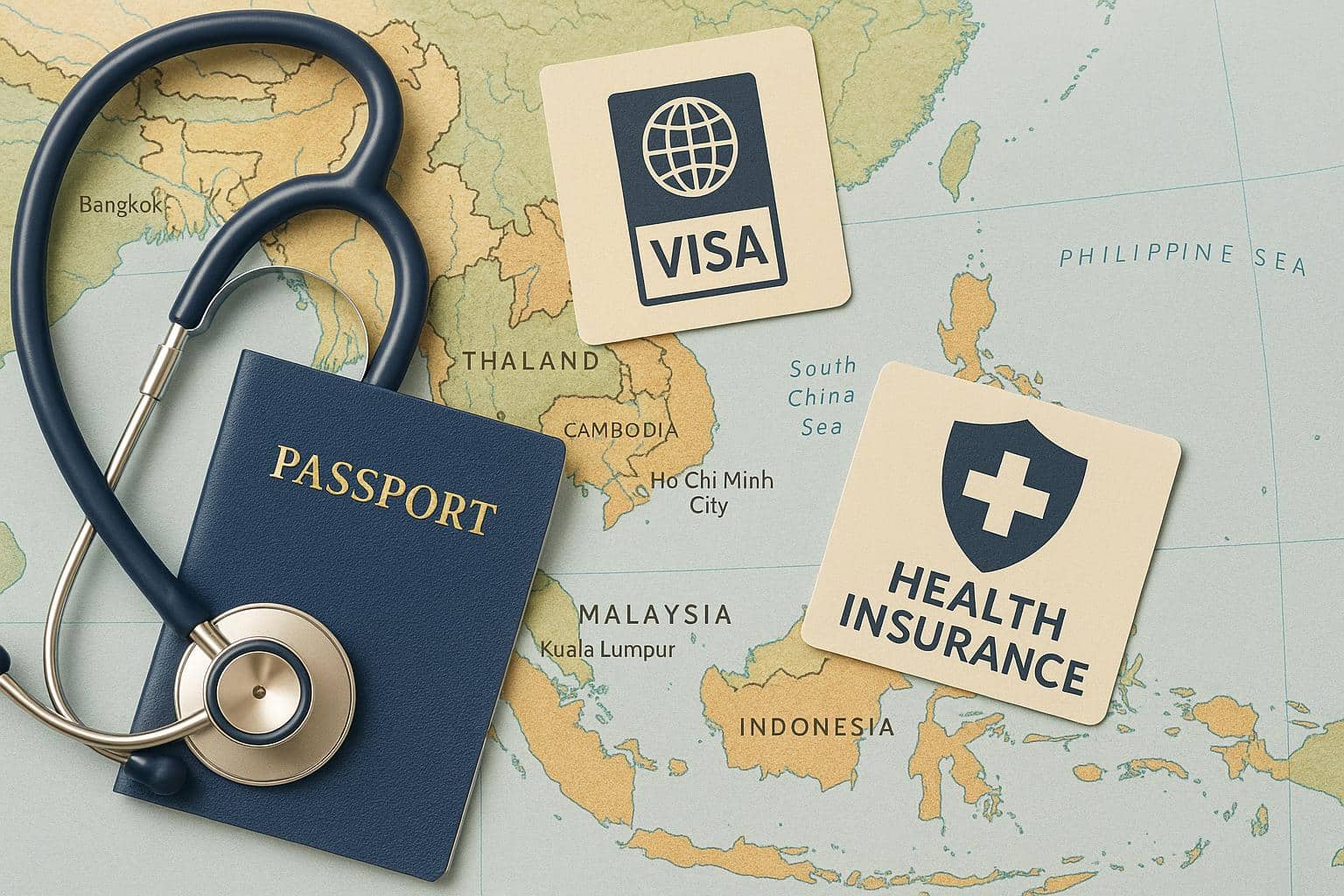
Southeast Asian governments have responded to the influx of foreign talent by designing comprehensive five-to-ten-year visas. However, these long-stay programmes come with strict financial and medical compliance requirements. Expatriate access to heavily subsidised public hospital rates is increasingly restricted across the region, meaning foreign residents must rely on robust private medical policies to avoid financial strain.
In Thailand, the government has set very specific financial benchmarks for healthcare. Meeting these immigration standards requires careful planning early in the relocation process. Anyone applying for a long term resident visa Thailand must ensure their selected policy is recognised by local authorities and explicitly covers the required duration of their stay. Failing to provide this proof of compliance can result in immediate application rejection or complications upon entry.
Other nations follow similar protocols. Indonesia's newly expanded Golden Visa and remote-worker schemes explicitly mandate proof of comprehensive health insurance, as foreign professionals are generally excluded from the national public health system. Malaysia has similarly revamped its tier-based visa programmes, strictly requiring active medical policies for younger applicants. According to official Board of Investment documentation for various Southeast Asian nations, applicants across multiple professional and pensioner categories must often be insured under a health insurance covering a minimum of USD 50,000 to qualify for extended residency programmes.
The Financial Risks of Underinsurance
While securing coverage is a legal necessity for visas, it is also a vital financial safeguard. The Asia Pacific region is currently experiencing some of the highest healthcare cost increases globally. The 2026 WTW Global Medical Trends Survey projects a regional medical inflation rate of 14 percent, which significantly outpaces the projected global average. This rapid inflation is driven by the adoption of new medical technologies, expensive pharmaceutical advancements, and increased demand for private care among ageing populations.
Without adequate coverage, the out-of-pocket financial risks are substantial. Uninsured emergency procedures can devastate a family's savings in a matter of days. For instance, a complex medical evacuation from a remote Indonesian island to a major medical hub like Singapore can cost anywhere between $50,000 and $150,000. To combat these rising costs, the 2026 Aon Global Medical Trend Rates Report notes that regional employers are increasingly prioritising preventive care and wellness programmes as primary cost-containment strategies for their relocated workforce.
Key Steps for Expat Compliance and Safety
To navigate the complexities of Southeast Asian immigration and healthcare, expats and their employers should adopt a proactive approach. Following a structured checklist ensures that both legal requirements and personal health needs are met without unexpected hurdles.
- Verify exact visa requirements: Always check the latest immigration portals to confirm the specific monetary thresholds required for your destination country before submitting paperwork.
- Choose a locally accepted provider: Ensure your insurance company is recognised by the local government, as some nations reject offshore policies that do not partner with domestic medical networks.
- Account for medical inflation: Select policies with benefit limits that can withstand the region's 14 percent medical inflation rate, ensuring you are not underinsured a few years into your posting.
- Prioritise emergency evacuation: If you are moving to a developing or remote area, verify that your policy includes full international medical evacuation to world-class medical facilities.
Understanding the intersection of immigration law and private healthcare is essential for a successful international move. By treating health coverage as a core pillar of the relocation process, expatriates can enjoy the professional and lifestyle benefits of Southeast Asia with complete peace of mind.

