


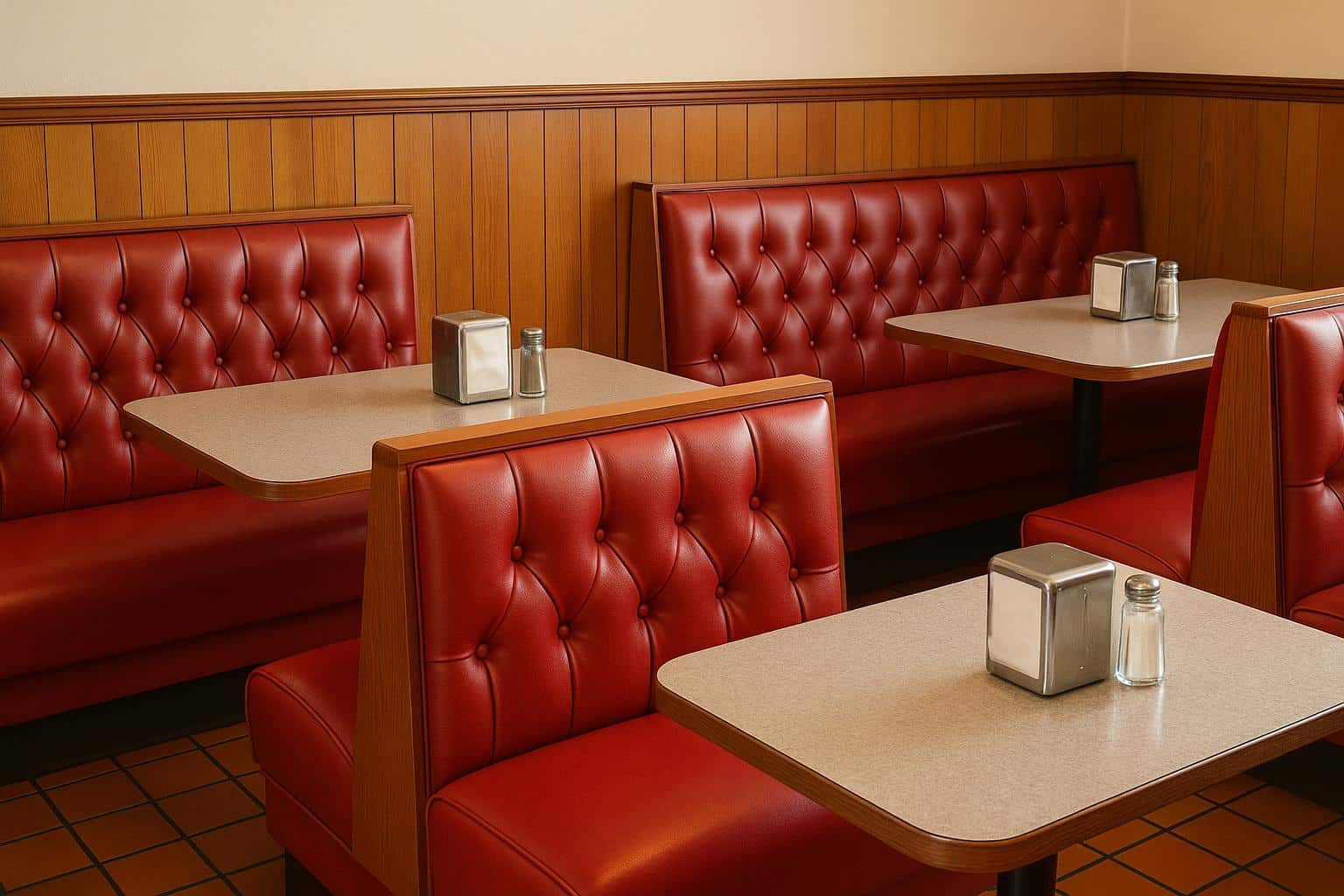
For a while there, the booth looked like a relic. Open-concept dining rooms took over, all exposed brick and long communal tables and rows of identical chairs, and the humble booth got shoved aside as something your grandparents’ diner had. Then something shifted. Guests started asking for booths again, hostesses started hearing “can we get a booth?” at the door, and owners noticed the booth sections filling first every single night. The booth is back, and both sides of the table want it. Operators riding that wave are investing in modern restaurant booths that keep the nostalgic comfort while fixing everything that made the old ones a pain to own.
This isn’t just nostalgia, though nostalgia plays a part. The booth is coming back because it solves real problems for guests and for the businesses that seat them. Understanding why it fell out of favor, and why it returned, tells you a lot about where dining rooms are headed.
Why the Booth Fell Out of Fashion
The open-concept era wanted flexibility above all. Loose chairs and modular tables let a room reconfigure for events, communal seating felt trendy and social, and designers loved the clean, uncluttered look of an open floor. Booths seemed heavy, fixed, and old-fashioned by comparison, so a whole generation of restaurants skipped them.
The problem was that open concepts traded away comfort and privacy for looks and flexibility. Rooms got louder, guests felt exposed, and the long communal table that seemed cool in a magazine felt awkward when you actually had to sit at one with strangers. The trend peaked, guests grew tired of it, and the pendulum started swinging back toward the intimacy the booth always offered.
What Guests Missed
Ask a guest why they want a booth and the answer is almost always some version of comfort and privacy. A booth gives you a defined space, a soft seat, a high back that blocks the room, and a sense that your table belongs to you for the evening. After years of perching on hard chairs in loud open rooms, guests remembered how good that felt.
Families missed booths most. A bench contains kids, spills wipe up in one pass, and a family of four fits a single unit without dragging chairs around. Couples missed the intimacy, the way a booth folds a date into its own little corner. The booth quietly delivered exactly the experience the open-concept room had taken away, and guests voted with their seating requests.
Why Owners Came Around
Owners returned to booths for reasons guests never see. The big one is capacity. A booth pushes seating to the perimeter and along dividers, reclaiming floor that loose tables waste on circulation. In a world of rising rents, squeezing more covers into the same square footage without cramming is a serious advantage, and booths do exactly that.
The economics run deeper than capacity, though. Booths tend to hold guests longer, and longer dwell time often means bigger checks in a full-service room. When operators run the numbers on seats per square foot against the checks those seats produce, the booth’s return on investment starts looking a lot better than a floor of loose chairs. The furniture that felt dated turned out to be the smarter buy.
The Modern Booth Fixed the Old Complaints
The booths coming back aren’t the cracked vinyl benches of the old diner. Modern commercial booths solved the problems that made the originals a headache. Cushions use durable, wipeable materials that clean fast and resist the spills that ruined old upholstery. Frames are built to take years of abuse without squeaking or sagging.
Serviceability is the quiet revolution. Today’s booths often come with removable cushions, so reupholstery costs a fraction of replacing a whole built-in unit. Modular designs let owners reconfigure or expand a booth run instead of ripping everything out. The comeback booth keeps the comfort guests love while shedding the maintenance burden that soured owners on booths in the first place.
The Look Grew Up Too
Booths used to mean one thing: the padded diner bench. Now they come in styles that fit any concept, from sleek low-back banquettes in a modern bistro to plush high-backs in an upscale steakhouse. Color, material, and profile all flex to match a room’s identity, so a booth no longer forces a retro look on a contemporary space.
That design range is a big reason the comeback stuck. Owners no longer have to choose between the practical benefits of a booth and the aesthetic they want. A few style directions have led the revival:
- Clean-lined banquettes that suit modern, minimalist rooms.
- Rich, deep-cushioned booths for upscale and traditional concepts.
- Modular sectional booths that reconfigure for changing party sizes.
With that flexibility, the booth fits almost any dining room a designer can dream up.
What the Comeback Says About Dining
The booth’s return is really a story about what guests value when the trends settle down. Flashy open concepts drew attention, but comfort, privacy, and a sense of place are what keep people coming back. The booth was always the piece of furniture that delivered those things, which is why it never truly disappeared and why it came roaring back the moment the open-concept fad cooled.
Owners learned the same lesson from the other direction. The furniture that looks best in a launch photo isn’t always the furniture that fills seats and grows checks year after year. The booth does the unglamorous work of keeping guests comfortable and revenue high, and in a tighter market, that quiet reliability matters more than a trendy look.
The Booth Earns Its Second Act
Trends come and go, but the booth keeps proving it belongs. It gives guests the comfort and privacy they crave, gives owners the capacity and check averages they need, and does it all while looking however a modern room wants it to look. The comeback isn’t a fad reversing itself. It’s the industry rediscovering a piece of furniture that quietly did everything right all along.
For operators planning a new room or a refresh, the lesson is worth taking to heart. The booth section fills first for a reason, and that reason shows up on the balance sheet as much as in the guest comments. Betting on booths isn’t looking backward. It’s reading what guests and the numbers have both been saying, and building the room around the seat everyone actually wants.

