


I pay for exactly one streaming upgrade to remove ads, and it is YouTube Premium. Not because I dislike commercials in general—I tolerate them on traditional streamers—but because ads fundamentally break the kind of viewing I do on YouTube. The service offers other perks I use daily, yet the decisive value is simple: preserving attention in videos that were never designed for interruptions.
Why YouTube Ads Disrupt More Than TV Ads
On subscription TV platforms, episodes are structured around act breaks. Commercials slot into deliberate pauses, so the rhythm survives. YouTube is different. I watch long explainers, coding walkthroughs, lectures, and creator documentaries—continuous narratives often shot in one flow. Mid-roll insertions jar the pacing, and auto-placed breaks can cut straight through a complex point, a punchline, or a tutorial step.
That mismatch has grown as creators lean into longer videos and YouTube optimizes monetization. YouTube shortened the minimum length for mid-roll eligibility from 10 minutes to 8, which widened the pool of videos with mid-rolls. On connected TVs, the company has tested longer ad pods. None of this is a moral failing—it funds creators—but it’s a worse bargain for viewers who prize continuity.
What YouTube Premium Actually Buys You As A Viewer
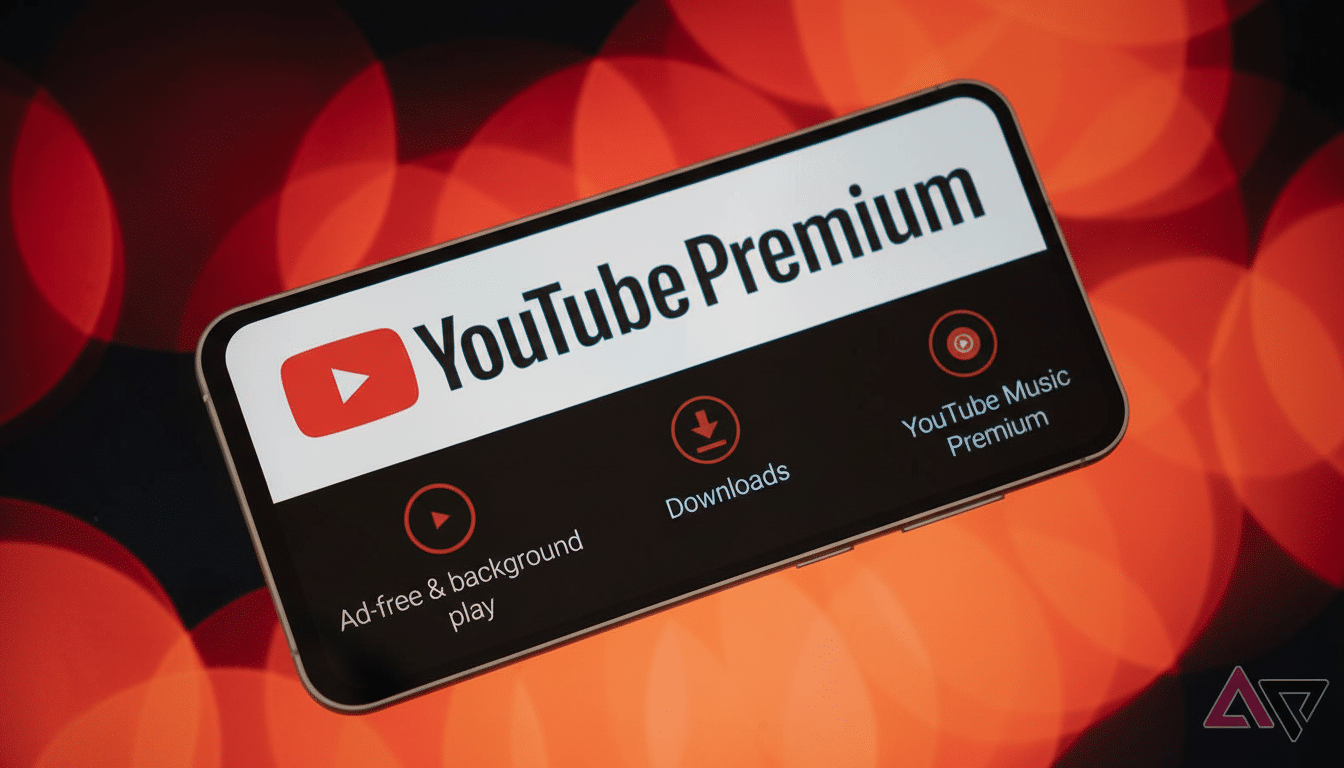
The headline feature is ad-free viewing across devices. But the everyday quality-of-life stack matters too: background play on phones, picture-in-picture, downloads for offline viewing, and seamless handoff between devices. YouTube has also rolled out an enhanced 1080p bitrate option for Premium members on supported platforms, which helps with dense, fast-moving content like gameplay and tech demos.
Then there’s the bundle. Premium includes YouTube Music, which, functionally, is a full music streaming service folded into the price. At $13.99 per month for individuals, $7.99 for students, and $22.99 for families of up to six, it’s competitive with standalone music plans before you even account for video perks. Google says YouTube Music and Premium together have surpassed 100 million subscribers globally, a signal that the pairing resonates beyond power users.
The Ad Climate Makes Premium More Valuable
YouTube’s scale keeps changing the calculus. The platform is now the top streaming destination on U.S. TVs by share of viewing, according to Nielsen’s The Gauge, reflecting the surge in big-screen YouTube habits. Ad demand has followed: Alphabet reported double-digit growth in YouTube ad revenue recently, reversing a brief slowdown. More viewing plus stronger ad sales means more pressure to maximize ad inventory—and a bigger friction tax for non-Premium users.
Layer on YouTube’s crackdown on ad blockers and the experience gap widens further. Premium neatly sidesteps all of this. No workarounds, no pop-ups, no waiting for an ad pod to finish on your living room TV when you just wanted to cue up a recipe or a conference keynote.
Why I Keep Ads Turned On Across Other Streamers
Paradoxically, I don’t pay to remove ads on major TV services. Their ad-supported tiers are cheaper, and the content was engineered for breaks anyway. Yes, some platforms now insert ad breaks into movies, which can be grating, but most of my streaming there is episodic. The cognitive penalty is smaller, and the price gap to go ad-free on those services has ballooned as providers push viewers toward pricier tiers.
On YouTube, by contrast, I’m often in focused-learning mode. A mid-roll that lands between lines of code or in the middle of a physics proof isn’t just annoying; it derails comprehension. Paying to remove that interruption buys back time and reduces rewatching of sections I just lost to a break.
Quirks And Trade-Offs I Live With As A Premium User
Premium isn’t flawless. There’s a 10-device cap for offline downloads that can be awkward for device hoppers, and the music recommendation engine has the occasional off day. But these are manageable edges. The core promise—uninterrupted video, every time—delivers.
The Bottom Line On Paying To Skip Ads On YouTube
If your media diet leans on creator videos, tutorials, and lectures, YouTube Premium yields disproportionate returns. It removes the most disruptive ads in my day, bundles in a full music service, and smooths how I watch across phone, tablet, and TV. Other platforms can keep their ad breaks. YouTube is the only place where skipping them is worth paying for—and where doing so measurably improves how I think, work, and learn.

