


A UTV can feel subtly off long before the rider identifies the actual cause. Drive belt degradation rarely makes itself known through a dramatic failure. It chips away at performance in small increments, making each ride slightly worse than the one before.
Reduced acceleration, sluggish throttle response, and unexpected slippage often trace back to a worn belt. Riders who catch this pattern early are the ones who avoid getting stranded far from help.
The Hidden Nature of Belt Deterioration
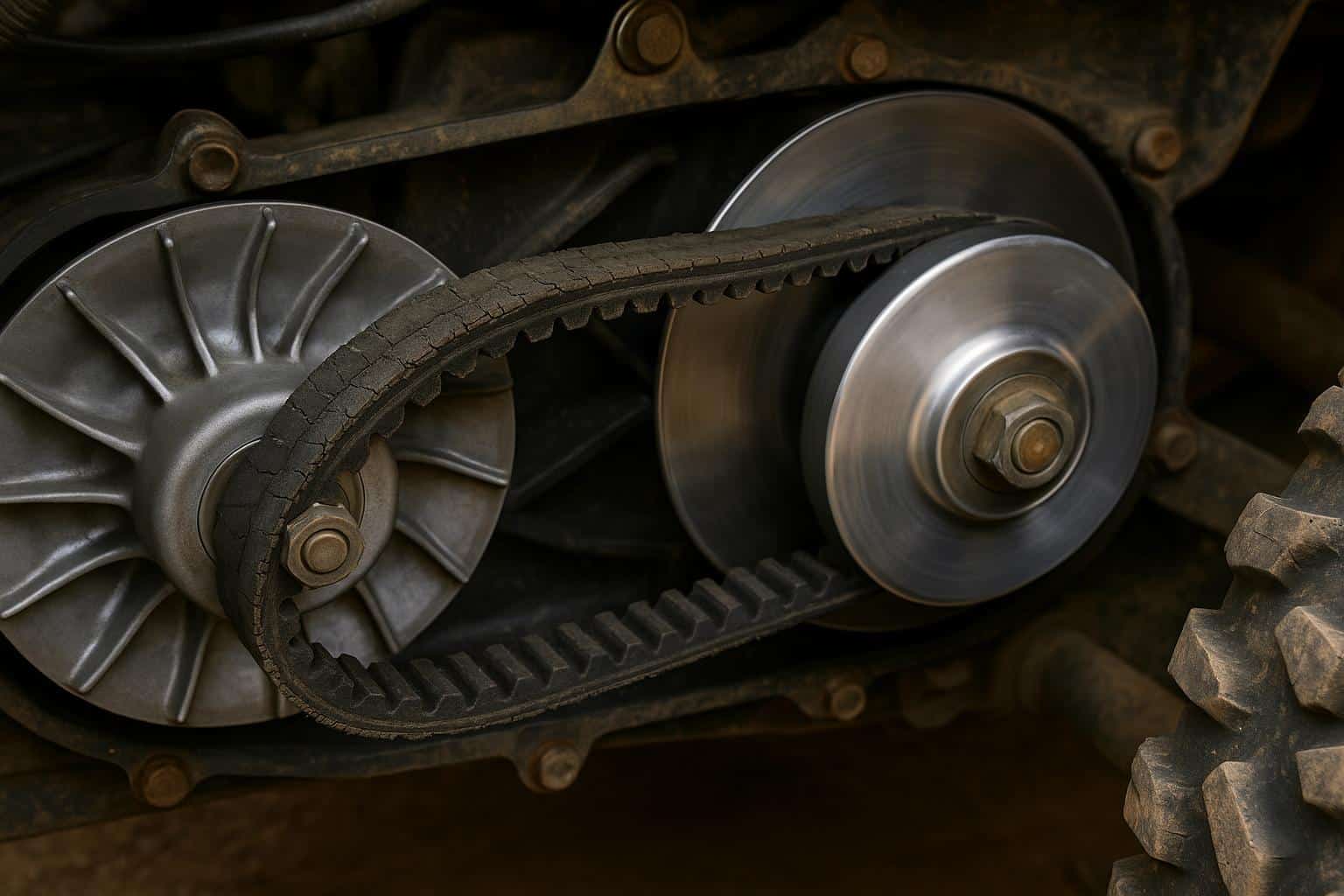
Drive belts absorb intense heat, friction, and load on every single ride. Unlike a snapped chain or a flat tire, belt wear rarely produces one clear moment of failure. The internal fiber layers fray gradually, and the outer surface develops hairline cracks that are easy to miss without a close look.
Riders comparing options while browsing drive belts for sale should pay close attention to belt materials and construction quality at that stage. Picking the right belt for specific terrain and load conditions matters just as much as sticking to a consistent replacement schedule. A better-built belt handles stress differently, and that difference shows up over hundreds of miles.
How Wear Translates to Performance Loss
Slipping Under Load
A worn belt loses the grip needed to transfer engine power cleanly through the drivetrain. On hill climbs or during heavy hauling, this causes the belt to slip inside the clutch sheaves. Engine revs climb, but forward motion lags behind, creating a disconnect that wastes fuel and adds stress to the clutch system.
Heat Buildup Compounds the Problem
Friction from a degraded belt generates more heat than a healthy one. That heat softens the rubber compound further, which accelerates wear in a self-reinforcing cycle. Riders who regularly push through steep or technical terrain wear their belts down considerably faster than those covering flat, open ground.
Early Warning Signs to Watch For
Burning Smell After Riding
A faint burning odor after stopping is one of the earliest indicators of belt stress. Fresh belt rubber has a distinct chemical smell when it overheats. Catching this early creates a window for inspection before any structural failure occurs.
Delayed Engagement at Low Speeds
Hesitation during initial throttle input often points to slippage in the primary clutch. A healthy belt engages smoothly and consistently. Any noticeable lag or lurch suggests the belt has lost adequate tension or surface integrity.
Visible Cracking or Fraying
Physical inspection remains the most reliable diagnostic tool. Cracks along the outer edge, missing cog teeth, or a glazed surface are all signs that replacement is overdue. Glazing is particularly damaging because it reduces friction to the point where normal performance cannot be recovered through cleaning alone.
What Accelerates Belt Wear
Riding habits and maintenance gaps are the two biggest contributors to premature belt failure, often more than terrain alone.
Frequent hard launches place far more stress on a belt than smooth, progressive acceleration. Sustained low-speed, high-load operation, such as plowing or winching at full capacity, generates prolonged heat that weakens belt composition faster than high-speed trail use.
Poor ventilation inside the belt housing plays a significant role too. Mud, water, and packed debris restrict airflow and trap heat around the clutch. Cleaning the housing after muddy rides is a quick step that most riders skip, yet it directly extends belt life.
Replacement Intervals and Proactive Checks
Most manufacturers recommend inspecting drive belts every 500 to 1,000 miles, though riders with aggressive habits should check more frequently. Visual inspection alone is not always enough. Measuring belt width against the manufacturer’s specification catches wear that still looks acceptable on the surface but has already crossed the performance threshold.
Carrying a spare belt on longer trail rides is a practical habit worth developing. A belt failure deep in the backcountry becomes a full recovery situation when a straightforward ten-minute swap could have resolved it entirely.
Conclusion
Drive belt wear does not wait for a convenient moment to become a problem. It builds quietly and tends to surface at the worst possible time, whether mid-climb or deep in the backcountry. Regular inspection, timely replacement, and honest attention to riding habits are the most reliable ways to protect performance and avoid unexpected failures. Consistent belt maintenance keeps the drivetrain responsive and ensures the machine holds up exactly when it needs to.

