


Withdrawal shows up when you least expect it. One minute, you’re fine. The next, your body feels heavy. Fatigue, restlessness, headaches, mood swings… all at once. And yeah, if you’re wondering how long does 7-OH last, you’re not alone. Most people do. It’s scary. Confusing. But knowing what’s happening inside your body—even roughly—makes it a little less like chaos.
Early Symptoms and Physical Changes
The first hours, sometimes the first couple of days… they can feel brutal. Your body’s trying to adjust. Maybe you feel shaky. Achy. Stomach upset. Or maybe just restless, like you can’t sit still.
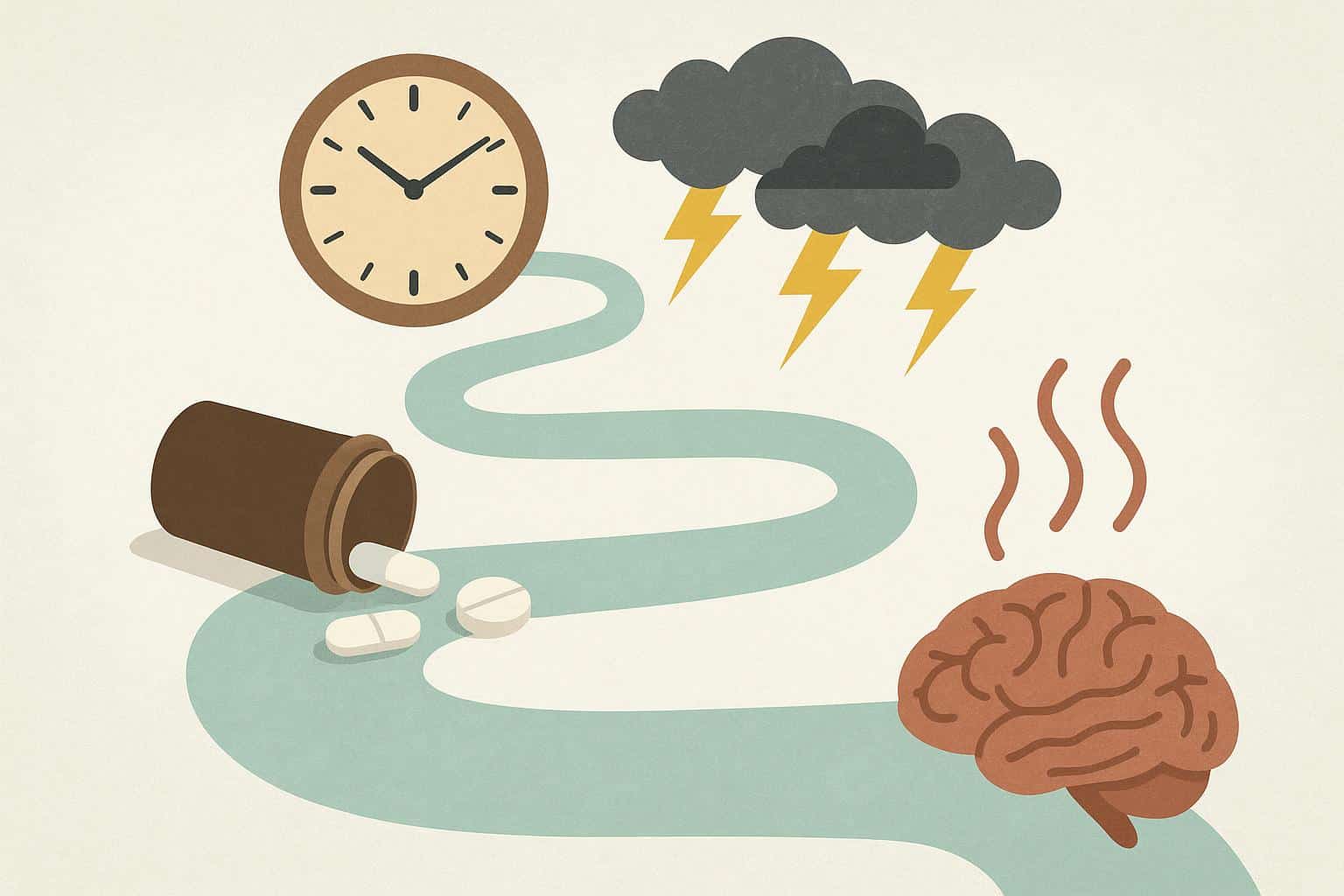
It’s intense. No sugarcoating that. But it won’t last forever. Your body’s basically rewiring itself. Trying to find a new balance. Drinking water helps. Short naps help. Stretching, walking around… even little movements calm the tension. You notice tiny reliefs. They matter more than you think.
Even small comforts make a difference. A warm shower. Breathing deeply while stretching. Standing by a window and letting sunlight hit your face. Your body notices. You notice. Tiny things can make the day feel a little lighter, just enough to keep going.
And sometimes, it’s okay to just pause. Sit down. Close your eyes for a few minutes. Let the sensations wash over you without resisting. It doesn’t make you weak. It makes you human. Letting your body have that little pause can make it easier to move forward after.
Emotional and Psychological Challenges
Your mind? Another rollercoaster. Mood swings. Anxiety. Irritability. Cravings. They come in waves. One moment you’re fine. Next, frustration hits. Or hopelessness. It’s exhausting. But it’s normal. Totally normal. Your brain is learning to function without what it used to rely on.
Little anchors help. Write a thought down. Step outside. Take a few deep breaths. Even five minutes can calm the storm in your head. Feeling low doesn’t mean you’re failing. It’s just part of the ride.
And don’t underestimate talking. One friend or family member who listens can make a day feel lighter. You don’t need answers. Just someone to hear you. Saying “I’m struggling today” out loud can ease some of the weight. Isolation feels smaller that way.
Understanding Patterns Over Time
Symptoms rarely stay the same. They come in waves. Peaks. Dips. Some days feel manageable. Others feel impossible. That’s normal.
If you’ve asked yourself how long does 7-OH last, seeing patterns can actually help. You start noticing the roughest moments don’t stick around forever. You can plan around meals, naps, short walks… little things that help ride out the waves. It’s less about control, more about understanding your rhythm.
Progress isn’t linear. Some days two steps forward, other days one step back. Doesn’t mean failure. Every tough moment you survive is growth. Every wave you get through is proof you’re stronger than you think.
And pay attention to your energy levels. Sometimes, a short burst of activity can lift you. Other times, it’s better to rest. Listening to these small fluctuations gives you a sense of rhythm. It’s like your body is teaching you, one wave at a time.
Supporting Your Recovery Physically
Your body needs care. And it doesn’t need to be complicated. Drink water. Eat simple meals. Fruits, vegetables, and protein. Skip sugar spikes—they crash energy and make fatigue worse.
Move a little. Don’t push it. Five minutes of stretching counts. Short walks, light yoga… whatever feels doable. Sleep is important too. Keep a loose routine. Your body thrives on stability.
And listen to yourself. If a nap is needed, take it. If you feel like moving more, do it. It’s not about rules. It’s about responding to what your body actually needs. Over time, small choices like this pile up. They make the rough days a little easier.
Sometimes, even small rituals help. Making your bed. Preparing a simple breakfast. Brushing your teeth slowly. These tiny repeated actions give a sense of control.
Conclusion
Withdrawal isn’t neat. It’s messy. Emotional. Physical. Sometimes it really sucks. But small actions count. Drinking water, stretching, journaling… they all build a rhythm. Something that helps you get through. Over time, these little things become sustainable recovery habits. Not perfection. Not speed. Just showing up for yourself. Tiny wins pile up. Step by step, day by day, what felt impossible slowly becomes manageable. You’re not just surviving—you’re learning how to care for yourself. One habit at a time.

