


Spring is the reset button for plant people, and the latest sales make it a smart time to upgrade your toolkit. I’m grabbing five discounted gadgets that target the biggest reasons plants struggle—light, water, weeds, and timing—so the season’s first seedlings and houseplants actually thrive.
These picks aren’t gimmicks; they solve real pain points with simple tech and solid ergonomics. As a bonus, several tap into data-driven care, aligning with guidance from university extensions and the EPA that emphasizes precise watering and targeted light to reduce stress on plants and conserve resources.
Clip-On Grow Light For Low-Light Corners
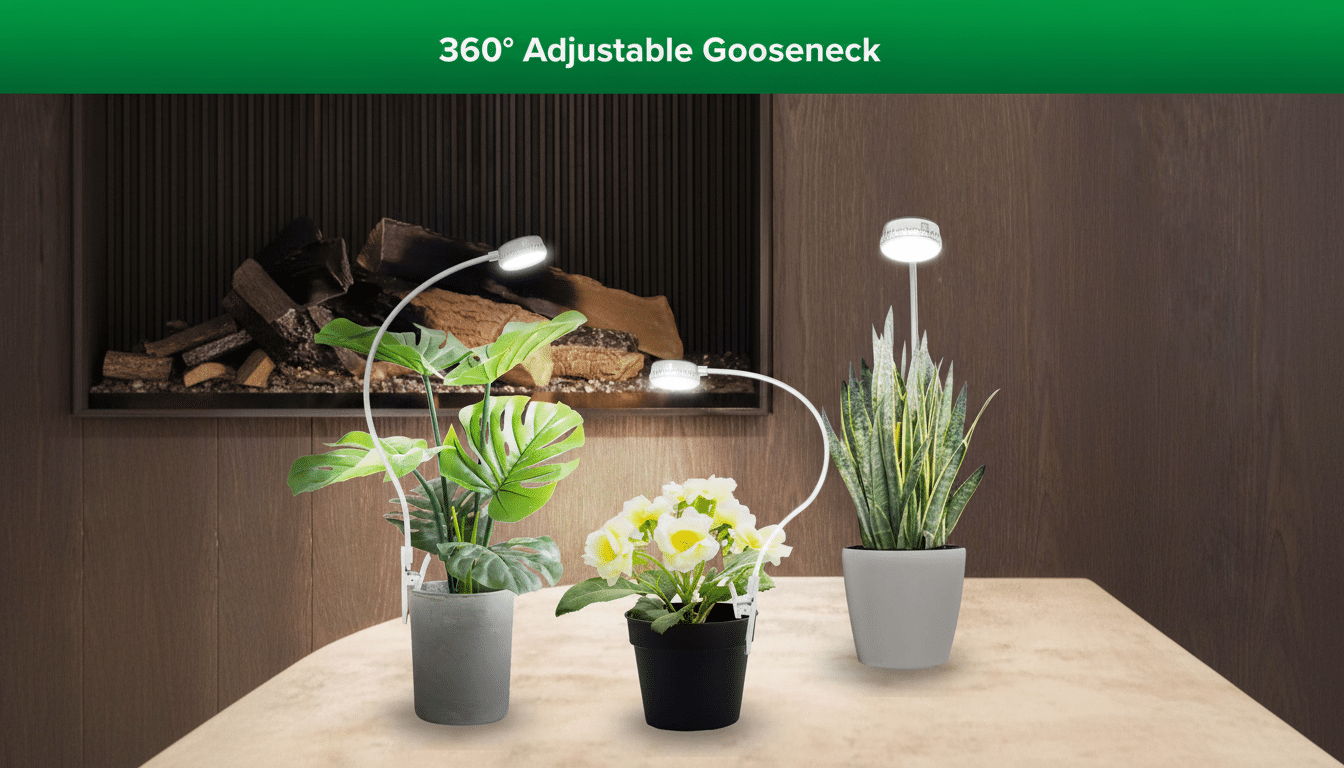
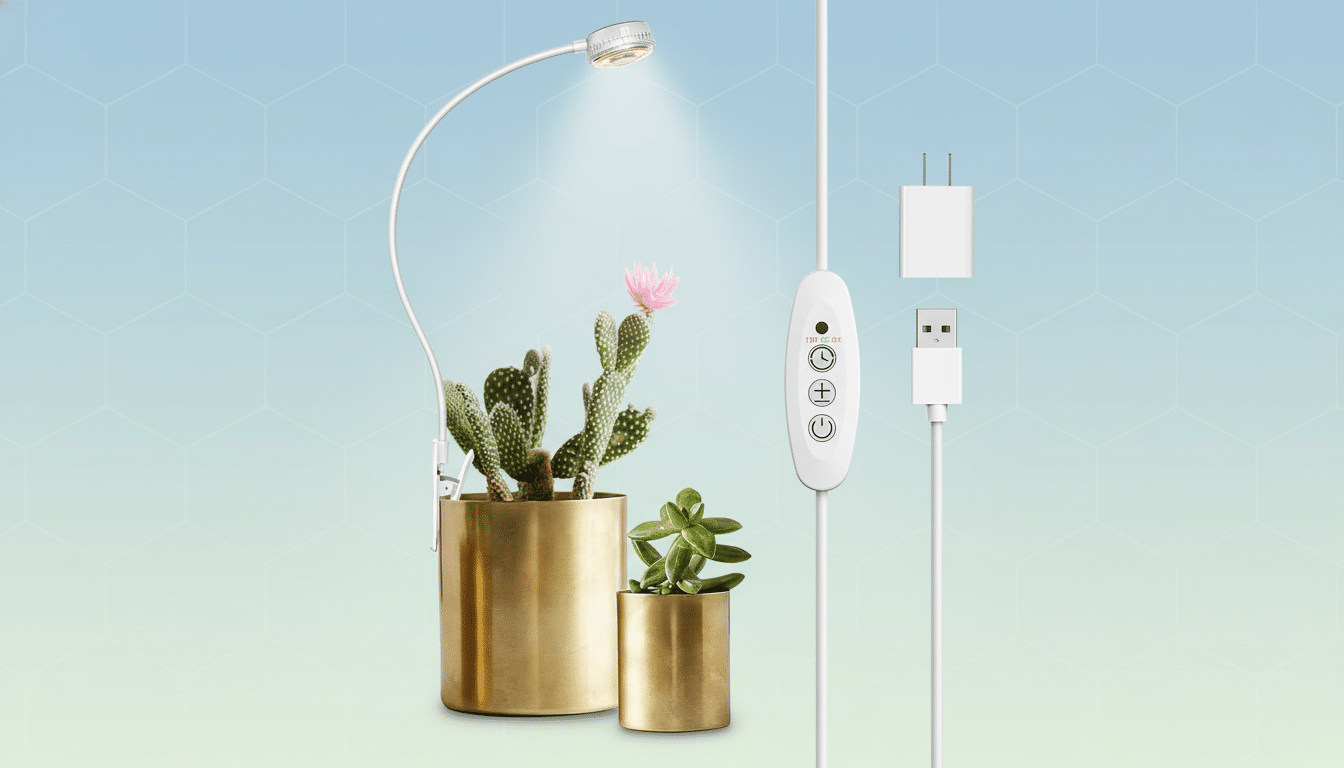
Sansi Pot Clip Grow Light is down to $16 (save $4), and it’s ideal for shadowy shelves where pothos, snake plants, or peperomia need a lift. The clamp anchors on a pot or ledge, the gooseneck swings into place, and a built-in timer offers 3, 6, or 12 hours with four brightness levels, so you’re not scorching tender foliage.
Extension horticulturists commonly recommend 12–16 hours of supplemental light for many foliage plants under LEDs, and a compact clip light makes that practical without a bulky rig. In my last apartment’s north-facing room, a modest LED like this kept trailing vines actively pushing new growth through winter.
Bluetooth Soil Moisture Meter That Teaches Timing
Rainpoint’s Bluetooth Soil Moisture Meter is $19 (save $11), and it tackles the number-one plant killer: improper watering. The probe reads real-time moisture and temperature, while the app logs trends, sets alerts, and includes care benchmarks for common houseplants like aloe, ivy, and ficus.
Clemson Cooperative Extension and other university programs repeatedly note that watering on a calendar is a recipe for root rot. A meter lets you water at the root zone when it matters, not when the top inch of soil looks dry. I’ll use it to dial in thresholds for ferns versus succulents, then let the app ping me before stress sets in.
Weed Removal Tool That Saves Knees And Soil
The Garden Weasel WeedPopper is $27 (save $13), weighing just 2.2 pounds, and it yanks taprooted offenders like dandelions and plantain without chemicals. Step on the foot lever, twist, and pop the root out—no kneeling, no herbicides drifting onto ornamentals or edibles.
Cornell University’s Integrated Pest Management guidance prioritizes mechanical removal before seed set to shrink next year’s weed bank. Tools that remove the crown and root reduce regrowth and soil disturbance, which helps preserve soil structure and beneficial microbes. I’m parking this by the porch so I can clear invaders as soon as they appear.
Countertop Hydroponic Garden For Easy Herbs
The AeroGarden Harvest Lite is $61 (save $39), a compact hydroponic system with a height-adjustable LED hood up to about a foot, pre-seeded pods, and automated reminders. No guessing at soil blends; basil, dill, and lettuce go from seed to snip with clean, recirculating nutrient water.
Hydroponics delivers consistent moisture and nutrients, which helps plants establish faster than in potting mixes, according to research programs in controlled-environment agriculture at land-grant universities. NASA’s long-running plant studies also validate LED spectra for efficient growth. Translation: more pesto, fewer sad, leggy starts on the windowsill.
Wi-Fi Smart Sprinkler Timer That Uses Weather Data
Rainpoint’s Wi-Fi Smart Sprinkler Timer is $66 (save $13) and brings weather-aware watering to hose-end zones or raised beds. Through the app, I can set schedules, skip cycles during rain for 1–30 days, or boost watering during heat waves—without trekking outside at dawn.
The EPA’s WaterSense program reports that smart irrigation controllers can cut outdoor watering by about 15% while improving plant health by avoiding over- and under-watering. With outdoor use accounting for a large share of household water in warm months, a weather-based timer protects plants and the water bill. Many local utilities even offer rebates on smart irrigation gear—worth checking before you buy.
Why These Five Make A Smarter Spring Kit
Together, these tools close the feedback loop: light for dim rooms, sensors for watering decisions, a chemical-free weeder to protect soil life, a countertop garden for reliable greens, and an automated timer to manage beds outdoors. It’s a small, affordable stack that reduces guesswork and plant stress.
My plan is simple: set the sprinkler to local weather, use the moisture meter to train better habits indoors, deploy the clip light where windows fall short, harvest from the hydro garden while seedlings harden off, and pop weeds before they flower. That’s how a green thumb grows—one well-timed task, one smart tool, and a lot fewer plant obituaries.

