


Creating a beautiful home and providing a comfortable environment for pets are often viewed as competing priorities. Many homeowners assume they must choose between carefully designed interiors and practical spaces that accommodate dogs or cats. In reality, the two goals can work together remarkably well when thoughtful design decisions consider both aesthetics and everyday functionality.
Modern interior design increasingly embraces pet-friendly living by incorporating durable materials, organized storage, and carefully selected accessories that complement a home’s style rather than disrupting it. With the right approach, pets can enjoy a comfortable environment without requiring homeowners to compromise on design.
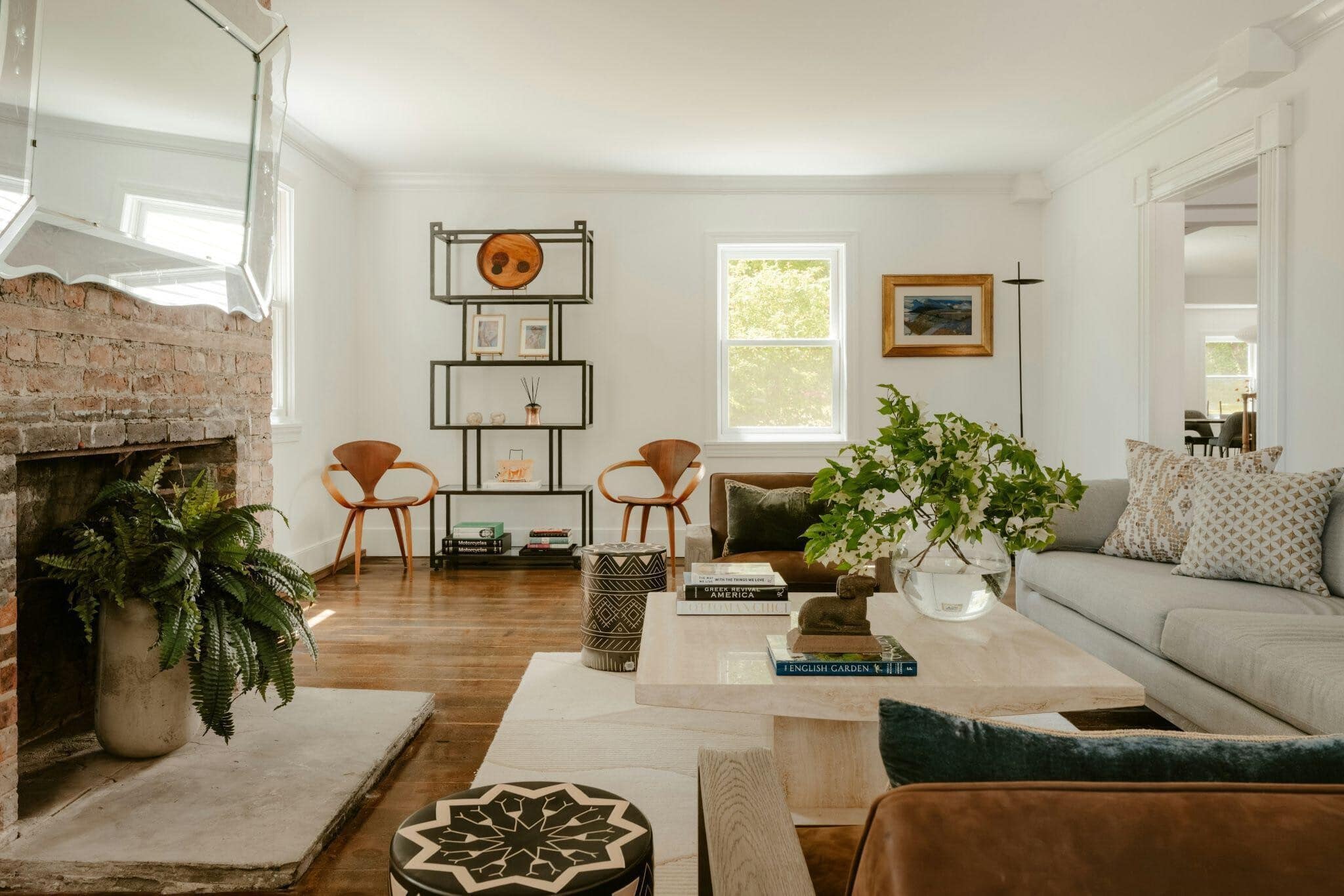
Smart Organization Makes Daily Life Easier
One of the biggest challenges of living with pets is managing the accessories that naturally accumulate over time. Food containers, toys, grooming supplies, travel carriers, seasonal equipment, and extra bedding can quickly create visual clutter if they lack dedicated storage.
Keeping these items organized allows living spaces to remain clean and functional without making pet ownership feel overwhelming. Portable storage often becomes just as important during home renovations, seasonal reorganizing, or a move, when everyday belongings need to be protected and easy to retrieve. https://wheekeep.com/ centers on storage solutions intended for those situations, reinforcing the value of keeping household items organized instead of scattered throughout the home. The same organizational principles translate well to everyday living, where neatly storing pet supplies keeps essential items within reach while reducing unnecessary clutter.
Rather than hiding pets from the design of a home, effective organization allows their belongings to blend naturally into everyday living.
Functional Accessories Can Also Complement Interior Design
Pet accessories have evolved considerably in recent years. Many products are now designed with aesthetics in mind, allowing them to complement modern interiors instead of standing out as purely utilitarian items. Beds, feeding stations, storage baskets, and collars are increasingly available in coordinated colors, premium materials, and contemporary styles.
For example, pet owners exploring designer dog collars often look beyond appearance alone, comparing adjustable sizing, durable construction, comfortable materials, and coordinated designs that fit both everyday walks and special occasions. Many modern collars combine practicality with distinctive styling, demonstrating that functional pet accessories can contribute to a cohesive overall look while remaining comfortable for daily wear.
Selecting accessories that reflect the home’s overall design creates visual consistency without sacrificing the needs of the pet.
Durable Materials Help Preserve Both Style and Comfort
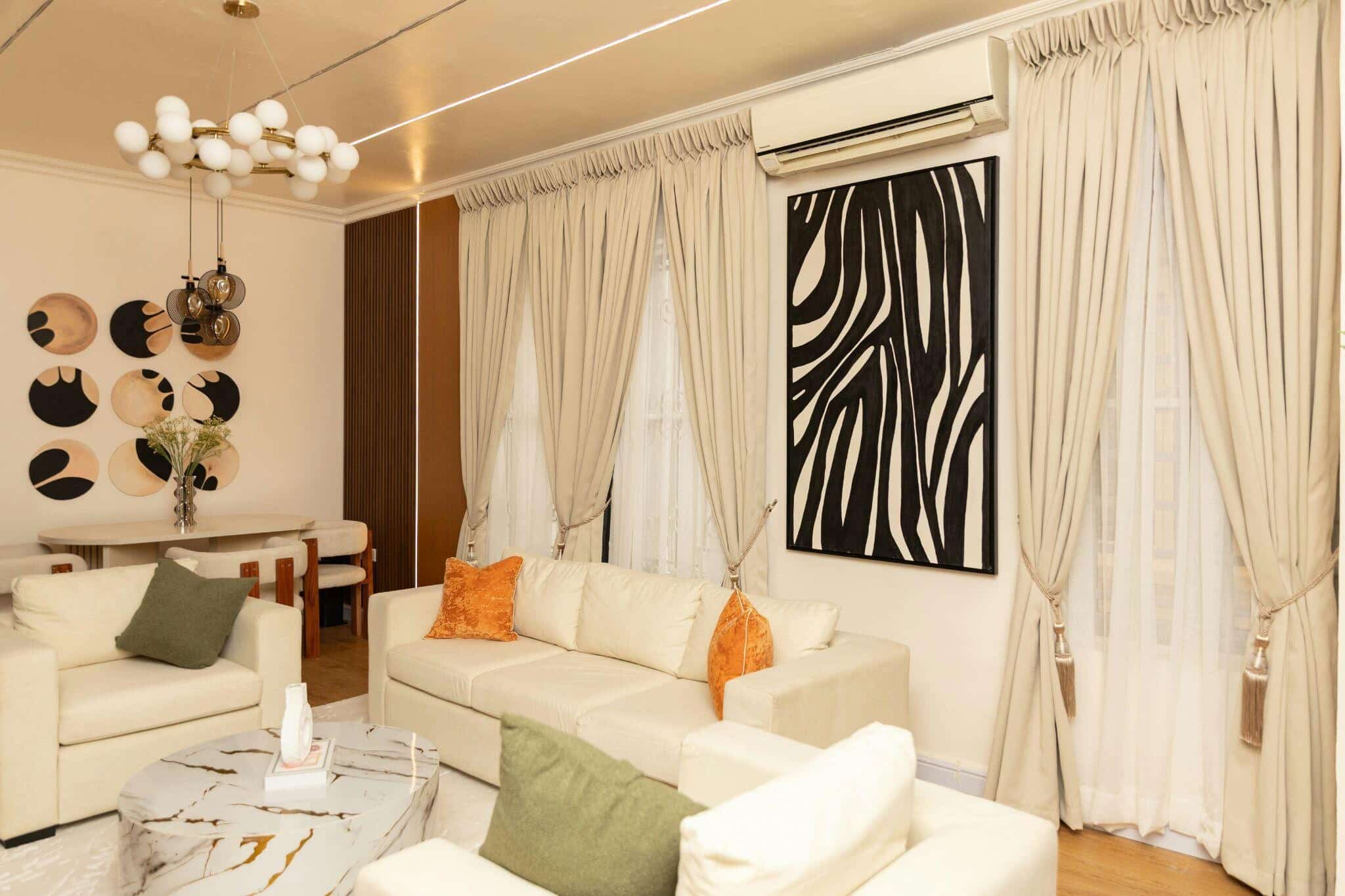
Living with pets places additional demands on furniture, flooring, and decorative materials. Fabrics that resist stains, scratch-resistant flooring, washable slipcovers, and easy-to-clean surfaces help maintain a home’s appearance while reducing everyday maintenance.
Performance fabrics have become especially popular because they combine durability with attractive textures and colors suitable for contemporary interiors. Likewise, choosing area rugs with low-pile construction often makes cleaning easier while remaining comfortable for both people and pets.
Rather than avoiding attractive furnishings altogether, homeowners can prioritize materials specifically designed to withstand everyday wear. These practical decisions support long-term durability without significantly limiting design options.
Thoughtful material selection also creates a more relaxed living environment, allowing both homeowners and pets to use shared spaces comfortably.
Pet-Friendly Design Should Consider Everyday Movement
A stylish home should remain practical for everyone who lives there, including pets. Furniture placement, walking paths, and designated resting areas all influence how comfortably animals move throughout the house.
Providing pets with consistent locations for sleeping, eating, and relaxing helps establish routines while reducing unnecessary disruption to shared spaces. Window seating, comfortable corners, and dedicated pet beds integrated into existing décor allow animals to remain close to family activities without occupying high-traffic areas.
Small design decisions can also improve safety. Keeping electrical cords organized, securing unstable decorative items, and selecting non-toxic houseplants contribute to a more comfortable and secure environment.
Balancing visual appeal with practical movement allows both homeowners and pets to enjoy the space together.
Consistency Creates a Home That Works for Everyone
The most successful pet-friendly homes are not built around constant compromise. Instead, they rely on consistent habits that support cleanliness, organization, and comfort. Regular grooming, routine cleaning, designated storage areas, and thoughtfully selected furnishings all contribute to maintaining an attractive interior over time.
When pet care becomes part of everyday household organization, maintaining a stylish environment requires far less effort than many people expect. Small daily habits often prevent larger maintenance challenges while preserving both the appearance and functionality of the home.
Ultimately, beautiful interiors and happy pets are not opposing goals. Through smart organization, durable materials, coordinated accessories, and practical design choices, homeowners can create living spaces that remain welcoming, comfortable, and visually appealing for every member of the household, whether they walk on two legs or four.

