


Most people don’t start thinking seriously about retirement communities until something goes wrong. A fall. A diagnosis. A spouse who suddenly can’t manage alone. And by that point, the choices feel less like choices and more like damage control, rushed decisions made under pressure, without much time to compare options or ask the right questions.
Luxury CRCC Communities, better known as CCRCs, are built around a different idea entirely. You move in while you’re still healthy, still independent, still fully yourself. You build friendships, find your routines, and enjoy the lifestyle. And if your needs change somewhere down the road, whether that means a little extra daily support, a stint in rehab, or full skilled nursing care, it’s all right there on the same campus. You don’t have to leave the community you’ve grown to love. You don’t have to start over with new caregivers in an unfamiliar place.
The people who’ve made this choice tend to say the same thing when you ask them about it. They wish they’d done it earlier.
What Continuing Care Means
The phrase gets used a lot without much explanation, so it’s worth being clear about what it actually covers.
A CCRC offers multiple levels of care within one community, usually on a single campus. Most residents start in independent living, which is essentially a private home or apartment with the added bonus of resort-style amenities and zero maintenance responsibilities. As needs change, the community can provide assisted living support, skilled nursing care, short-term rehabilitation, or memory care, all without the resident having to relocate to an entirely different facility. The care comes to you, or you move a short distance within the same community you already know.
This is meaningfully different from most retirement setups. Standard independent living communities are great until they’re not, and when health needs outpace what the community can offer, residents are typically discharged somewhere else. With a CCRC, that gap doesn’t exist. The whole point is that you’re covered across whatever comes next.
For couples, this matters in ways that are easy to underestimate. Spouses rarely need the same level of care at the same time. One might need skilled nursing while the other is still perfectly independent. In a CCRC, they can stay in the same community, see each other daily, and not feel like they’ve been separated by circumstance.
The financial piece
Long-term care is expensive. That’s not a scare tactic; it’s just the reality. Skilled nursing costs, in particular, run well above what most families budget for, and those costs increase every year at a rate that outpaces general inflation by a significant margin.
Life Care contracts, the type that most reputable CCRCs offer, address this directly. You pay an entrance fee and monthly fees that cover your current independent living situation and, if your needs ever escalate, the higher levels of care as well. The practical effect is that you’re locking in your future healthcare costs at today’s prices. Given how quickly long-term care costs tend to climb, people who enter these contracts while they’re still healthy often save considerably compared to what they’d have paid by waiting and purchasing care on the open market later.
There’s an asset protection dimension too. An extended stay in skilled nursing can drain savings at a pace that genuinely shocks families who haven’t planned for it. A Life Care contract works almost like insurance against that scenario, keeping your income and assets intact even if your health requires intensive, long-term support. For couples, it also means the healthy spouse’s financial security doesn’t hinge on how much the other’s care ends up costing.
It’s not an inexpensive option at the front end. But the math changes significantly when you think in terms of what you’re actually buying.
The independent living side of a CCRC
Homes
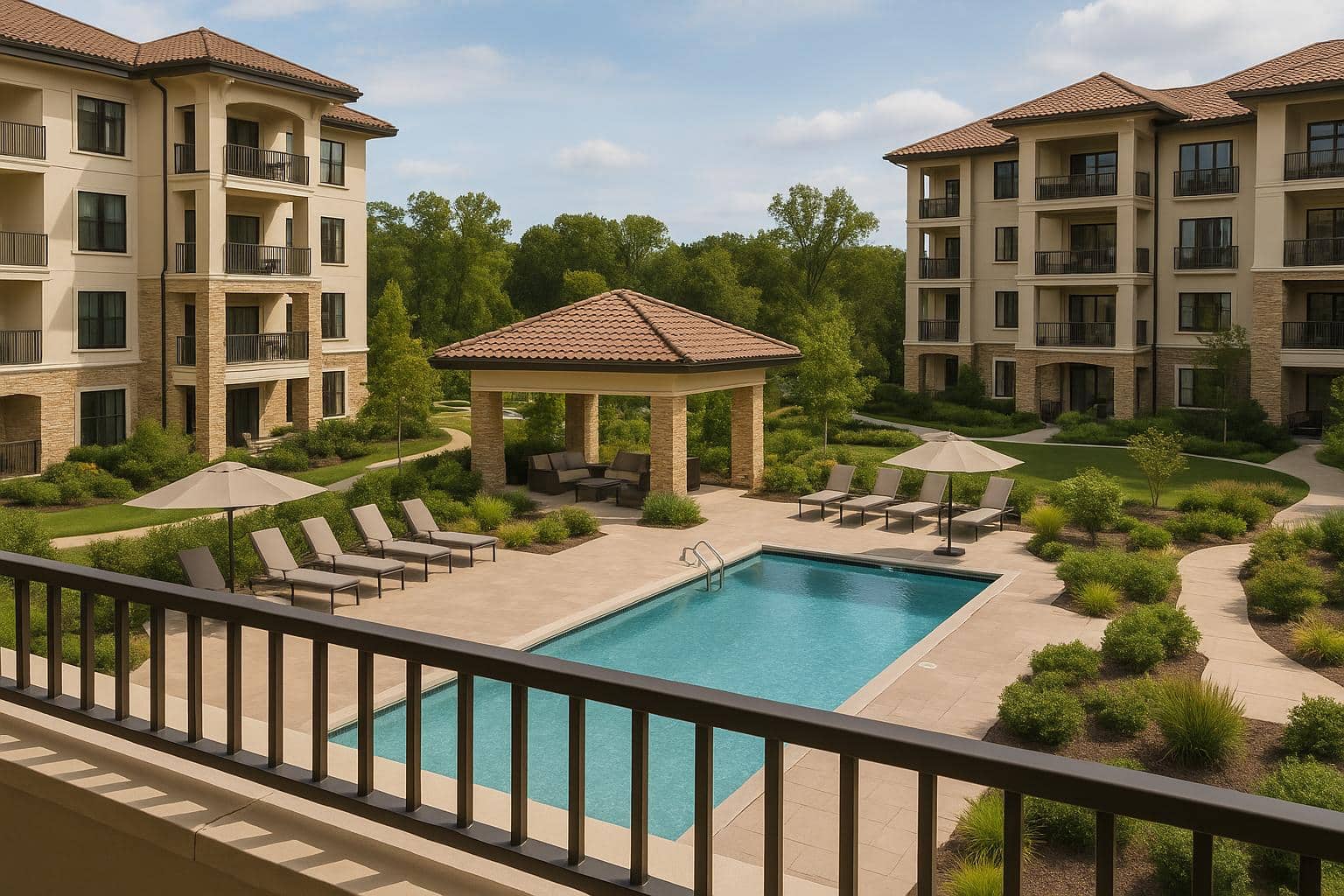
Residents typically choose from a range of floor plans: garden-style homes, villas, or apartment residences, each with real living space and private outdoor areas. Full kitchens or kitchenettes, depending on the unit. The maintenance-free element sounds minor until you’ve lived it, and then it’s hard to overstate. No more worrying about the roof, the lawn, an appliance that breaks on a holiday weekend. That entire category of homeownership stress simply goes away, and most people who’ve made the transition describe it as one of the best parts.
Dining
Honestly, this is one of the things that catches people off guard most pleasantly. Good CCRC communities put real effort into their dining programs: rotating menus, multiple dining settings, accommodations for dietary needs, the kind of quality you’d expect from a solid restaurant rather than institutional food service. Having a genuinely good meal, in a proper dining room, with people you know, most evenings of the week turns out to be one of the more consistent daily pleasures of this lifestyle.
Staying connected & active
The research on healthy aging is pretty consistent on two points: physical activity and social connection both matter enormously. A well-run CCRC builds programming around exactly these things. Exercise options, social clubs, wellness programs that address physical, mental, and spiritual health together. And because everyone in the community is in a broadly similar life stage, the social fabric forms more naturally than most people expect. You’re not building friendships from scratch at 70; the community infrastructure does a lot of that work for you.
How Does the Care Continuum Works?
Assisted living
There’s usually a period in life where a little extra help makes a real difference: managing medications, assistance with bathing or dressing, keeping track of appointments. Assisted living provides that support while residents keep their own space and their own daily routines. It’s not clinical. It’s just practical help woven into ordinary life.
In a CCRC, the transition into assisted living doesn’t mean changing communities. The staff already knows the resident. The neighbors are the same people they’ve been having dinner with for years. That continuity is genuinely hard to put a price on.
Skilled nursing
When health needs require licensed nursing care around the clock, a CCRC with an on-campus skilled nursing facility means the resident doesn’t get transferred to a place no one has ever visited before. Their physician may already be on staff. The nurses know their history. Their family knows where to go. A Medicare-certified skilled nursing facility is not a minor amenity; it’s the thing that makes the whole Life Care model actually work.
Rehabilitation
Physical therapy, occupational therapy, speech therapy: after a joint replacement, a fall, a cardiac event, the quality and consistency of rehabilitation often determines how complete the recovery is. Having a dedicated rehab center on campus means you’re doing that recovery work among people who know you, in a place that already feels like home, rather than a separate facility across town where you’re starting from scratch with strangers.
Memory care
Memory care for Alzheimer’s and dementia is a specialized discipline. The environment needs to be secure and calm. The staff needs training and patience specific to cognitive decline. When a spouse living in the same community develops memory issues, the other partner can still be close — visiting daily, having meals together where possible, staying connected without the logistical strain of traveling between two completely separate locations. That proximity, for couples going through this, makes a real difference in day-to-day life for both of them.
What to Look for When Comparing CCRCs
Florida’s Governor’s Gold Seal is awarded to communities that go beyond minimum state licensing standards in resident care quality, and it’s based on actual inspections rather than marketing materials. Medicare’s 5-star rating for skilled nursing facilities is similarly based on objective outcome data. Both are worth checking and are publicly available. A community that earns these recognitions consistently has usually done something right.
Beyond credentials, the financial contract deserves genuine scrutiny. Understand what the entrance fee covers, what monthly fees include, and precisely under what conditions those fees can change. Life Care contracts vary more than the name implies, and the specifics of what’s covered during skilled nursing, versus what counts as an additional cost, can differ significantly between communities.
Talk to current residents if you can. They’re more useful than any tour. Ask what they wish they’d known before moving. Ask what surprised them. The honest answers are usually more informative than the polished pitch.
And visit more than once, at different times of day. A scheduled Saturday tour is designed to look its best. A Tuesday morning visit to the dining room tells you something different, whether staff greet residents by name, whether the atmosphere feels genuinely warm or just well-staged.
The mistake most families make
Waiting. Specifically, waiting until the need is urgent. Here’s why that tends to backfire:
- Most quality CCRCs carry waiting lists, so by the time you’re looking urgently, your preferred community may not have a spot.
- Life Care contracts often have health qualification requirements. Entering after a major health event isn’t always possible, or at least not under the same financial terms you’d have gotten earlier.
- The adjustment to a new community is measurably easier when you arrive healthy and social. You have time to settle in, build friendships, find your routines, and feel genuinely at home long before you ever need the healthcare side of things.
- People who arrive in a health crisis are adjusting to a new community and a new health reality at the same time. That’s harder on everyone, the resident and the family.
Conclusion
If something happened tomorrow, would the people who love you know what to do? Would the care be familiar, high quality, and already paid for? Would your spouse be close by, financially protected, and cared for by people who know them?
A thoughtfully chosen CCRC, with a genuine Life Care contract and a full continuum of on-campus care, is one of the more complete answers to that question available to retirees today. Central Florida’s lake communities, where the lifestyle is genuinely good and the healthcare infrastructure is serious, are among the better places to find it.
The people who’ve planned this way tend not to regret it. The ones who waited often wish they hadn’t.

