


The cryptocurrency market moves fast. Prices can rise sharply in a single day and correct just as quickly. For traders and long-term holders, managing this volatility is one of the most important parts of building a sustainable digital asset strategy.
One of the most common ways users respond to market uncertainty is by converting Bitcoin into Tether. A BTC to USDT swap allows traders to move from a highly volatile asset into a stablecoin that is designed to track the value of the U.S. dollar. This gives users more flexibility when markets become unpredictable.
- Why BTC and USDT Are Commonly Paired
- What Makes a BTC to USDT Swap Useful?
- How to Swap BTC to USDT Safely
- Why Some Users Prefer a No KYC Crypto Exchange
- Fixed Rate or Floating Rate: Which Is Better?
- Key Factors to Check Before Swapping
- Common Reasons Traders Swap BTC to USDT
- Mistakes to Avoid When Swapping BTC to USDT
- Using the Wrong USDT Network
- Not Checking the Final Amount
- Ignoring Minimum Limits
- Using Unverified Websites
- Sending a Large Amount First
- How No-KYC Swaps Fit Into Modern Crypto Trading
- Is Swapping BTC to USDT a Long-Term Strategy?
- Final Thoughts
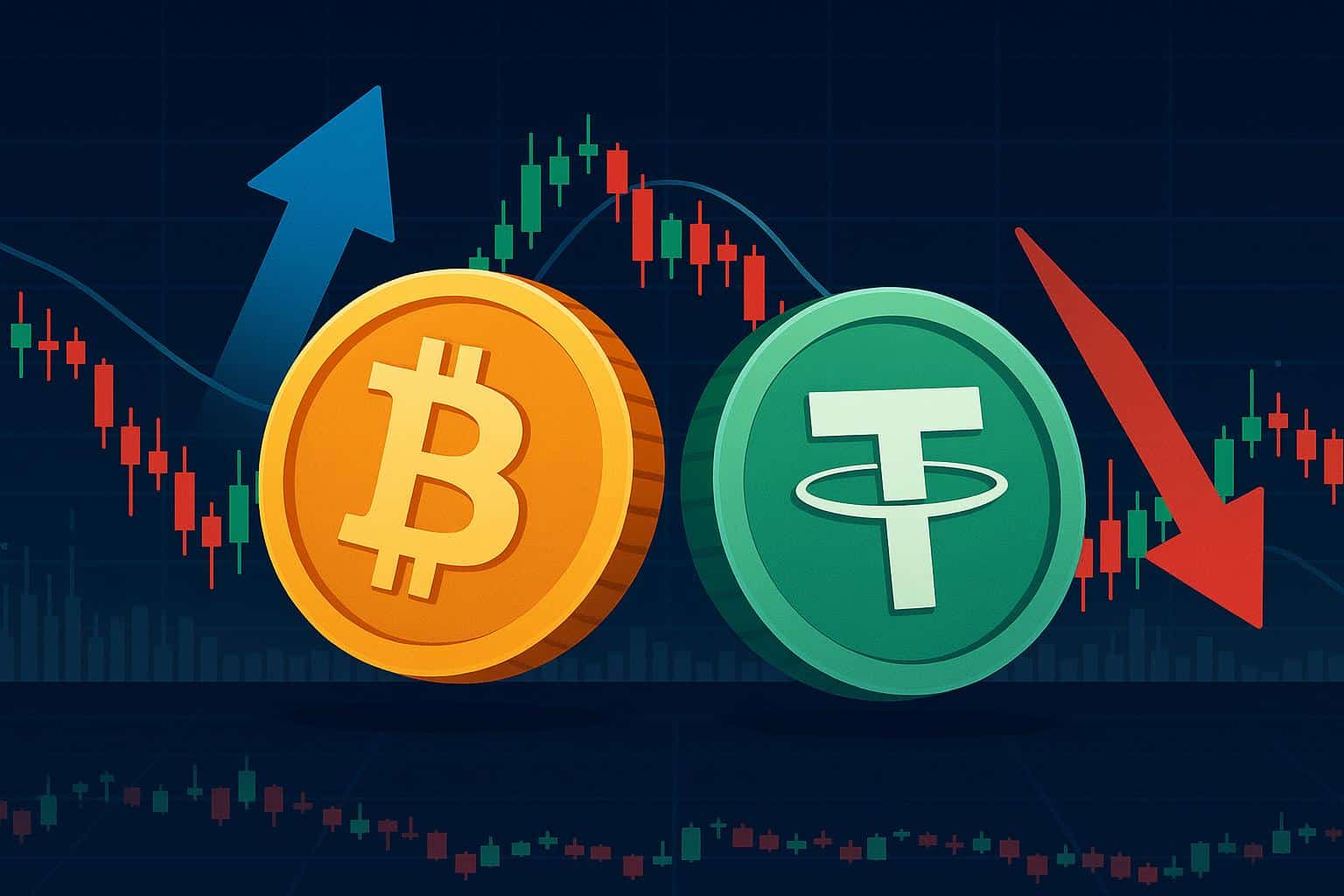
Whether the goal is to protect profits, wait for a better entry point, or rebalance a portfolio, knowing how to swap BTC to USDT can be useful for nearly every crypto user.
Why BTC and USDT Are Commonly Paired
Bitcoin is the leading digital asset by recognition, liquidity, and market influence. When Bitcoin moves, the rest of the market often reacts.
USDT, meanwhile, is one of the most widely used stablecoins. It is commonly used as a temporary holding asset because its price is designed to remain close to one U.S. dollar.
This makes BTC and USDT a natural trading pair.
Many traders choose to swap BTC to USDT on Godex.io when they want to reduce exposure to market volatility without leaving the crypto ecosystem entirely. Instead of converting funds into fiat currency, they stay in digital assets while holding something more stable than Bitcoin.
What Makes a BTC to USDT Swap Useful?
A BTC to USDT swap can serve several different purposes depending on the trader’s strategy.
Protecting Gains
When Bitcoin rises significantly, some traders convert part of their holdings into USDT to secure profits. This helps reduce the risk of losing gains during a sudden market pullback.
Waiting for Better Entry Points
After swapping into USDT, users can wait for Bitcoin or other assets to drop to more attractive levels before re-entering the market.
Reducing Emotional Trading
Volatile markets can lead to impulsive decisions. Holding USDT gives traders time to think clearly rather than reacting emotionally to every price movement.
Improving Liquidity
USDT is widely supported across exchanges and wallets, making it a practical asset for fast portfolio adjustments.
How to Swap BTC to USDT Safely
For users asking how to swap BTC to USDT, the process is usually straightforward, but attention to detail matters.
A typical swap includes the following steps:
- Choose a reliable platform that supports BTC and USDT.
- Select BTC as the asset you want to send.
- Select USDT as the asset you want to receive.
- Enter the amount of BTC you want to exchange.
- Provide a USDT receiving wallet address.
- Review the rate, fees, and estimated payout.
- Confirm the transaction.
- Wait for confirmations and receive USDT.
Although the process may look simple, users should always verify the USDT network, wallet address, fees, and minimum exchange amount before sending funds.
Why Some Users Prefer a No KYC Crypto Exchange
Many traders now prefer using a no KYC crypto exchange for direct crypto-to-crypto swaps.
Traditional exchanges may require users to upload identity documents, complete account verification, and wait for approval before trading. For users who already hold BTC and only want to convert it into USDT, this can feel unnecessarily complicated.
A no KYC crypto exchange may offer a faster and more private experience by reducing registration requirements. This can be especially appealing for users who value:
- Personal data protection
- Faster access to swaps
- Fewer onboarding steps
- Direct wallet-to-wallet transfers
- Simpler transaction flows
Privacy-focused services are not about avoiding responsibility. Users should still follow local laws and keep proper records. The appeal is that they do not have to share sensitive personal documents for every simple exchange.
Fixed Rate or Floating Rate: Which Is Better?
When performing a BTC to USDT swap, users may encounter two types of exchange rates: fixed and floating.
Fixed Rate
A fixed rate locks the exchange rate for a short period. This gives users more certainty about how much USDT they will receive.
Fixed rates are useful during volatile conditions when BTC prices can move quickly.
Floating Rate
A floating rate changes with the market until the transaction is processed. This may result in a slightly better or worse final amount depending on price movement.
Floating rates may suit users who are comfortable with market changes and want a rate closer to real-time conditions.
Before you swap BTC to USDT, it is important to understand which rate type the platform offers.
Key Factors to Check Before Swapping
A successful swap depends on more than simply selecting BTC and USDT.
USDT Network
USDT exists on multiple networks, including Ethereum, Tron, BNB Smart Chain, Solana, and others. Always confirm that your receiving wallet supports the selected network.
Exchange Rate
Compare the estimated amount of USDT you will receive across different platforms.
Fees
Look at service fees and network fees. A good platform should show the final expected payout before confirmation.
Reputation
Use a platform with a strong operating history and positive user feedback.
Support
Reliable customer support is helpful if a transaction is delayed or if network congestion occurs.
Common Reasons Traders Swap BTC to USDT
Different traders use USDT in different ways.
Some use it as a short-term safety asset during market corrections. Others use it to prepare for new buying opportunities. Some convert profits into USDT after strong price movements, while others use it for transfers across platforms.
A BTC to USDT swap is also useful for portfolio rebalancing. For example, a trader may reduce Bitcoin exposure from 70% of a portfolio to 50% by converting part of the position into USDT.
This flexibility makes USDT one of the most important tools in active crypto portfolio management.
Mistakes to Avoid When Swapping BTC to USDT
Even experienced users can make mistakes during a swap.
Using the Wrong USDT Network
This is one of the biggest risks. Sending USDT to an unsupported network can cause serious problems.
Not Checking the Final Amount
Always review the final estimated payout, not just the displayed exchange rate.
Ignoring Minimum Limits
Some services require a minimum BTC amount. Sending less than the minimum may delay or complicate the transaction.
Using Unverified Websites
Fake exchange websites can imitate real platforms. Always make sure you are using the correct site.
Sending a Large Amount First
When using a new service, starting with a smaller test swap can help confirm that everything works correctly.
How No-KYC Swaps Fit Into Modern Crypto Trading
The growing popularity of the no KYC crypto exchange model reflects changing user expectations.
Many traders want fast swaps, transparent fees, broad asset support, and fewer administrative barriers. They also want more control over their personal information.
For simple crypto-to-crypto conversions, especially common pairs like BTC and USDT, no-KYC platforms can provide a convenient alternative to traditional account-based exchanges.
However, users should still evaluate every platform carefully. Privacy should be combined with security, transparency, and responsible use.
Is Swapping BTC to USDT a Long-Term Strategy?
A BTC to USDT swap is usually a tactical move rather than a complete long-term strategy.
USDT can help traders manage volatility, but it does not offer the same growth potential as Bitcoin during bull markets. On the other hand, Bitcoin can experience sharp drawdowns, while USDT is commonly used to preserve value during uncertain periods.
The right balance depends on each user’s goals, risk tolerance, and market outlook.
Some traders hold mostly BTC. Others keep a percentage of their portfolio in USDT for flexibility. Many move between the two depending on market conditions.
Final Thoughts
A BTC to USDT swap is one of the most practical tools available to crypto traders. It helps users manage volatility, protect profits, maintain liquidity, and prepare for future opportunities.
For anyone learning how to swap BTC to USDT, the most important steps are choosing a reliable platform, confirming the correct USDT network, reviewing fees, and checking wallet addresses carefully.
Users who value privacy and speed may consider a trusted no KYC crypto exchange for direct crypto-to-crypto swaps. This approach can reduce onboarding friction while giving users more control over their personal information.
In a market that never stops moving, the ability to swap BTC to USDT quickly and safely can make portfolio management more flexible, efficient, and responsive.

