


Managing costs on a construction project is one of the most challenging tasks for contractors, developers, and project managers. Without a clear picture of what a project will cost, budgets spiral out of control, timelines shift, and profitability suffers. This is where construction estimating becomes an essential tool. From the early planning stages to the final handover, accurate estimating gives teams the financial clarity they need to make informed decisions and keep projects on track.
What Is Construction Estimating?
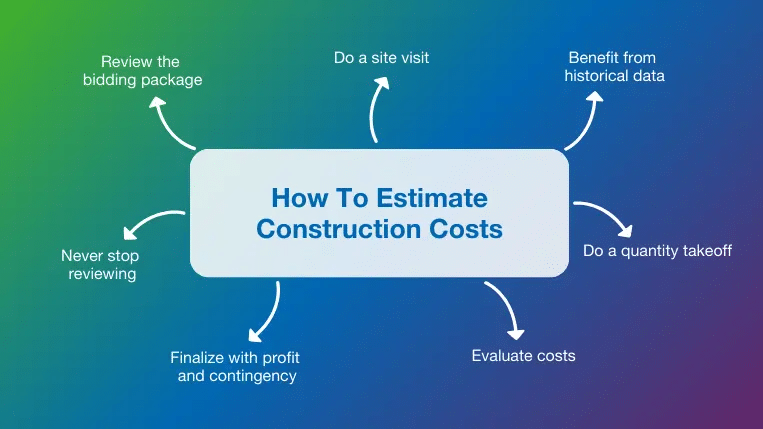
Construction estimating is the process of calculating the total cost of a construction project before work begins. It involves analyzing project plans and specifications to determine material quantities, labor hours, equipment requirements, and subcontractor costs required to complete the job. A well-prepared estimate serves as the financial backbone of any project, guiding procurement decisions, bidding strategies, and budget management throughout the construction process.
The Role of a Residential Construction Estimator
In the residential sector, a construction estimating company plays a vital role in keeping home-building projects financially viable. Whether the project involves a single-family home, a duplex, or a large housing development, accurate cost forecasting is non-negotiable.
A skilled residential construction estimator is responsible for:
- Reviewing architectural drawings and blueprints to identify all scope items
- Calculating material quantities needed for foundations, framing, roofing, insulation, and finishes
- Estimating labor costs based on local wage rates and productivity standards
- Factoring in overhead, profit margins, and contingency allowances
- Identifying potential cost risks before construction begins
By catching discrepancies and pricing gaps early, a residential construction estimating service helps builders avoid costly surprises once work is underway. Their insights are particularly valuable when comparing bids from subcontractors and suppliers, ensuring the project owner gets the best value without compromising quality.
How Construction Estimating Controls Project Costs
Accurate construction estimating directly impacts cost control in several important ways:
1. Establishes a Realistic Budget
One of the most fundamental benefits of construction estimating is that it sets a realistic financial baseline before the first shovel hits the ground. A detailed estimate breaks down every cost category , from site preparation and structural work to mechanical systems and finishing , so that project owners and contractors have a clear understanding of total expenditure. Without this foundation, it is nearly impossible to manage spending effectively or allocate resources where they are needed most.
2. Prevents Scope Creep
Scope creep , the gradual expansion of a project beyond its original boundaries, is one of the leading causes of budget overruns. When a detailed estimate is in place from the beginning, any additions or changes to the project scope can be immediately assessed for their cost impact. This allows project managers to make informed decisions about whether to approve changes and how to fund them, keeping the project within its approved financial limits.
3. Improves Procurement and Purchasing
Knowing exactly how much material is needed before purchasing begins prevents both overstocking and material shortages. Overstocking leads to wasted expenditure and storage problems, while shortages cause delays that drive up labor costs. A precise estimate ensures procurement teams order the right quantities at the right time, reducing waste and enabling better negotiation with suppliers.
The Importance of Construction Takeoff Services
At the heart of every accurate estimate lies a thorough quantity takeoff. Construction estimating services involve the precise measurement and enumeration of all materials required for a project, directly from architectural drawings and specifications. Without an accurate takeoff, even the best pricing data will produce a flawed estimate.
Professional construction takeoff services offer several key advantages:
- Accuracy: Detailed measurement of every material eliminates guesswork and reduces the risk of costly errors
- Speed: Digital takeoff tools process complex drawings faster than manual methods, accelerating the bidding process
- Consistency: Standardized processes ensure all items are captured, reducing the likelihood of missing key components
- Cost Savings: Precise material quantities prevent over-ordering and reduce waste on the job site
- Better Bidding: Contractors who use reliable construction takeoff services submit more competitive and profitable bids
By outsourcing or investing in professional construction takeoff services, builders and estimators can focus their expertise on pricing strategy and client communication rather than spending hours on manual measurements. This efficiency translates directly into lower estimating costs and faster turnaround times on proposals.
Technology’s Role in Modern Construction Estimating
The construction estimating industry has evolved significantly with the adoption of digital tools. Modern estimating software now allows teams to perform quantity takeoffs directly on digital blueprints, integrate real-time material pricing, and generate detailed cost reports in a fraction of the time required by traditional methods. Cloud-based platforms also improve collaboration, enabling project owners, contractors, and subcontractors to access the same estimate simultaneously and make data-driven decisions together.
Common Cost Control Mistakes Without Proper Estimating
When construction projects skip proper estimating or rely on rough approximations, the results can be financially damaging. Common mistakes include:
- Underestimating labor costs due to inaccurate productivity assumptions
- Omitting allowances for site conditions, weather delays, or permit fees
- Failing to account for material price fluctuations during the project timeline
- Overlooking subcontractor scope gaps that lead to disputes and extra costs
Conclusion
Construction estimating is far more than a pre-bid formality; it is a continuous cost-management tool that supports every phase of a project. From the initial budget to the final invoice, a well-executed estimate helps teams stay financially disciplined, make smarter procurement decisions, and deliver projects profitably. Whether you rely on an in-house residential estimator or partner with a specialist firm, investing in accurate estimating and reliable construction takeoff services is one of the smartest decisions any contractor or developer can make.

