


Creative work has always evolved alongside technology. From the first digital cameras to modern editing software, every new tool has made it easier for people to express ideas visually. Today, another shift is happening as artificial intelligence begins to play a larger role in design and video creation. Instead of spending hours learning complicated software, creators can now transform simple text prompts into engaging visuals and short videos.
This new wave of creativity is powered by ai design a concept that blends artificial intelligence with visual storytelling. It allows individuals, marketers, and small businesses to produce professional content faster than ever before. One of the most exciting developments in this space is the free ai video generator from text, a tool that converts written descriptions into animated clips or full videos.
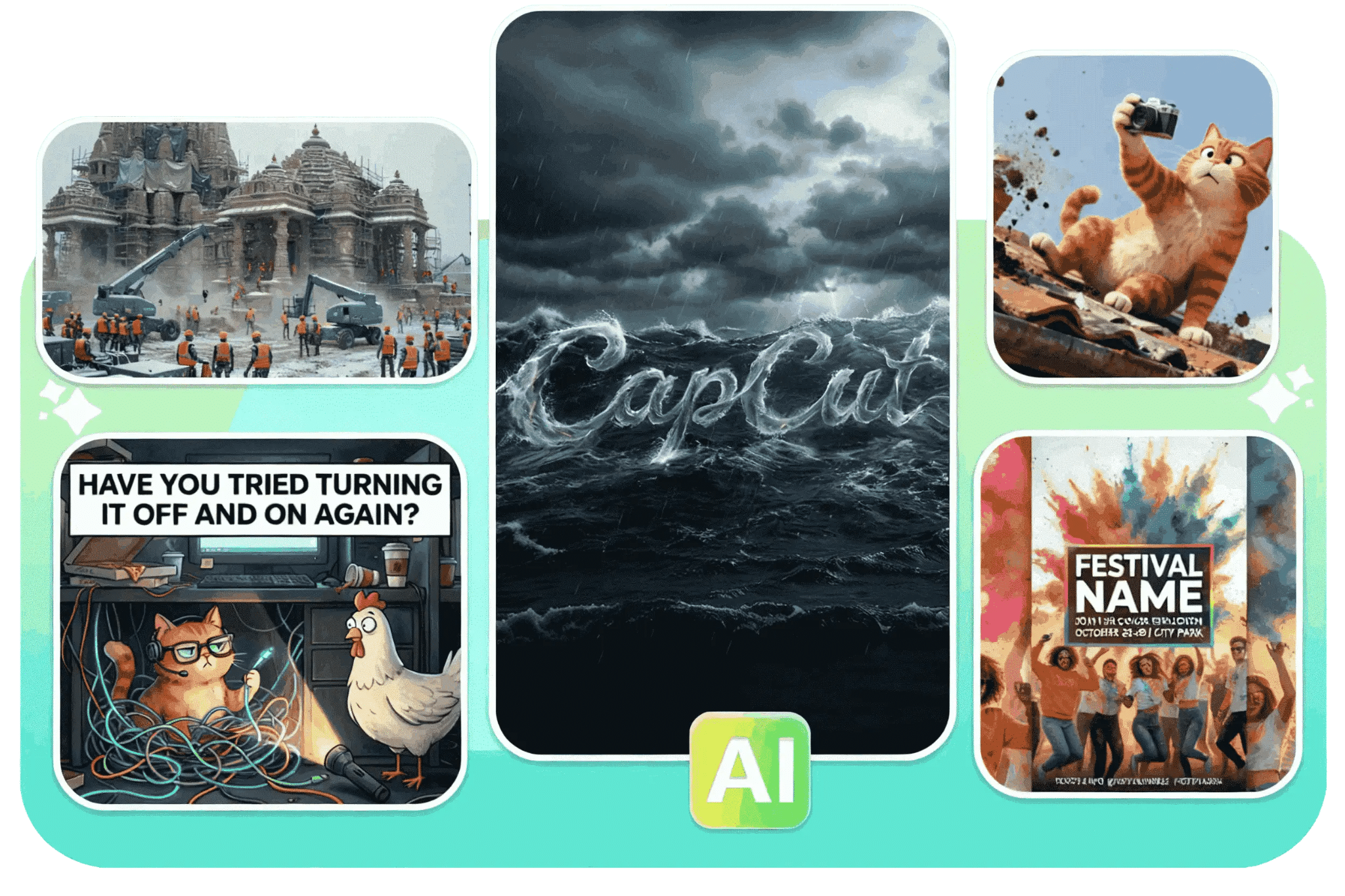
Together, these technologies are reshaping how digital content is made, shared, and experienced.
The evolution of visual content creation
In the past, producing high-quality videos required expensive equipment and specialized knowledge. Video editing programs had steep learning curves, and creating even a short promotional video could take several days.
Over time, software became more user-friendly, but the process still required creativity, patience, and technical skill. Designers needed to understand color theory, motion graphics, typography, and storytelling techniques. While these skills remain valuable, artificial intelligence has introduced a new layer of assistance.
Modern ai design platforms analyze patterns in images, videos, and design styles. By learning from massive datasets, they can recommend layouts, generate visuals, or even animate scenes automatically. This doesn’t replace human creativity; instead, it speeds up the process and removes many technical barriers.
For creators who once felt overwhelmed by design tools, AI-powered platforms offer a welcoming entry point.
How text to video technology works
One of the most fascinating innovations in digital media is the free ai video generator from text. These systems take written descriptions and transform them into visual sequences.
At a basic level, the technology relies on natural language processing and image generation models. When a user enters a prompt such as “a sunset over a quiet beach,” the system interprets the words, identifies visual elements, and creates corresponding images or animations.
The process usually follows three main steps:
1. Text understanding
The AI analyzes the prompt to identify key elements such as objects, locations, actions, and mood. This step ensures that the generated video reflects the original idea.
2. Visual generation
After understanding the text, the system produces images or short clips that represent the scene. These visuals can include backgrounds, characters, and motion effects.
3. Video assembly
Finally, the platform combines these elements into a complete video sequence. It may add transitions, music, subtitles, or voice narration depending on the chosen settings.
The result is a video that once required hours of editing but can now be produced within minutes.
Why AI tools are gaining popularity
The rapid growth of AI-driven creative tools is not surprising. Several practical advantages make them attractive to both beginners and professionals.
Speed and efficiency
Traditional video production can take days or even weeks. With a free ai video generator from text, creators can produce a visual story in a fraction of that time. This speed is especially valuable for marketers who need fresh content regularly.
Accessibility for beginners
Not everyone has experience with design software. AI tools simplify complex processes, allowing users to focus on ideas instead of technical details.
Cost savings
Hiring designers or video editors can be expensive for startups and small businesses. AI-powered platforms provide an affordable alternative while still producing professional results.
Creative experimentation
Because the process is quick, creators can test multiple concepts without investing significant time or resources. This freedom encourages experimentation and innovation.
These benefits explain why AI-assisted creativity has become a growing trend across many industries.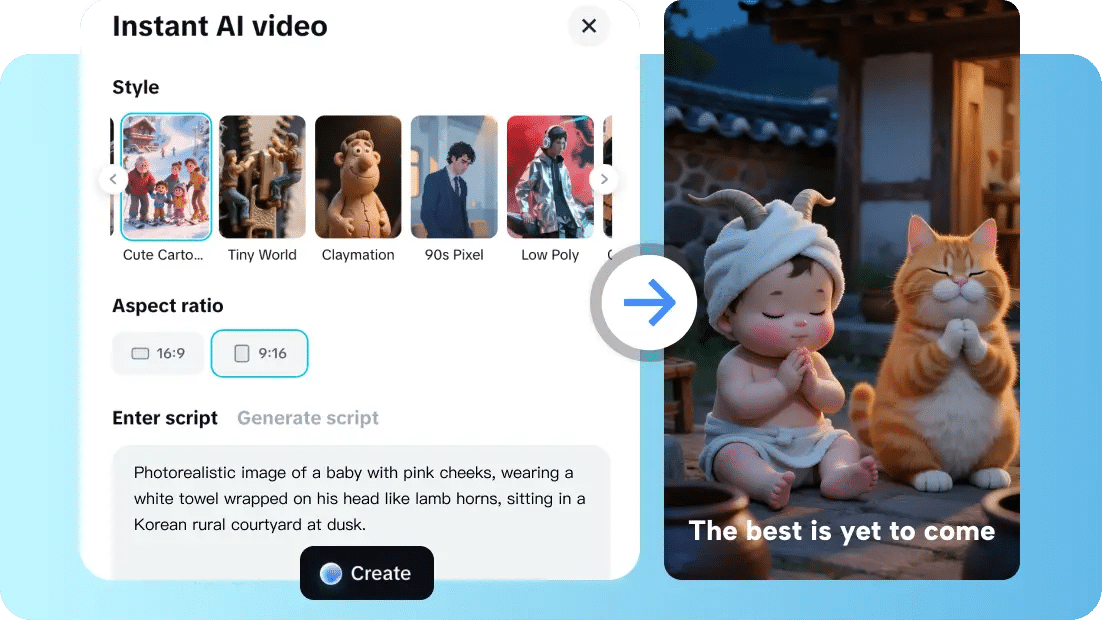
The role of AI in modern design
While text-to-video technology is impressive, it is only one part of a much broader transformation. The principles of ai design are influencing everything from website layouts to product packaging.
AI systems can analyze user behavior, identify visual trends, and suggest design elements that improve engagement. For example, a platform might recommend color combinations that attract attention or automatically adjust a layout for mobile screens.
Designers often use AI as a collaborative tool rather than a replacement for their skills. The technology can generate ideas quickly, but human judgment remains essential for refining concepts and ensuring that the final result communicates the intended message.
In this way, AI acts more like a creative partner than an automated artist.
Practical uses for text to video tools
As these technologies continue to evolve, they are finding applications in many different fields. A free ai video generator from text can be used for tasks that once required entire production teams.
Marketing and advertising
Businesses use short videos to promote products, explain services, and connect with audiences on social media. Text-to-video tools make it possible to create promotional clips quickly.
Education and training
Teachers and trainers can turn written lessons into visual explanations, helping students understand complex ideas more easily.
Content creation
Bloggers, YouTubers, and social media creators use AI tools to transform written scripts into engaging visual stories.
Storytelling and entertainment
Writers and filmmakers are experimenting with AI-generated visuals to explore new forms of storytelling.
In each of these areas, AI expands the possibilities for creativity while reducing production time.
Balancing automation and creativity
Despite the excitement surrounding AI tools, it is important to remember that technology alone does not create meaningful content. A powerful design still begins with a clear message and a strong idea.
The best results often come from combining human imagination with intelligent software. A creator might write a compelling script, then use ai design tools to develop visuals and animations that bring the story to life.
This balance ensures that technology enhances creativity rather than replacing it.
Looking toward the future
Artificial intelligence will likely continue to shape the creative landscape in the coming years. As algorithms improve, we can expect even more realistic visuals, smoother animations, and greater customization.
Future platforms may allow users to generate entire films from detailed scripts or collaborate with AI systems that understand personal design preferences. At the same time, ethical considerations such as originality, copyright, and transparency will become increasingly important.
What remains certain is that creative technology will keep evolving, offering new opportunities for storytellers, educators, and businesses alike.
Conclusion
The rise of AI-powered creative tools marks an exciting moment in the history of digital media. Through the power of ai design, complex visual tasks are becoming simpler and more accessible to a wider audience.
At the same time, innovations like the free ai video generator from text demonstrate how quickly ideas can move from imagination to screen. What once required professional studios can now be accomplished with a few lines of text and the right platform.
Ultimately, these tools do not replace creativity; they expand it. By combining human insight with intelligent technology, creators can turn simple concepts into compelling visual stories and share them with the world more easily than ever before.

