


Medicine’s changing fast these days, mostly thanks to machine learning and smarter ways of handling data. Sure, big hospitals get the headlines, but the real difference shows up in your local health clinics. Walk into a cosmetic dentistry North York office—one people actually trust—and you’ll notice it right away. Maybe you book your appointment online in seconds, or maybe your dentist checks a digital scan before giving advice. These smart tools aren’t just fancy add-ons. They save time, help catch problems earlier, and make your care feel a whole lot more personal.
The Power of Predictive Diagnostics
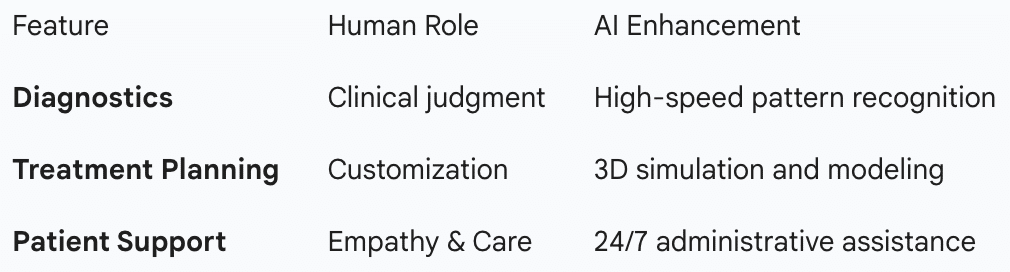
Digital intelligence in healthcare can catch things people just can’t see. Sure, traditional diagnostic tools work well, but they usually come from one perspective. Now, with modern software, you can scan thousands of data points from a 3D image or digital X-ray. This tech picks up on the tiniest problems—stuff that could turn into major pain if nobody catches it early.
So what does this mean for you? Treatments get smaller and less stressful. No more waiting for a cavity to get worse or for some hidden issue to suddenly hurt. With predictive data, your care team can jump in before things get bad, sparing you time and discomfort.
Personalization Through Data
Everyone’s biology is a little different, and finally, technology is catching up. Instead of just patching you up in the moment, smart systems keep an eye on your health trends over the years.
Risk Assessment: Software digs through your medical history, spots patterns, and figures out if you’re at risk for certain conditions. That way, your prevention plan actually fits you.
Digital Smile Design: Need restorative work? Modeling software can show you exactly how you’ll look before anything happens. You see your future smile before you ever sit in the chair.
Smart Reminders: Automated follow-ups send instructions and reminders that match the specific procedure you just had, so you’re not left guessing about aftercare.
A Future of Working Together
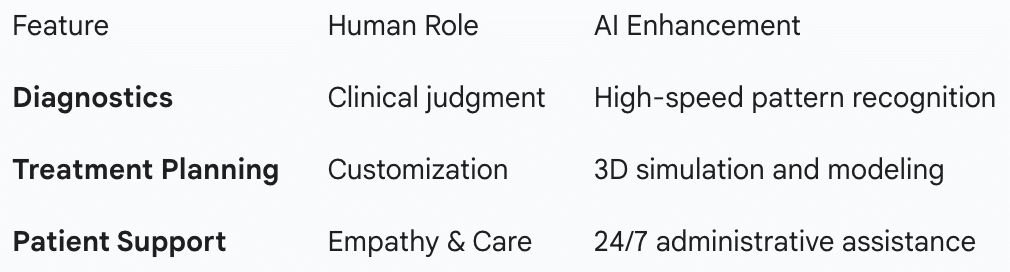
These new technologies are not meant to replace the personal connection that makes a great healthcare experience. Instead, the goal is to take care of the “heavy lifting” of the technical and administrative work so that your doctor or dentist can focus only on you. When a computer takes care of the scheduling and initial data analysis, your provider has more time to talk to you one-on-one, show you empathy, and be precise by hand.
By using these tools, local practices are making sure that the future of health and wellness is not only better, but also more focused on people. This symbiosis makes it easier to predict how well surgery will go and allows for a level of detail in monitoring the recovery process that was not possible before.
How long integrated care lasts
The health industry is now more interested in how long people live. AI helps us change our way of thinking from “fix” to “preserve.” By keeping an eye on data all the time and comparing it to global health standards, doctors can recommend changes to a person’s lifestyle or small procedures that will keep them from needing major surgery later in life. The best thing about modern health technology is that it gives everyone the tools they need to stay healthy for as long as possible.
As these technologies get better, the difference between “standard care” and “exceptional care” will grow. Data-driven clinics are leading the way to a healthier, more balanced future.

