


Operating a large commercial vehicle involves a constant balance of mechanical precision and driver skill on our busy highways today. Most people assume that the majority of collisions are caused by human error or poor weather conditions during the trip. However, a significant number of incidents are actually rooted in the physical state of the machine itself.
When a critical component fails at high speed, the driver is often left as a passenger in an uncontrollable and massive rig. These hidden mechanical issues can range from worn out tires to complex electronic faults that compromise the safety of everyone. Identifying these flaws requires a deep dive into the history and the daily maintenance of the fleet.
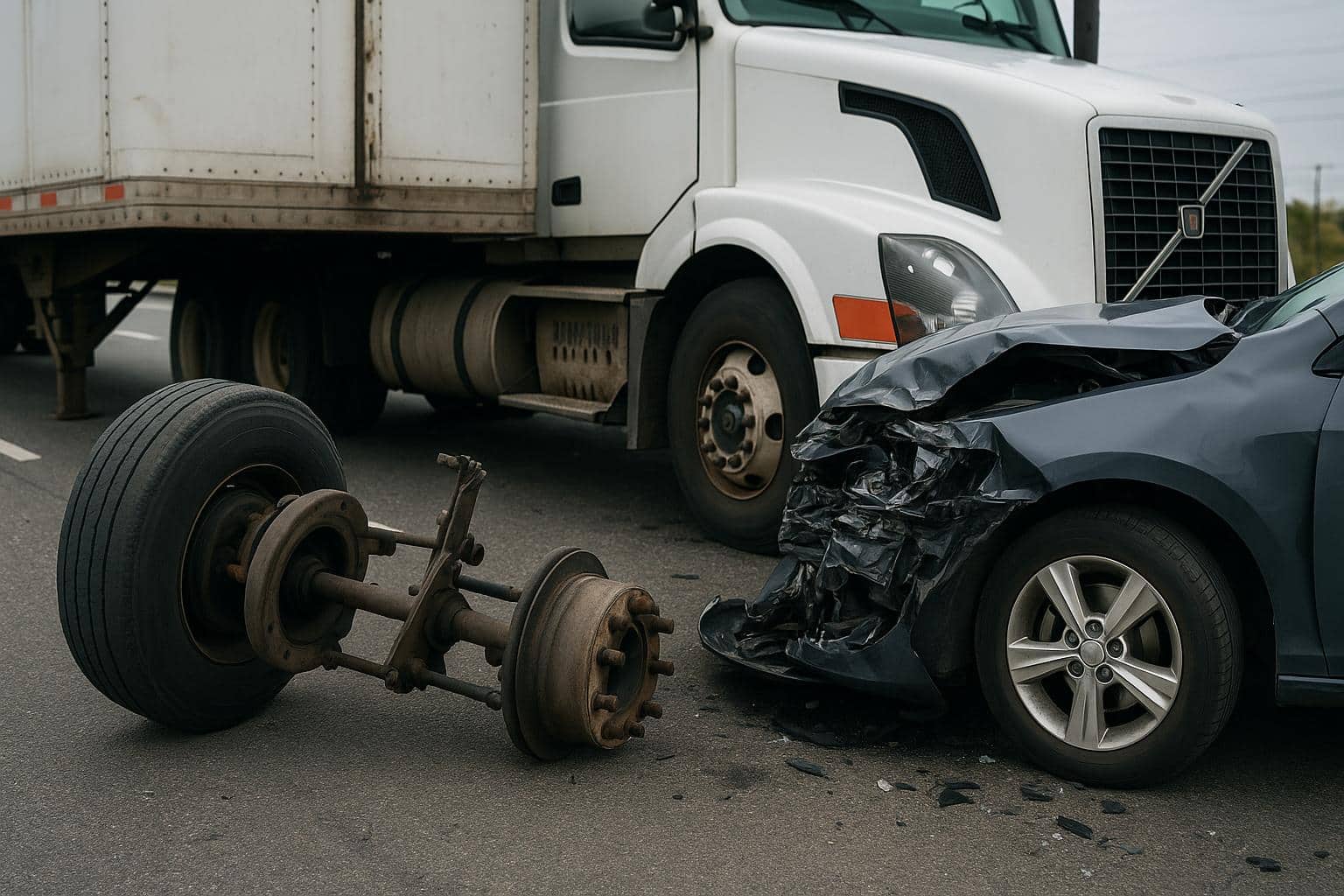
Uncovering the truth about a crash often leads back to a pattern of neglect within the trucking company or a manufacturer. It is essential to investigate the specific causes of equipment failure accidents to protect your legal and financial rights after a trauma. Staying informed helps survivors find the justice and the stability they need.
Brake System Failures And Overheating
The braking system of a heavy truck is the most vital safety feature designed to manage the immense momentum of a loaded trailer. These components face extreme heat and pressure every time the driver attempts to slow down on a steep hill or in heavy traffic. Maintaining these systems is a fundamental requirement for every commercial fleet today.
When a company skips regular inspections, the brake pads can wear down to dangerous levels that lead to a sudden and total failure. Overheating is a common result of poor maintenance habits that prevents the truck from stopping effectively before a hazard on the road. This negligence turns a routine drive into a very serious disaster.
Failure in the stopping system is a leading cause of high speed rear end collisions that result in catastrophic harm for others. Proving that the brakes were not functional is a primary part of any legal investigation into a commercial crash today. Accountability ensures that these companies prioritize safety over their own corporate and financial profits.
Steering Column And Suspension Issues
Maintaining directional control of a massive rig requires a perfectly functioning steering column and a robust and stable suspension system at all times. These parts work together to ensure that the driver can navigate through tight curves and avoid sudden obstacles on the busy highway. Any loss of this control creates a life altering and dangerous situation.
Worn out tie rods or a failing steering pump can make it impossible for an operator to keep the vehicle in its lane. Additionally, a collapsed suspension component can cause the truck to pull violently to one side during a simple maneuver or a stop. These mechanical defects prevent the driver from acting safely in an emergency.
A loss of steering is often the result of long term neglect or a hidden manufacturing flaw in the heavy duty equipment. Identifying these specific failures helps build a strong case for liability against the fleet owner or the parts maker. Professional evaluation ensures that the true cause of the collision is found for the victims.
The Impact Of Defective Lighting And Signals
Visibility is the foundation of safety during the dark early morning hours when many commercial trucks are moving across the busy state. Functional lighting and turn signals are essential for communicating with other motorists and preventing confusion on the high speed paths. Every driver relies on these silent signals to navigate through the nighttime traffic flow.
When a truck operates with non functional brake lights or dim headlights, it becomes a massive and invisible hazard for everyone nearby. Other drivers may not realize the rig is stopping or turning until it is too late to avoid a violent strike. This lack of communication is a primary factor in many preventable accidents.
Maintaining the electrical systems of the trailer is a mandatory requirement that is often ignored by companies looking to save time. These small defects can lead to major catastrophes that change the lives of innocent families in an instant on the road. Proper lighting is a vital and serious part of modern and professional trucking safety.
Investigating Maintenance Logs And Black Box Data
Modern commercial vehicles leave behind a detailed digital footprint that provides an objective look at the mechanical state of the machine. Investigators utilize maintenance logs and black box data to see exactly how the rig performed in the moments before a collision occurred. This information is a silent and very powerful witness to the actual truth.
Electronic records can show if a warning light was ignored or if a necessary repair was postponed by the maintenance crew. By matching these logs to the timing of a crash, a legal team can prove that the company acted with neglect. This evidence is difficult for any insurance firm to ignore during a dispute.
Accessing this data requires a quick response to ensure that the files are not deleted or overwritten by the trucking company. Professional teams know how to secure these records and use them to build a compelling argument for their clients. Digital forensics is the key to uncovering the patterns of corporate and mechanical neglect.
Holding Manufacturers And Fleet Owners Accountable
Holding the right parties accountable for a mechanical failure involves a strategic approach to the facts and the law of our region. In some cases, the trucking company is liable for poor maintenance, while in others, the manufacturer is responsible for a defect. Sorting through these layers of liability is a vital part of the recovery.
Legal strategies focus on recovering damages for medical bills, lost wages, and the long term trauma caused by the equipment failure. By identifying the root cause of the crash, an advocate can secure a much fairer settlement for the family involved. This pursuit of justice encourages higher standards across the entire and very busy industry.
Reaching a final resolution allows survivors to put the traumatic event behind them and focus on your future health and personal stability. It provides a sense of closure that is essential for a healthy recovery after a sudden and violent event. Justice is served when equipment failure accidents are investigated with total and complete care.

