


Discomfort And Pain With Invisalign In Irvine
Starting with Invisalign in Irvine can feel a bit strange at first. It’s totally normal to experience some discomfort or pressure when you first put in a new set of aligners. This is actually a good sign – it means the aligners are doing their job, gently shifting your teeth into their new positions. Think of it like breaking in a new pair of shoes; there’s a little adjustment period.
Understanding Initial Pressure
When you pop in a fresh set of aligners, you’ll likely feel a snugness and maybe even a bit of pressure. This sensation is your teeth responding to the subtle forces applied by the aligner. It’s not usually sharp pain, but more of a dull ache or a feeling of tightness. This is most noticeable in the first day or two after switching to a new aligner. The pressure is what guides your teeth, so while it might be a little uncomfortable, it’s a necessary part of the process.
- Discomfort And Pain With Invisalign In Irvine
- Understanding Initial Pressure
- Managing Soreness With Over-the-Counter Options
- When To Seek Professional Help From Your Irvine Orthodontist
- Trouble With Invisalign Attachments
- Invisalign Aligners Not Fitting Properly
- Speech Impediments While Wearing Aligners
- The Lisping Effect Explained
- Practicing To Improve Pronunciation
- Tips For Clearer Speech With Invisalign
- Maintaining Oral Hygiene With Invisalign
- Challenges Of Cleaning Aligners
- Effective Brushing And Flossing Techniques
- Preventing Bad Breath And Stains
- Addressing Aligner Tracking Issues
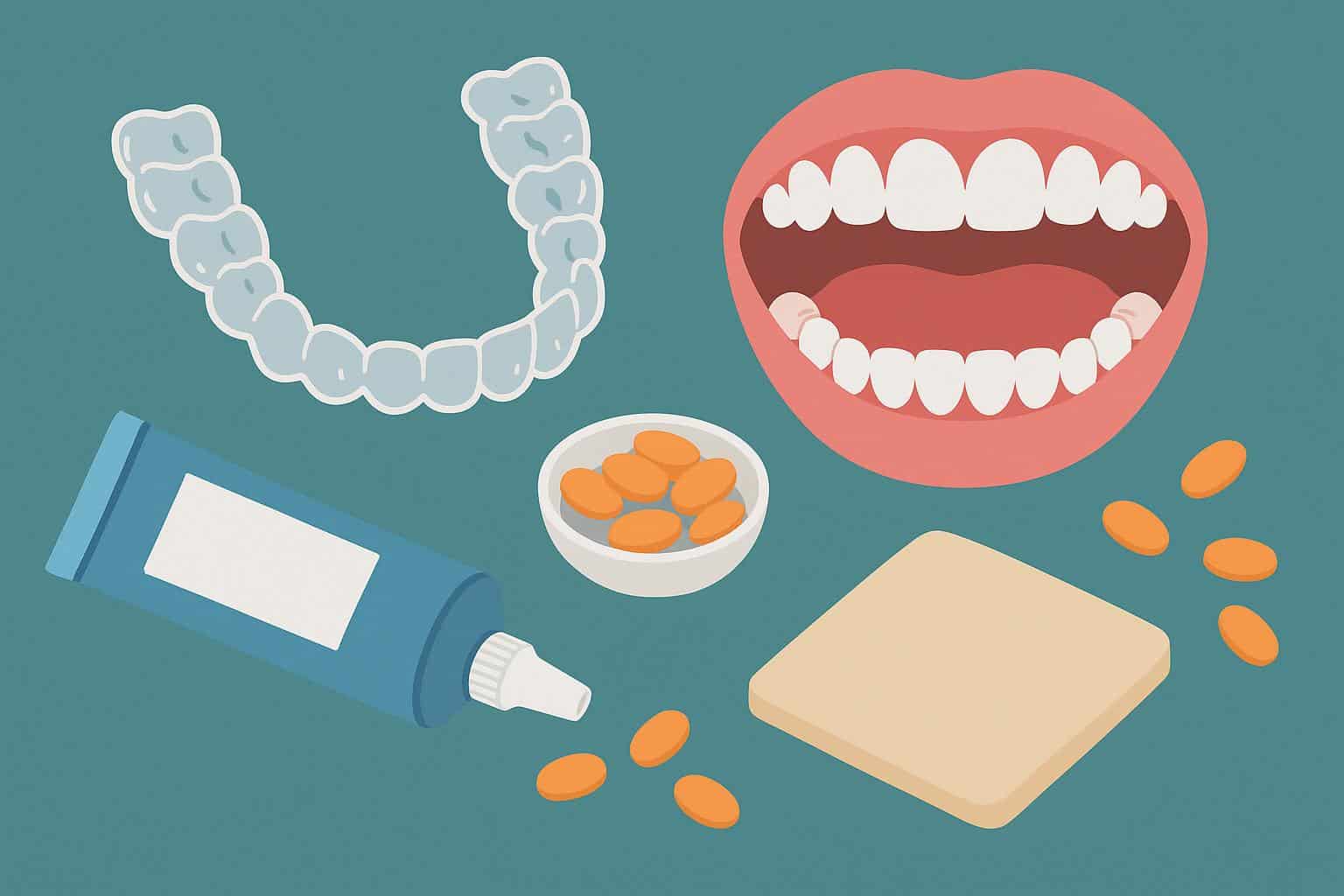
Managing Soreness With Over-the-Counter Options
If you’re feeling a bit sore, there are simple things you can do at home. Over-the-counter pain relievers can help take the edge off. Ibuprofen or acetaminophen are usually fine, but it’s always a good idea to check with your dentist or orthodontist first, especially if you have any other health conditions.
- Warm salt water rinses: These can be soothing for your gums.
- Cold compresses: Applying a cold pack to your jaw can help reduce any swelling or tenderness.
- Chewing on soft foods: Avoid anything too hard or chewy that might put extra pressure on your teeth.
When To Seek Professional Help From Your Irvine Orthodontist
Most of the time, the discomfort is temporary and manageable. However, there are times when you should reach out to your Irvine orthodontist at Nova Dental Studio. If the pain is severe, doesn’t go away after a few days, or if you notice any cuts or sores inside your mouth that aren’t healing, it’s time to get it checked out. Sometimes, an aligner might have a rough edge, or you might be experiencing a reaction that needs professional attention. Don’t hesitate to call us if something feels really off.
It’s important to remember that while Invisalign is designed to be comfortable, some level of adjustment is expected. Your orthodontist is there to guide you through any issues, big or small, ensuring your treatment progresses smoothly and with as little discomfort as possible.
Trouble With Invisalign Attachments
Sometimes, Invisalign treatment involves small bumps called attachments. They’re bonded to your teeth and help the aligners grip better, guiding your teeth into place. While they’re usually pretty smooth, they can occasionally cause some irritation or even come loose. If you’re experiencing issues with these attachments, don’t worry, there are ways to manage them.
What Are Invisalign Attachments?
Invisalign attachments are tiny, tooth-colored composite shapes that your orthodontist applies to specific teeth. Think of them as little handles. They give the clear aligners something to push and pull against, making the whole tooth-moving process more efficient. They’re designed to be discreet, but their presence is key to how Invisalign works its magic. They are a big part of why Invisalign is so effective for many patients.
Addressing Attachment Irritation
It’s not uncommon to feel a bit of rubbing or soreness from attachments, especially when you first get them. Your mouth just needs time to get used to them. Here are a few things you can try:
- Orthodontic Wax: This is your best friend. You can get it at most drugstores. Just roll a tiny bit into a ball and press it over the offending attachment to smooth out any rough edges.
- Saltwater Rinses: A warm saltwater rinse can help soothe any minor irritation or inflammation in your gums.
- Check Your Aligners: Sometimes, the aligner itself might have a sharp edge that’s pressing on the attachment. If you notice this, mention it to your orthodontist.
If the irritation is persistent or severe, it’s always a good idea to reach out. Your orthodontist can often smooth down the attachment or make minor adjustments.
Attachment Popping Off: What To Do
It happens! An attachment might come loose or fall off completely. Don’t panic. The most important thing is to:
- Keep Your Aligners In: Even without the attachment, try to wear your current aligner as much as possible. This prevents your teeth from shifting backward.
- Contact Your Orthodontist: Call your dental provider, like Nova Dental Studio, as soon as you can. They’ll need to re-bond the attachment.
- Bring Both: If the attachment fell off, bring it with you to your appointment if you can find it. It might save them a step.
Missing an attachment for too long can slow down your treatment progress, so getting it fixed promptly is key to staying on track with your Invisalign journey in Irvine.
Invisalign Aligners Not Fitting Properly
Sometimes, your Invisalign aligners might not feel like they’re snapping into place perfectly. It’s a common hiccup, and if you’re experiencing this with your invisalign, don’t panic. There are usually straightforward reasons why this happens, and thankfully, solutions are available. A proper fit is key for your treatment to work as intended.
Common Causes For Poor Fit
Several things can lead to an aligner not seating correctly. It’s not always a sign that something is seriously wrong, but it does need attention.
- Skipping Wear Time: If you haven’t been wearing your aligners for the recommended 20-22 hours a day, they might not fit the next set properly. Your teeth need that consistent pressure to move.
- Not Switching on Time: Moving to the next aligner too early or too late can throw off the whole sequence. Each aligner is designed for a specific period.
- Previous Aligner Issues: If the aligner before the current one didn’t fit well, it could affect how the new one seats.
- Changes in Your Mouth: Sometimes, minor things like a new filling or a chipped tooth can subtly alter how an aligner fits.
Ensuring Proper Aligner Seating
Getting your aligners to fit snugly is pretty important. Here’s how you can help them along:
- Bite Down Gently: Once you put the aligner in, bite down gently on a piece of clean gauze or a cotton roll for a few minutes. This helps to push the aligner into all the nooks and crannies of your teeth.
- Check All Sides: Make sure the aligner is fully seated around every tooth. You should feel a slight pressure, but no major gaps.
- Clean Your Teeth: Always put your aligners in after brushing and flossing. Food particles can prevent a good fit.
If you’re consistently having trouble getting your aligners to seat properly, even after trying these tips, it’s a good idea to reach out. Don’t force them, as this could potentially damage the aligner or your teeth.
Consulting Your Irvine Invisalign Provider
If you’ve tried the seating techniques and you’re still finding that your aligners aren’t fitting right, it’s time to call your orthodontist. At Nova Dental Studio, we understand that these little issues can be frustrating. We can help figure out what’s going on. They might need to:
- Check if you’re wearing the aligners enough.
- See if you’re ready for the next set or if you need to stay in the current one longer.
- Adjust or replace the aligner if it’s defective.
- In some cases, they might need to add or adjust attachments to help the aligner grip your teeth better.
Speech Impediments While Wearing Aligners
It’s pretty common to notice a slight lisp or change in your speech when you first start wearing Invisalign aligners. This is usually temporary, and most people get used to it pretty quickly. At Nova Dental Studio, we see this all the time with patients getting Invisalign.
The Lisping Effect Explained
When you put in a new set of clear aligners, they take up a little extra space in your mouth. This changes how your tongue interacts with your teeth and the roof of your mouth. Because the aligners are smooth and cover your teeth, the air passing over your tongue can sound different, especially with ‘s’ and ‘sh’ sounds. It’s like trying to talk with a small pebble in your mouth – your tongue has to work a bit harder to make the right sounds.
Practicing To Improve Pronunciation
Don’t worry, you won’t sound like that forever! The key is practice. The more you talk, the faster your mouth will adjust to the new feel of the aligners. Here are a few things that can help:
- Read Aloud: Pick up a book or magazine and read out loud for a few minutes each day. This helps retrain your tongue.
- Talk to Friends and Family: Engage in conversations. The more you speak normally, the quicker you’ll adapt.
- Practice Specific Sounds: If you notice certain sounds are harder, like ‘s’ or ‘z’, try saying words with those sounds repeatedly.
Tips For Clearer Speech With Invisalign
Getting used to speaking with aligners is a process, but there are ways to speed it up. Your mouth is surprisingly adaptable, and with a little effort, you’ll be speaking clearly again in no time.
Many patients find that the initial speech changes are more noticeable when they’re tired or stressed. Staying hydrated and taking deep breaths can sometimes help improve clarity.
If you’re getting Invisalign and find that your speech issues aren’t improving after a couple of weeks, or if they’re really bothering you, don’t hesitate to reach out to your orthodontist at Nova Dental Studio. They can check your aligner fit and offer more specific advice.
Maintaining Oral Hygiene With Invisalign
Challenges Of Cleaning Aligners
Keeping your mouth clean is always important, but with Invisalign, there’s an extra step. You’ve got these clear aligners that sit right on your teeth. If you don’t clean them properly, or if you don’t clean your teeth well before putting them back in, you can run into problems. Food bits can get stuck under the aligners, and that’s not good for your teeth or gums. Plus, the aligners themselves can get a bit grimy if you’re not careful. It’s a bit more involved than just brushing your teeth like you used to. At Nova Dental Studio, we see patients who sometimes struggle with this at first, but it gets easier with practice.
Effective Brushing And Flossing Techniques
When you have Invisalign, your routine needs a slight adjustment. It’s not super complicated, though. You’ll want to take your aligners out before you brush and floss. This is your chance to really get in there and clean your teeth thoroughly. Think about spending a little extra time on each tooth. For flossing, make sure you’re getting between every tooth. Some people find it helpful to use a water flosser alongside traditional floss, especially around the areas where attachments might be. After you’ve cleaned your teeth and the aligners, you can pop them back in. The key is to never put aligners back onto unbrushed teeth.
Here’s a quick rundown:
- Remove your aligners.
- Brush your teeth like you normally would, paying attention to all surfaces.
- Floss between every tooth.
- Rinse your mouth.
- Clean your aligners (more on that next).
- Reinsert your aligners.
Preventing Bad Breath And Stains
Nobody wants bad breath or stained aligners. With Invisalign, you can avoid these issues by being diligent. Always rinse your mouth after eating or drinking anything other than water before putting your aligners back in. This simple step removes food particles that could cause odor or discoloration. For cleaning the aligners themselves, avoid using colored mouthwash or harsh toothpaste, as these can stain or damage the plastic. A gentle soap or a special Invisalign cleaning solution works best. If you’re a coffee or tea drinker, you might notice your aligners picking up some color over time. Rinsing thoroughly after consuming these drinks can help minimize staining. Your team at Nova Dental Studio can also give you specific tips tailored to your situation.
Keeping your aligners clean is just as important as keeping your teeth clean. A dirty aligner can harbor bacteria, leading to bad breath and potentially affecting your oral health. Make it a habit to clean them every time you brush your teeth.
Addressing Aligner Tracking Issues
Sometimes, your Invisalign aligners might not seem to be fitting quite right, or your teeth aren’t moving like they should. This is what we call an ‘aligner tracking issue.’ It’s a common hiccup that can happen with any orthodontic treatment, including Invisalign in Irvine. The good news is that most tracking problems can be fixed with a little help from your orthodontist.
Recognizing When Aligners Aren’t Tracking
How do you know if your aligners aren’t tracking properly? It’s usually pretty noticeable. You might feel a gap between your aligner and your teeth, especially near the gum line. Sometimes, the aligner might feel loose or just not snug like it used to. Another sign is if your teeth don’t feel like they’ve moved much from one aligner to the next, even though you’ve been wearing them consistently. It’s like your teeth are resisting the movement the aligner is trying to make.
The Role Of Elastics And Power Ridges
Your orthodontist might use a few tricks to help get your teeth moving correctly. Elastics are those little rubber bands you sometimes see people wearing with braces. With Invisalign, they can be attached to small buttons (attachments) on your aligners and teeth to apply specific pressure. Power ridges are tiny bumps or grooves built into the aligner itself. They work by creating a more precise fit against your teeth, giving the aligner a better grip to guide tooth movement. Think of them as little helpers built right into the plastic.
Orthodontist Interventions For Tracking Problems
If you’re noticing your aligners aren’t tracking well, don’t panic. The first step is always to contact your Irvine orthodontist. At Nova Dental Studio, we’ve seen this before and know how to handle it. They’ll likely want to see you to check things out. Depending on the issue, they might:
- Scan your teeth again: A new 3D scan can help create a revised treatment plan.
- Provide new aligners: Sometimes, a new set of aligners is needed to correct the tracking.
- Adjust attachments or add new ones: These little bumps can be modified or added to improve how the aligner grips your teeth.
- Prescribe elastics: As mentioned, elastics can provide the extra force needed to guide stubborn teeth.
It’s really important to be honest with your orthodontist about how consistently you’ve been wearing your aligners. Tracking issues can sometimes happen if aligners aren’t worn for the recommended 20-22 hours a day. They need that constant, gentle pressure to work effectively. So, if you’ve been slacking a bit, it’s best to mention it so they can help you get back on track without judgment.
So, while Invisalign can sometimes throw a few curveballs, like discomfort or trouble with attachments, it’s usually pretty straightforward to sort things out. Most of the time, a quick chat with your orthodontist in Irvine can get you back on track. They’ve seen it all before and know just the trick to fix whatever’s bothering you. Don’t let a little hiccup stop you from getting that smile you’ve been wanting. Just remember to keep them in the loop if something feels off, and you’ll be smiling confidently in no time.

