


As organizations in the United States increasingly prioritize wellness-focused office design and amenities, there is a growing examination of how aesthetics, organizational culture, and design influence productivity. Professionals are divided in their approach; some opt for cosmetic enhancements like botox to boost self-esteem and combat ageism in the workplace, while others appreciate creative office configurations that promote positivity, inclusivity, and health. Employers are recognizing the importance of office foot traffic and employee retention, and are evaluating how niche office furniture and wellness design contribute to employee satisfaction and productivity. Additionally, the ethical implications of cosmetic services must be considered within broader employee wellness initiatives, ensuring they align with the values fostered in the workplace.
In today’s rapidly evolving professional landscape, the concept of workplace well-being extends far beyond providing ergonomic chairs or adjustable desks. Increasingly, modern offices prioritize employee health, satisfaction, and personal confidence. With this shift, conversations about cosmetic procedures such as botox treatments have entered the workplace well-being dialogue—a trend the top-rated High Point MedSpa recommends as part of a broader approach to boosting staff morale and engaging professional teams.
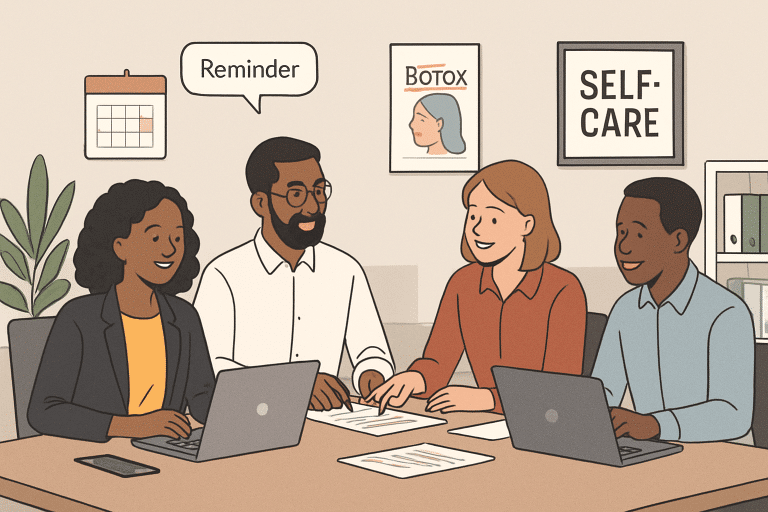
The Rise of Botox in Professional Settings
Professional perception and workplace success are often directly linked. In the United States, particularly in competitive business sectors, appearance and self-confidence can influence both hiring and promotional decisions. Research from the American Society of Plastic Surgeons indicates that non-surgical cosmetic procedures, including botox treatments, have become increasingly popular among office professionals aged 30 and above.
According to a study highlighted in Forbes, about 20 percent of workers over the age of 45 have considered injectables and other cosmetic options to enhance perceived employability. This emerging trend underscores silent pressures on seasoned professionals who wish to maintain a competitive edge or simply feel their best when participating in meetings, video calls, and social networking events. For those exploring treatment options, reviewing practical resources such as directions to High Point Medspa can be a helpful first step in planning a consultation and learning more about available services.
Addressing Ageism Through Aesthetic Procedures
Despite ongoing efforts to advance diversity and inclusion, age discrimination and appearance-based bias remain prominent in American workplaces. Many employees pursue botox treatments as a response to explicit or subtle ageism, hoping to align more closely with expected standards of professionalism or vibrance. While physical enhancements may offer a temporary boost in confidence, thought leaders argue it’s critical for employers to address systemic bias through policy reform and cultural change, not just cosmetic solutions.
Integrating Wellness into Office Design
Office design can profoundly influence employee well-being. An increasing number of US-based companies are investing in workplace renovations that prioritize light-filled environments, biophilic design, and advanced ergonomic solutions. Up-to-date niche office furniture, such as adjustable desks, sit-stand workstations, and supportive seating, can reduce physical fatigue and foster creative, collaborative spaces. According to the Harvard Business Review, exposure to natural light and well-designed office layouts have been shown to increase worker productivity by up to 20 percent.
Ethical Considerations of Cosmetic Perks in Wellness Programs
The growing trend of integrating cosmetic treatments in employer wellness perks raises important ethical questions. While some companies consider offering vouchers or coverage for botox treatments, well-intentioned employers must ensure that access is equitable and voluntary. The American Medical Association cautions against workplace policies that implicitly pressure workers into cosmetic enhancements. Instead, organizations should emphasize a comprehensive wellness approach, prioritizing mental and physical health, and offering voluntary aesthetic options only when employee-driven.
Enhancing Employee Confidence and Productivity
Beyond the physical outcomes, there is evidence to support that botox treatments can have positive psychological effects. Reports from the New York Times point to studies in which participants experienced improvements in mood, likely due to changes in facial expressions and reduced tension. Employers who focus on self-confidence as part of workplace culture may see upticks in output and engagement, especially when paired with supportive design and flexible work policies.
Creating Inclusive and Supportive Work Environments
Organizations that wish to attract and retain top talent must look at inclusivity holistically. Rather than focusing solely on aesthetic trends, the best American workplaces combine wellness initiatives, modern office furniture, accessible design, and flexible employee support systems. This ensures staff members feel valued for their experience, skills, and contributions, rather than for their outward appearance. The result is an environment that champions well-being and productivity for everyone, regardless of age or background.
Conclusion
The intersection of aesthetics, workplace well-being, and innovative office design is shaping the future of modern workspaces across the United States. Organizations that support both the physical and emotional well-being of their teams, not only with botox treatments but with ergonomic design, inclusivity, and ethical wellness policies, are best positioned for growth and sustainability. By making thoughtful, employee-driven choices, employers can foster environments where everyone thrives both professionally and personally.

