


Sony Honda Mobility has scrapped its Afeela electric cars, months after showing a “final” Afeela 1 sedan and a near-production SUV prototype. The joint venture said the program no longer has a viable path to market, and it will refund all reservation holders in full.
Why the Plug Was Pulled on Sony Honda’s Afeela EVs
Insiders point to a fundamental dependency: Afeela was set to leverage core technology from several upcoming Honda EVs for the North American market. When those donor programs were canceled, Afeela lost its underlying platform, supply base, and validation pipeline in one stroke—making an $89,900 launch car, once slated for initial deliveries in California, financially and technically untenable.
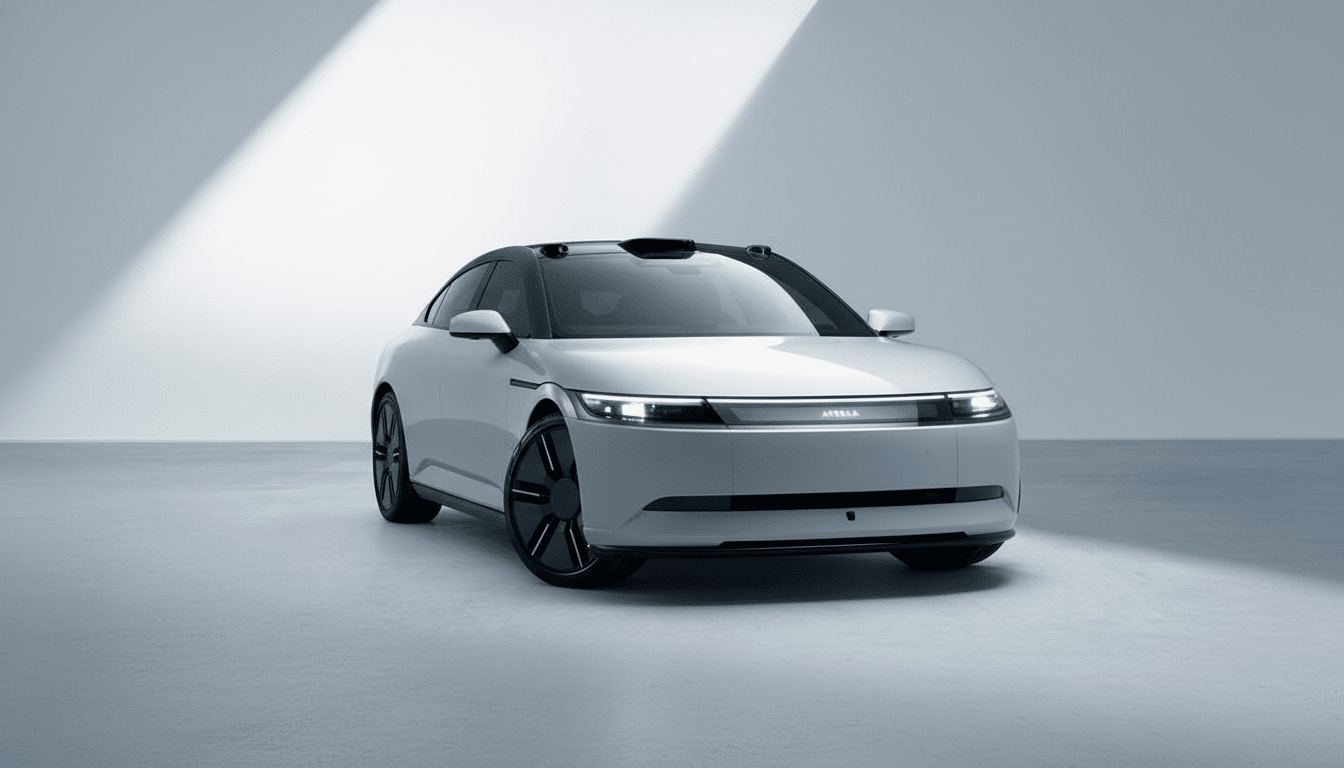
In modern automotive programs, the platform is the business case. Without shared batteries, e-axles, power electronics, and safety certification work spread across multiple models, the per-vehicle costs skyrocket. That’s doubly true when the car carries novel hardware for autonomy and in-cabin computing, as Afeela did.
An Entertainment-First Bet Met Auto Reality
Afeela promised something unusual: a rolling media device where autonomous capability would free occupants to dive into Sony content—games, films, and interactive experiences—delivered via a high-compute cockpit built on Qualcomm’s automotive platforms and graphics pipelines from partners like Epic Games. At CES demos, Sony leaned into a vision of the car as a console with wheels.
But the math was brutal. High-end sensors, compute, and displays increase bill of materials and power demands, while customers still judge EVs on range, charging speed, reliability, and price. According to Cox Automotive, EVs reached roughly 8% of US new-vehicle sales recently, but growth has cooled as affordability and charging access dominate buyer concerns. Kelley Blue Book data has shown EV transaction prices falling, yet they still trend above the market average—leaving less appetite for a nearly $90,000 first-gen tech showcase without a proven driver-assistance edge.
And autonomy remains stubbornly difficult. Level 3 and beyond requires years of validation across weather, geographies, and edge cases. Even established players continue to iterate. Delivering truly “lean back and stream” capability at scale was always likely to arrive later than the marketing.
Headwinds in a Shifting EV Market Challenge Afeela
The timing didn’t help. Battery costs fell dramatically over the last decade, but recent volatility in materials and supply chains has narrowed margins. Policy uncertainty added friction: evolving content and sourcing rules under US incentives caused several models to temporarily lose eligibility for federal credits at the start of recent model years, complicating consumer pricing and planning for automakers.
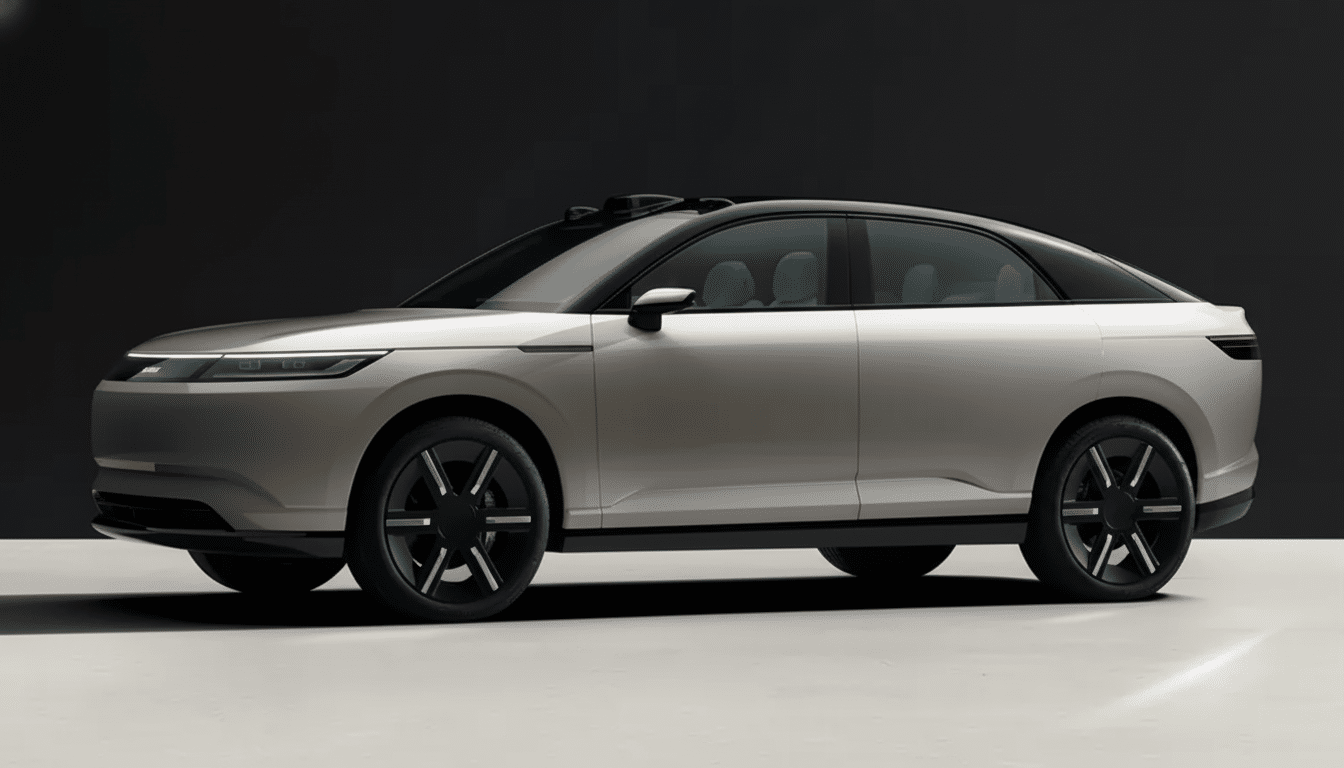
Honda has already shown a willingness to reset its EV roadmap. In 2023, Honda and GM abandoned plans for a line of sub-$30,000 EVs, citing economics—another signal that entry points are hard to hit without massive scale advantages. Meanwhile, luxury EV competition has intensified, with price adjustments and incentives across segments from Tesla to German brands pressuring newcomers to either undercut or dramatically outperform. Afeela, first positioned as an $89,900 tech-forward sedan, risked being stranded in the middle.
Vaporware Verdict and What Comes Next for Afeela
For critics who long called Afeela vaporware, cancellation seals the case. The prototypes—slick, sensor-laden, and media-rich—never crossed the yawning gap from show floor to showrooms. They now join a roster of high-profile mobility projects, from Byton to the shelved Apple car effort, that proved the hardest part of building cars isn’t the demo—it’s the dull grind of manufacturing, supply, safety certification, and cost control over many years.
That doesn’t mean the technology disappears. Expect Sony and Honda to repurpose components: perception stacks, infotainment software, human–machine interfaces, and cloud services can be licensed, embedded in future Honda products, or integrated with partners. Sony’s imaging, sensors, and content ecosystem still have value in the “software-defined vehicle” era, even if the Afeela badge won’t see public roads.
Refunds and the Road Ahead for Sony Honda Mobility
Sony Honda Mobility says deposits will be fully refunded and that the companies are reassessing future business plans. The Ohio production plan announced earlier this year is off the table, and California launch plans are void.
The lesson is stark: in a tightening EV market, it’s not enough to wow with content or concept-car polish. To survive, a new brand needs a cost-competitive platform, dependable supply, clear incentive eligibility, robust charging support, and a laser focus on the use cases buyers value most. Afeela aimed to make cars more like consumer electronics. In the end, the car business made the final call.

