


In many industrial facilities, compressed air systems play a vital role in powering essential equipment and processes. Yet, these systems often suffer from inefficiencies and excessive energy consumption, impacting both operational costs and sustainability goals. How can facility designers and engineers approach the challenge of creating a compressed air system that is both effective and environmentally responsible?
The Foundations of Sustainable Compressed Air System Design
Designing a sustainable compressed air system involves more than selecting the right compressor. It requires a holistic approach that considers energy efficiency, system layout, and long-term operational impact. Early in the planning phase, facilities can benefit from investigating established best practices and technical resources, such as those available from pneutech, to inform design choices and avoid common pitfalls.
- The Foundations of Sustainable Compressed Air System Design
- Assessing Facility Needs and System Requirements
- System Layout and Distribution Efficiency
- Energy Efficiency Strategies for Sustainable Operations
- Checklist for Sustainable Compressed Air System Design
- Monitoring, Maintenance, and Continuous Improvement
- Conclusion
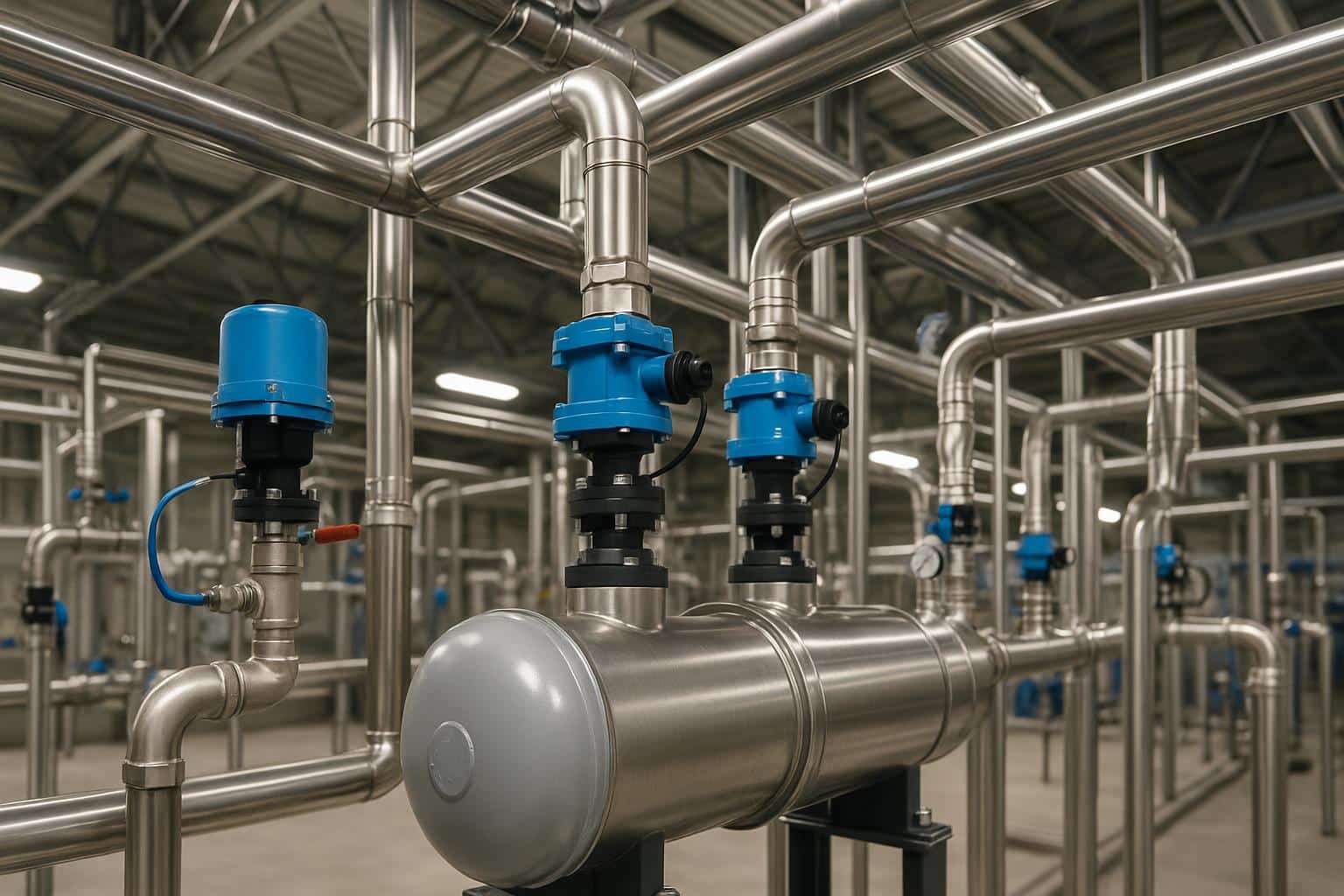
Understanding the foundational aspects of sustainable design means considering air demand profiles, appropriate compressor sizing, and strategic placement of system components. These decisions influence the system’s energy use, maintenance needs, and environmental footprint throughout its lifecycle.
Assessing Facility Needs and System Requirements
Every industrial facility has unique compressed air requirements based on its processes, peak demands, and operational schedule. A thorough assessment should begin with an air audit—measuring not only average consumption but also identifying variations in flow and pressure over time. This data-driven approach allows designers to size compressors accurately, avoiding the inefficiency of oversizing or the risk of undersupply.
Key considerations include the types of pneumatic tools and equipment used, required air quality standards (such as dryness and filtration), and environmental conditions within the facility. By matching system capabilities to real-world needs, facilities minimize wasted energy and unnecessary emissions.
System Layout and Distribution Efficiency
The physical layout of the compressed air system has a significant impact on its efficiency and sustainability. Pipe diameter, routing, and material selection affect pressure drops and energy losses. Short, direct piping runs with minimal bends and junctions help maintain consistent pressure while reducing the workload on compressors.
A well-planned distribution network also incorporates strategically placed air receivers and pressure regulators to buffer demand spikes and maintain stability. These design choices, while sometimes overlooked, can yield substantial energy savings and support system longevity.
Energy Efficiency Strategies for Sustainable Operations
Energy consumption accounts for the majority of a compressed air system’s operating cost. To address this, designers implement several strategies to boost efficiency:
- Selecting variable speed drive (VSD) compressors to match output with real-time demand.
- Integrating advanced control systems for coordinated operation of multiple compressors.
- Utilizing heat recovery solutions to capture and reuse waste heat produced during air compression.
- Regularly inspecting for leaks, which can waste significant amounts of energy if left unaddressed.
Implementing these measures requires upfront planning but results in lower operational costs and reduced greenhouse gas emissions.
Checklist for Sustainable Compressed Air System Design
A methodical approach ensures no key aspect is overlooked. Below is a checklist for sustainable compressed air system design:
- Conduct a comprehensive air audit and analyze demand profiles.
- Accurately size compressors and select energy-efficient models.
- Design a streamlined distribution network with minimal pressure drops.
- Specify high-quality filtration and drying equipment for air quality.
- Plan for easy access to system components for routine maintenance.
- Incorporate leak detection and repair protocols.
- Evaluate opportunities for heat recovery and energy monitoring.
By following this checklist, facility teams set the stage for reliable, efficient compressed air delivery.
Monitoring, Maintenance, and Continuous Improvement
Even the most sustainable system can lose efficiency without ongoing attention. Monitoring tools—such as flow meters and pressure sensors—enable facility managers to track system performance and identify emerging inefficiencies. By adopting strategic air asset management, facilities can ensure that scheduled maintenance and timely repairs are prioritized, preventing leaks and component wear from gradually eroding overall system effectiveness.
Conclusion
Designing a sustainable compressed air system for industrial facilities is a multifaceted task that blends technical expertise, operational insight, and a commitment to long-term efficiency. By leveraging best practices and following a structured approach from assessment through maintenance, organizations can achieve significant reductions in energy use and environmental impact. As pneumatic technologies and monitoring tools evolve, facilities have new opportunities to further optimize their systems, contributing to operational excellence and responsible resource stewardship.

