


Healthcare systems everywhere are under pressure. People are living longer, but not necessarily healthier lives, and the retirement of the Baby Boomer generation is shrinking the healthcare workforce. Hospitals, clinics, and their staff are feeling the strain.
According to the World Health Organization, the world could face a shortage of 11 million health workers by 2030. Most of that gap will be in nursing roles—the professionals who keep healthcare systems running day to day.
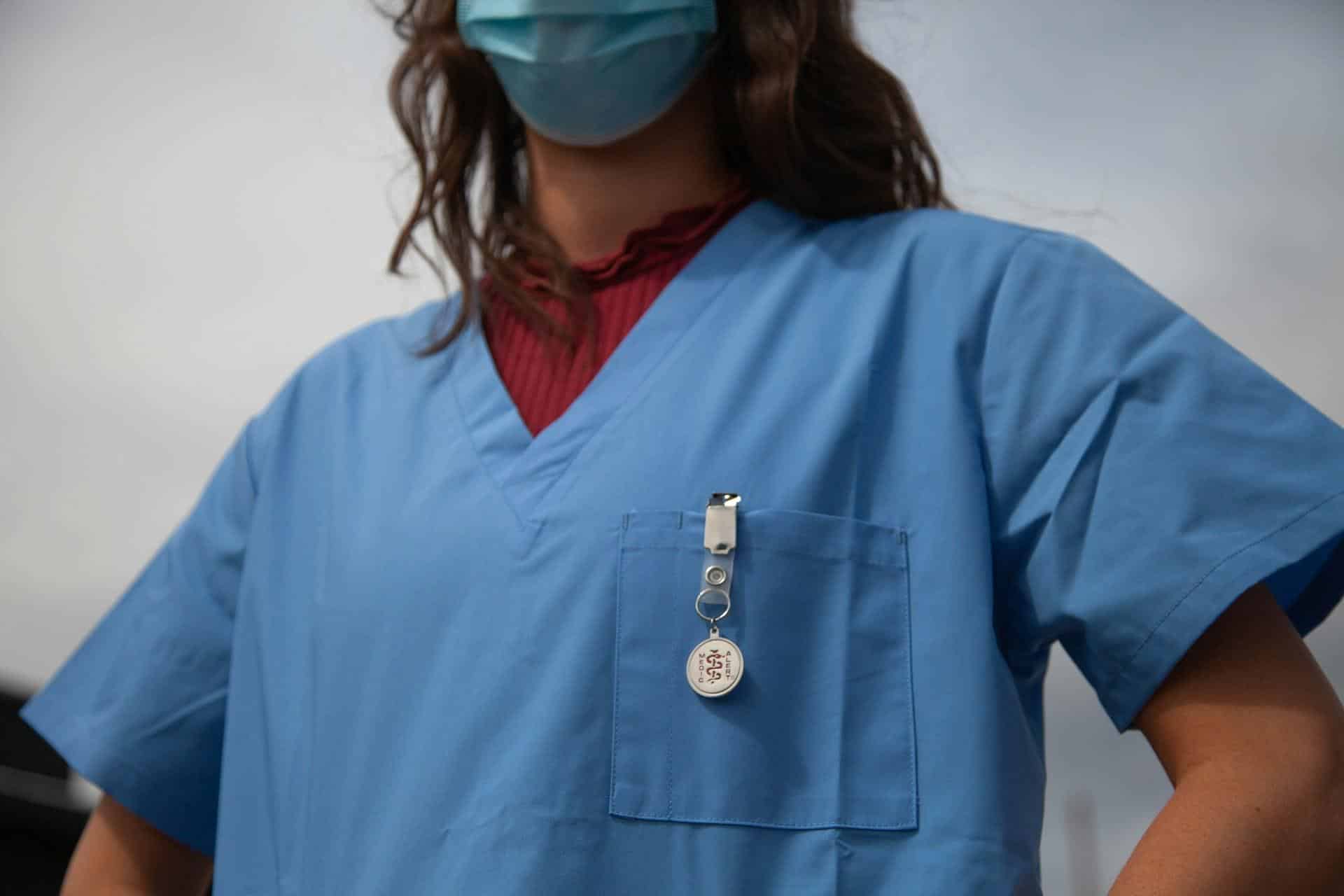
One solution is to make it easier for new professionals to enter the field. Among the many healthcare career paths available, practical nursing stands out for its relatively short training period and strong long-term career opportunities.
What Makes Practical Nursing a Good Career Path?
Practical nursing is a tier of professional nursing focused on providing essential, technical, and bedside medical care to patients who are sick, injured, or disabled. In the United States, these professionals are known as Licensed Practical Nurses (LPNs), or Licensed Vocational Nurses (LVNs) in California and Texas.
LPN programs typically take 12 to 14 months to complete, compared to 2 years for an Associate Degree in Nursing (ADN) or 4 years for a Bachelor of Science in Nursing (BSN). Tuition typically ranges from $2,000 to $18,000, whereas BSN programs can cost more than $60,000.
From an applicant’s perspective, practical nursing is the low-risk entry point into healthcare and the stepping stone toward a fulfilling professional life. For instance, many LPNs use bridge programs to transition to RN roles later, which pay better and open more doors.
But the list of career opportunities for practical nurses doesn’t stop at RNs. Here are some other paths that have very different results:
- Specialization through certification (hospice and palliative care, IV therapy, nephrology)
- Patient advocate
- Working with insurance companies to review medical records
- Case management assistant
- Nursing informatics assistant
- Telehealth triage
- Correctional health
- Pharmaceutical or medical device sales
- Health educator (also a great opportunity for those who love creating content)
Regardless of the path they choose, the system allows practical nursing staff to build fulfilling careers in healthcare. Plus, they get to start working after 12 to 14 months of education with a base salary of $33.46/hr. These facts alone drive up the appeal of this profession.
Factors that Drive Up the Demand
Besides being a great starting point in a healthcare career, practical nursing is one of those fields where there will always be openings. With more people retiring and living longer, we need more personnel focused on patients’ immediate physical needs.
This is where LPNs come in, as their common duties include:
- Clinical monitoring: Taking vital signs and monitoring for changes in patients’ status
- Direct care: Administering medications, performing wound care, and inserting catheters
- Patient comfort: Assisting with Activities of Daily Living (ADLs)
- Documentation: Maintaining accurate health records and documentation
- Patient education: Reinforcing health instructions given by RNs or doctors
Given that the health of many patients depends on finding the right healthcare provider, access to well-trained practical nurses can be life-changing. It’s also a way to support a system designed for acute issues (a broken leg or pneumonia) that has to transition to chronic and behavioral health care.
Because the systems weren’t built for long-term coordination, we need practical nurses to serve as liaisons between specialists and ERs. Without their help, care can be fragmented, and patients have to bounce between specialists, leading to redundant tests, medical errors, and massive waste.
LPN vs. RN: The Key Differences
Even though both positions have “nurse” in the title, they are two different career paths. The most significant difference lies in how much independent decision-making each nurse is legally allowed to perform.
The LPN acts as the “doer” and follows the instructions of doctors and registered nurses (who are also their supervisors). They focus on stable patients with predictable outcomes and usually perform technical tasks such as wound care, catheter insertion, and administering most medications.
RNs, on the other hand, are the “thinkers.” They work with unstable patients and are responsible for the initial assessment, creating the nursing care plan, and interpreting complex lab data to adjust treatments. RNs delegate tasks to LPNs.
To get to this level of autonomy, RNs must complete either an Associate Degree (2 years) or a Bachelor’s Degree (4 years). The education includes high-level courses in leadership, research, public health, and advanced pathophysiology.
Under most state laws, an LPN can collect data (e.g., “The patient has a fever”), but only an RN can perform the official assessment (e.g., “The patient is showing signs of sepsis and the care plan must change”). This legal boundary is why RNs earn higher salaries: they bear liability for patients’ diagnostic outcomes.
The Safe Entry Point into Healthcare
Starting as a practical nurse is one of the safest and quickest ways to start earning and learning in healthcare. The short education period, affordable tuition, and job availability make this position one of the most sought-after in the US healthcare system.

