


Picking out a new pair of glasses feels simple, until you’re standing in front of a wall of frames with no idea where to start. The truth is, a great pair of glasses isn’t just about what looks good in the mirror. It’s about how they fit your face, your lifestyle, and your day-to-day comfort.
Get these five factors right, and you’ll wonder how you ever bought glasses any other way.
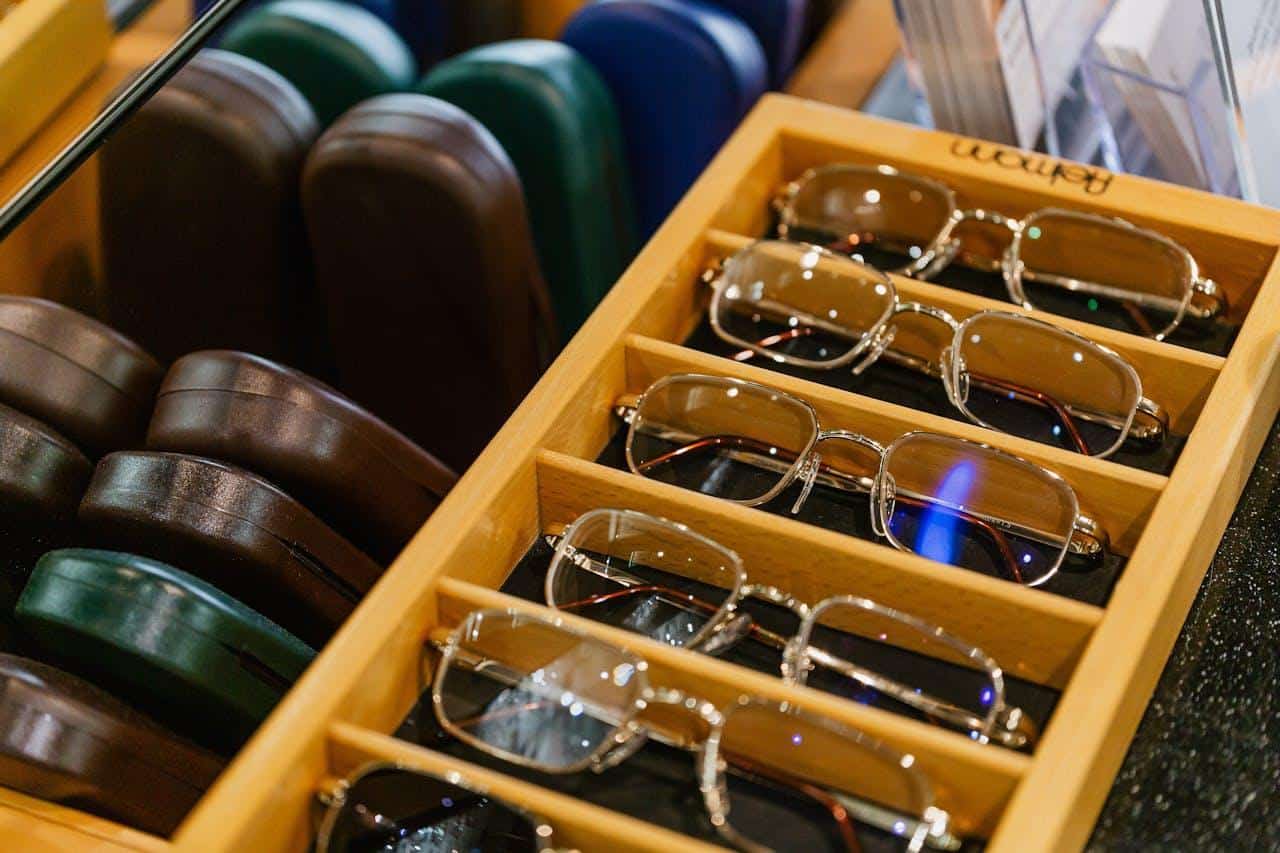
Match the Frame to Your Face Shape
Your face shape is the single most useful reference point when choosing frames. Oval faces tend to suit almost any style, while round faces benefit from angular or rectangular frames that add definition.
Square faces soften beautifully with rounded or curved designs, and heart-shaped faces are well-balanced by frames that are wider at the bottom. Once you know your face shape, narrowing down your options becomes much easier.
Choose the Right Frame Material
Frame material affects everything from weight to flexibility to how long your glasses actually last. Acetate frames are lightweight and come in a wide range of colors and patterns. Metal frames, like titanium or stainless steel, are slim, durable, and easy to adjust.
If you spend a lot of time outdoors or are particularly active, flexible memory metal or TR-90 plastic frames hold their shape well under pressure. For anyone who needs prescription eyeglasses that hold up over time, material choice is worth more attention than most people give it.
Pearle Vision, for instance, offers a broad selection of frame materials so you can find something that genuinely suits your habits and preferences.
Think About Lens Coatings
Lens coatings are easy to overlook, but they make a real difference once you’re wearing your glasses daily. Anti-reflective coatings reduce glare from screens and headlights, which is especially helpful during long work hours or nighttime driving.
Blue light filtering coatings cut down on digital eye strain for those who spend extended time in front of monitors. Scratch-resistant and UV-protective coatings add durability and eye safety. Deciding which coatings matter to you before you buy saves both time and frustration later.
Get Your Measurements Right
Ill-fitting glasses are one of the most common complaints among first-time buyers. Three key measurements determine fit: lens width, bridge width, and temple length. These numbers are usually printed on the inside of your current frames.
If your glasses tend to slide down your nose or press tightly behind your ears, those measurements are almost certainly off. Getting properly measured makes a noticeable difference in how comfortable your glasses feel after hours of wear.
Factor in How You Actually Spend Your Days
A pair that works well for long office hours may feel completely wrong on a weekend hike. Sports and outdoor frames are built with grip, impact resistance, and sometimes wraparound coverage for added protection. Workplace or everyday frames lean toward clean lines and refined finishes.
If your schedule shifts between active and professional settings, some people opt for two pairs, one for each context. Thinking honestly about how you move through your week makes it easier to choose a frame that fits your real life, not just the version of it you imagine.

