


Refinancing a motorcycle loan can lower your monthly payments, reduce your interest rate, or both. But unlike refinancing a car, the process has some quirks specific to powersports vehicles, and knowing what to expect ahead of time makes everything go smoother.
Here’s what you need to know before you apply.
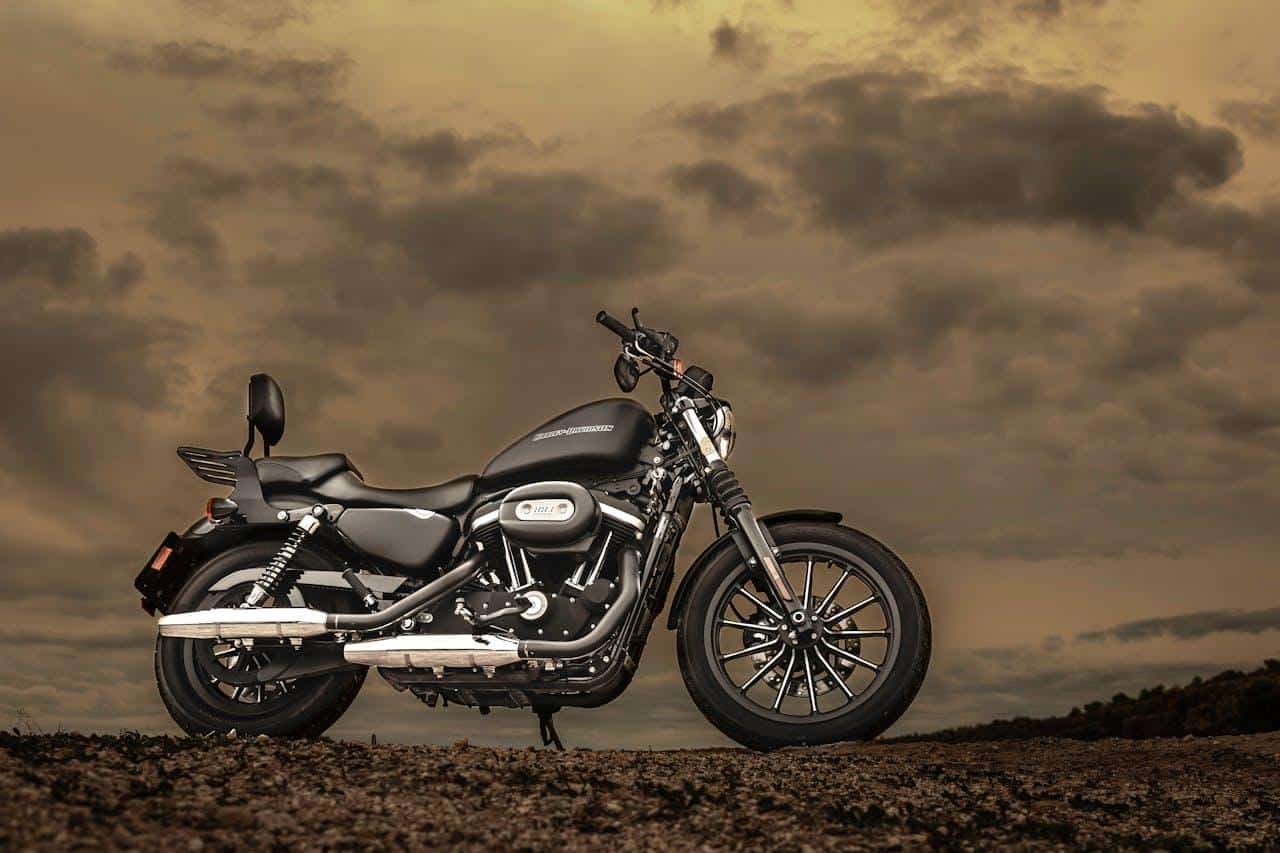
The Details That Affect Your Rate
Model year, mileage, and condition aren’t just paperwork formalities, they directly influence the loan terms you’ll be offered through online auto refinance opportunities. A five-year-old bike with 40,000 miles is a different financial conversation than the same model with 8,000 miles.
Pull together your current odometer reading, an honest assessment of the bike’s condition (any damage, modifications, or repairs worth noting), and the original purchase documentation if you have it.
When you look into refinance options through a platform like RefiJet, having these details on hand speeds up the process considerably and helps ensure the offers you receive are accurate.
Loan-to-Value Ratio
Your loan-to-value (LTV) ratio compares what you owe on the bike to what it’s currently worth. If you owe $8,000 on a motorcycle valued at $10,000, your LTV is 80%. Most lenders prefer an LTV below 100%, meaning you’re not underwater on the loan.
If your LTV is high, refinancing might still be possible, but your rate options could be limited. Checking this number before applying saves you from unnecessary credit inquiries on applications that are unlikely to be approved.
Use a reliable pricing source like the NADA Guides or Kelley Blue Book’s motorcycle valuations to get an estimate of your bike’s current market value.
Powersports Lenders vs. Traditional Banks
Here’s where many borrowers lose money without realizing it: applying only at a traditional bank or credit union. General lenders often treat motorcycles as a niche product and apply stricter terms or higher rates than lenders who specialize in powersports financing.
Specialized powersports lenders understand depreciation curves, seasonal usage, and the specific risk models tied to different bike categories. That expertise usually translates into more competitive rates and more flexible loan structures. Shopping both types of lenders gives you a genuine comparison.
Rate Differences across Bike Categories
Cruisers, sport bikes, and touring models don’t always qualify for the same rates, even with identical borrower profiles. Sport bikes, because of their higher risk classification, can carry rates that are half a percentage point to a full point higher than a comparable cruiser loan.
Touring bikes, especially full-dresser models used for long-distance riding, are often treated similarly to cruisers. They’re built for longevity, owned by riders who tend to put consistent miles on them, and hold their resale value reasonably well. If you ride a touring model, that works in your favor when refinancing.
Title Transfer and Loan Payoff
Once you’ve accepted a refinance offer, the new lender pays off your existing loan and the title is transferred to reflect the new lienholder. This sounds straightforward, but timing matters.
Continue making payments on your current loan until you receive written confirmation that the payoff has been completed. Your state’s DMV may charge a small fee to update the title, and processing times vary. Ask your new lender what to expect so there are no surprises at the finish line.

