


Air travel depends on timing, coordination, and fast decisions. Every departure involves a chain of moving parts, from aircraft readiness and crew schedules to weather updates and airport slot management. When one link in that chain slips, delays spread quickly. That is why operational visibility has become a priority for airlines, handlers, and operations teams that need to stay ahead of disruption rather than react to it too late.
One of the most useful tools in that effort is pps tracking. Used well, it gives operations staff a clearer picture of aircraft progress, turnaround status, and possible conflicts before they grow into larger problems. Instead of relying on scattered updates from several systems or manual check-ins, teams should work from a shared operational view that supports faster and more accurate decisions.
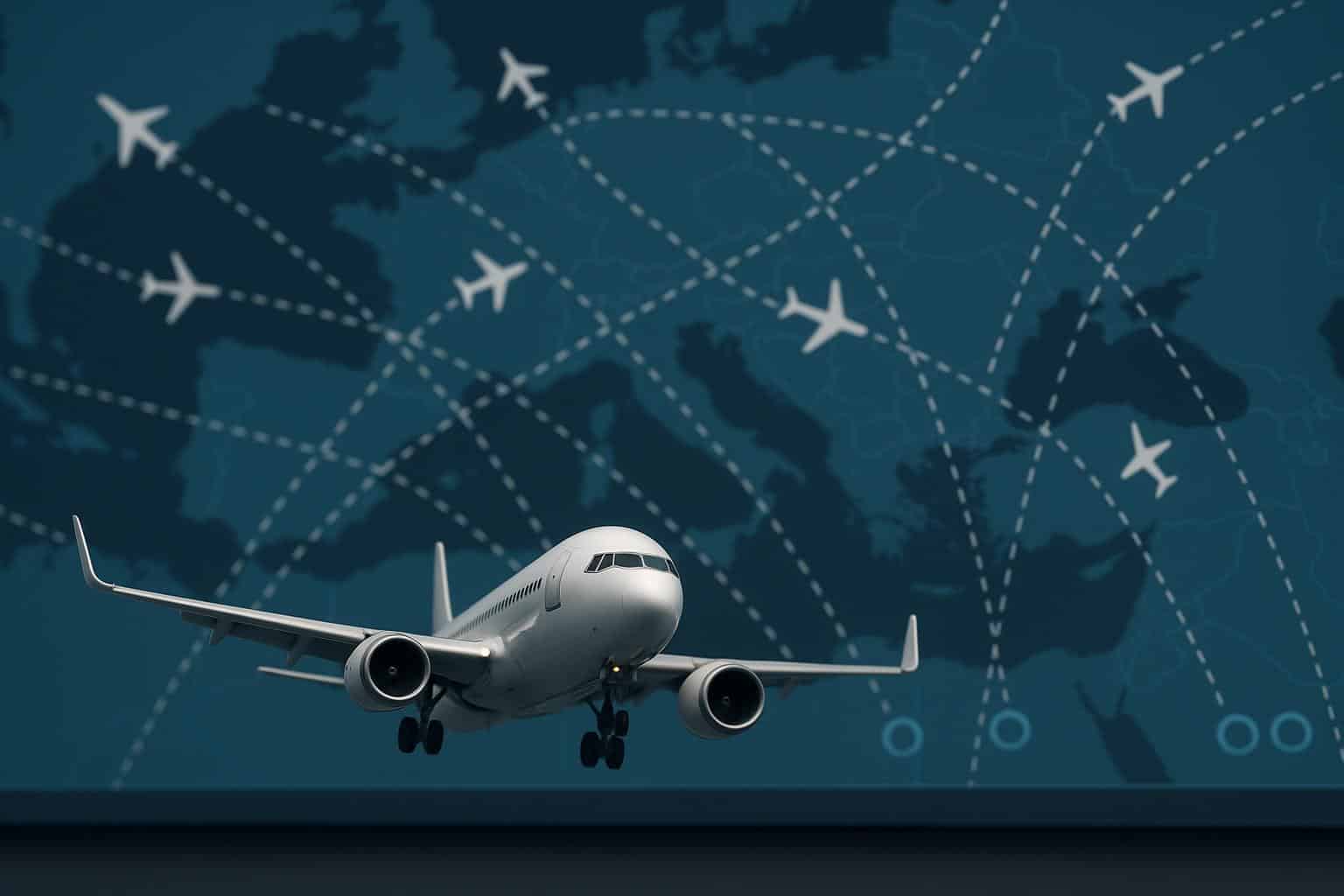
A sharper view of the daily operation
Flight operations rarely follow a perfect script. Weather shifts, late inbound aircraft, technical inspections, baggage delays, and crew limitations all affect the schedule. In a busy environment, even a short delay at one station should trigger immediate attention because it may affect several later flights.
Tracking tools help reduce that uncertainty. They bring together key data points and show where an aircraft is, what stage it has reached, and what risks may be building around the next movement. That kind of overview matters because time is often the most limited resource in operations control. Teams should not waste it searching for fragmented information.
A better operational picture also improves communication. Dispatchers, ground teams, and planners work more effectively when they see the same status updates and act from the same timeline. This reduces confusion and helps everyone focus on what must happen next.
From reactive work to proactive control
For many operators, the biggest change is not just access to data but the ability to act before a disruption spreads. If an aircraft is likely to arrive late, planners should be able to assess gate availability, crew legality, and onward schedule impact immediately. That creates room for practical choices instead of rushed fixes.
This proactive approach supports both efficiency and service quality. Passengers may never hear the phrase behind the process, but they notice the outcome. Shorter delays, smoother connections, and more reliable departure times all begin with stronger operational control behind the scenes.
The value becomes even clearer during irregular operations. When weather or congestion affects several flights at once, teams need a system that highlights priorities quickly. They should know which aircraft require urgent attention, which routes are most exposed, and where a minor adjustment could prevent a major delay later in the day.
Why the human role still matters
Technology should support skilled decision-makers, not replace them. Operations control remains a human task shaped by judgment, experience, and situational awareness. A strong tracking system works best when it presents relevant information clearly and helps teams respond with confidence.
That balance is important. Too much raw data can slow action just as much as too little information. The goal should be clarity, not clutter. When systems present updates in a practical way, operations staff can focus on priorities, assess alternatives, and keep the schedule moving.
A tool for a more reliable network
As air traffic grows and schedules stay tight, airlines and service providers need better ways to manage complexity. Reliable operations depend on visibility, coordination, and quick intervention when conditions change. Tracking solutions support all three.
In the end, stronger oversight is not only about technology. It is about building a calmer, more disciplined operation where teams can spot issues early and respond with purpose. In a field where minutes matter, that level of control should no longer be treated as optional.

