


It usually happens without much thought. You have a spare ten minutes — waiting for coffee to brew, sitting through a slow afternoon — and you open a quick game of cards to fill the gap. Most of us treat these moments as harmless time-fillers, a way to switch off. But a growing body of research suggests that the simple act of playing a card game, whether around a kitchen table or on a free platform like Playsolitaire, asks more of your brain than it appears to. Behind the shuffling and the stacking, your mind is quietly running through planning, memory, and decision-making — the very functions that keep cognition sharp.
It’s worth understanding what’s actually going on under the hood, and just as importantly, what the science does and doesn’t promise.
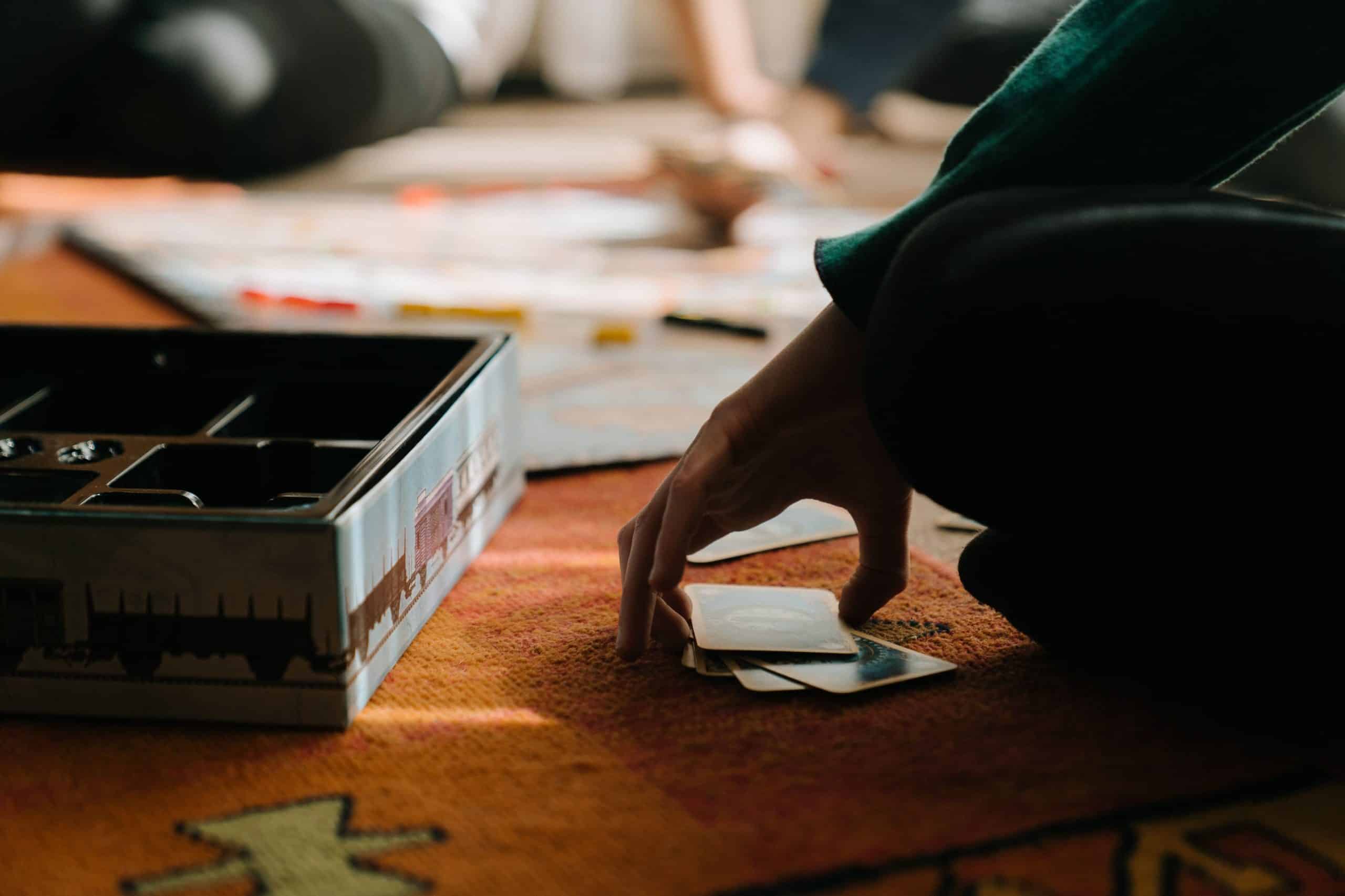
What Your Brain Is Doing While You Play
A game of solitaire looks placid from the outside, but mentally it’s a small workout. To play even a single hand well, you’re holding several pieces of information in mind at once: which cards are face up, which sequences are possible, what moves you’ve already made, and what you’re hoping to draw next. That juggling act draws directly on working memory, the brain’s short-term mental scratchpad.
At the same time, you’re planning. Good play means thinking a few moves ahead, weighing whether to commit a card now or hold it for a better opportunity. This kind of forward-looking reasoning engages the brain’s executive functions — the same family of skills you use to organize your day, manage competing priorities, and resist the easy-but-wrong choice. A card game compresses all of that into a low-stakes, repeatable loop.
The Specific Skills Card Games Exercise
Researchers who study cognition tend to break “thinking” into component parts. Card games happen to touch several of them at once:
- Working memory: Tracking cards, sequences, and prior moves keeps your short-term memory actively engaged rather than idle.
- Attention and focus: Sustaining concentration through a hand trains the ability to stay on task and filter out distraction, a skill under constant assault in a notification-heavy world.
- Planning and strategy: Deciding the order of moves and anticipating outcomes exercises the goal-directed reasoning that sits at the heart of problem-solving.
- Probabilistic thinking: Estimating the odds of drawing what you need is a gentle, intuitive form of statistical reasoning, the same mental muscle behind everyday risk assessment.
- Pattern recognition: Spotting opportunities across the board sharpens the brain’s knack for identifying structure in scattered information.
None of these are exotic. They’re the foundational tools of daily mental life, and a card game gives them a regular, enjoyable run.
What the Science Actually Says — and Doesn’t
Here’s where honesty matters. It’s tempting to claim that a daily game of cards will ward off cognitive decline or stave off dementia. The evidence is more nuanced than that, and a credible look at the research means resisting the overclaim.
Studies on “brain training” have repeatedly shown that practicing a mental task makes you better at that task — but the benefits often fail to transfer broadly to unrelated abilities. In other words, getting good at solitaire mostly makes you good at solitaire. Researchers urge caution about any product or activity promising sweeping gains in general intelligence.
What the research supports more firmly is the idea of cognitive engagement, sometimes discussed under the banner of “cognitive reserve.” Staying mentally active across your life — through reading, learning, socializing, and yes, games — is associated with better cognitive resilience as we age. The keyword is associated: these are correlations within a much larger picture that includes sleep, exercise, diet, and genetics. A card game is a healthy ingredient, not a cure.
The sensible takeaway is modest but real. Regularly choosing an activity that makes your brain work, instead of one that lets it switch off entirely, is a small, positive habit. It won’t rewrite your future on its own, but it’s a meaningful part of staying engaged.
The Mood Dividend
Cognition isn’t only about raw mental horsepower; emotional state matters too. Many people find that a short, absorbing game produces a mild version of what psychologists call “flow” — that satisfying sense of being pleasantly occupied, where worries recede and attention narrows to the task at hand. Brief experiences of flow can lower stress and offer a genuine mental reset between demanding tasks.
That stress relief is itself cognitively useful. Chronic stress is hard on memory and concentration, so anything that provides a calm, low-pressure pause indirectly supports clearer thinking. A few minutes of cards can function like a short, structured breather for an overworked mind.
Why Card Games Fit the Job So Well
If the goal is regular, accessible mental engagement, card games are unusually well suited to it. They scale in difficulty, so a beginner and a veteran can both find the right level of challenge. They’re self-contained, finishing in minutes rather than demanding an hour. And they span generations, which means the mental engagement they offer comes bundled with the social and emotional benefits of shared play when others join in.
Their digital versions lower the barrier even further. There’s no deck to find, no table to clear — just a tab and a few minutes. That convenience is precisely what makes the habit easy to sustain, and sustainability is what turns an occasional diversion into a genuine routine.
The Bottom Line
A card game won’t transform your brain overnight, and anyone claiming otherwise is overselling. But the quieter truth is encouraging enough on its own: those small, almost automatic moments of play are giving your working memory, attention, and planning skills a regular, enjoyable exercise — while offering a calm break in a busy day. In a culture that increasingly rewards switching off, choosing to gently switch on is a habit worth keeping.

