


Truck accidents can feel like a chaotic puzzle with too many pieces. The image most people have is simple: a truck hits a car, and the truck driver is automatically responsible. But the reality is far more tangled.
Liability in these cases rarely falls on just one person. Understanding who can be held accountable is essential for protecting your rights and ensuring fair compensation. If you’re feeling overwhelmed by the process, there are ways to untangle the complexity and make sure your case gets the attention it deserves.
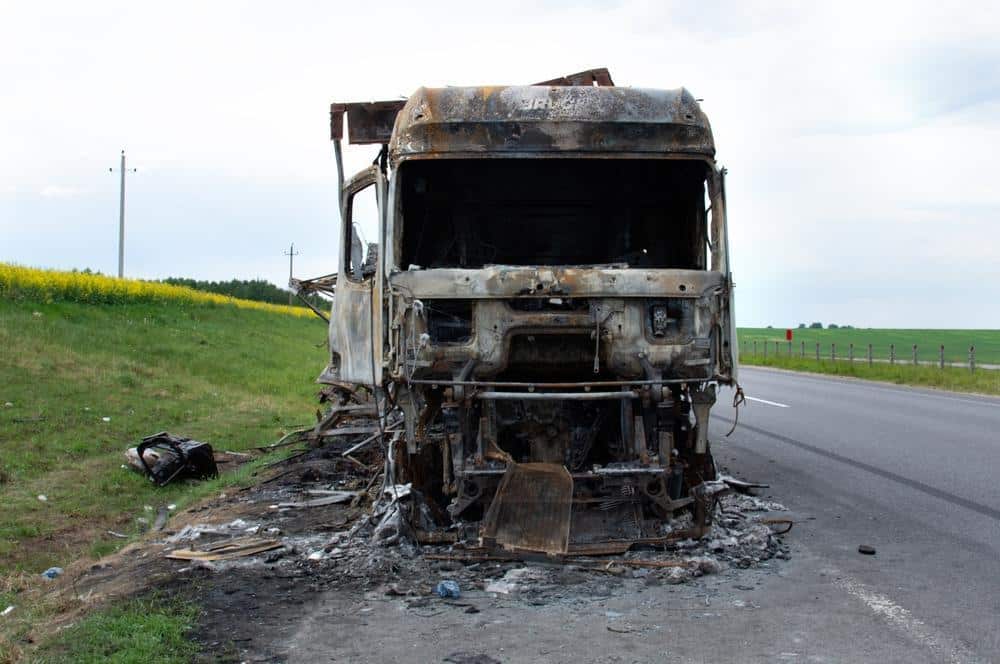
Liability in truck accidents isn’t always obvious. Some accidents seem straightforward, but the law treats these situations differently from everyday collisions. It’s recommended to take legal help for truck accident cases to make sure every detail is properly investigated.
From driver fatigue to defective vehicle parts, many factors influence who is truly responsible for an accident.
1. The Truck Driver
The truck driver is often the first person people think of when assigning blame. Driver error does play a role in many accidents, but it’s not always the sole factor. Fatigue, speeding, distracted driving, or failing to follow traffic laws can all contribute. Truck drivers are also subject to strict federal and state regulations, which adds another layer to understanding liability. If these rules were violated, it can strengthen a case, but proving the violation often requires careful legal investigation.
2. The Trucking Company
Trucking companies can also be held liable. Under the principle of vicarious liability, companies may be responsible for their employees’ actions. If a trucking company pressures drivers to meet unrealistic schedules, ignores safety rules, or fails to provide proper training, it can share the blame for accidents. Companies that cut corners on safety measures or push drivers to drive longer hours can face significant legal responsibility.
3. Independent Contractors
Not all truck drivers are employees; some work as independent contractors. Liability in these cases can be trickier because companies may argue that contractors are responsible for their own actions. However, if the company exerts significant control over schedules, routes, or safety procedures, liability may still extend to the trucking company. Understanding this distinction is critical in building a solid claim.
4. Vehicle Maintenance and Repair
Truck accidents are sometimes caused by mechanical failure rather than human error. Poorly maintained brakes, worn tires, or engine problems can result in serious crashes. Maintenance or repair companies may share liability if they failed to properly service the truck. Even the trucking company can be responsible for ensuring that regular inspections and repairs are done correctly.
5. Truck Manufacturers
Defective parts or design flaws are another factor in truck accident liability. Manufacturers may be held responsible if faulty brakes, steering mechanisms, or tires cause a crash. Proving a defect often requires expert evaluation, but it can be essential in cases where mechanical failure plays a role.
6. Cargo Loading Companies
Improperly loaded cargo can shift or fall, leading to accidents. Companies responsible for loading and securing cargo have a legal obligation to do so safely. If a truck overturns or loses control because of unsecured cargo, liability can extend beyond the driver and trucking company to the parties that handled the load.
7. Other Drivers
In some cases, other drivers on the road may contribute to a truck accident. Sudden lane changes, distracted driving, and failure to yield can all play a role. Identifying other drivers’ responsibility is important, especially when multiple vehicles are involved. Insurance claims and settlements often need careful analysis to assign the proper share of liability.
8. Government and Road Conditions
Accidents can also be influenced by external factors like poorly maintained roads, missing signs, or construction hazards. State or local governments can sometimes be partially liable if their negligence contributed to the crash. This type of responsibility is often more difficult to prove but can have a significant impact on the outcome of a case.
9. Shared Liability
Many truck accidents involve multiple parties sharing responsibility. The law recognizes comparative or joint liability, meaning compensation may be divided among the driver, company, manufacturer, or other parties. Determining how much each party is responsible for requires thorough investigation and expert legal guidance.
Why Legal Help Matters
Truck accident cases are complex, and insurance companies often look for ways to minimize payouts. Navigating liability, collecting evidence, and negotiating settlements can be challenging without professional assistance. Legal help for truck accident cases can uncover hidden responsibilities, ensure all liable parties are considered, and strengthen your claim. Experienced lawyers know how to handle insurance companies and investigate accidents thoroughly, making a significant difference in the outcome of your case.
Summing Up!
Understanding who is really at fault in a truck accident is the first step toward fair compensation. Liability often extends beyond the driver to include companies, contractors, maintenance providers, manufacturers, and even other drivers or government agencies. Securing skilled legal help early is essential to uncover all responsible parties and ensure your case is properly handled.
Taking action promptly gives you the best chance of getting a settlement that truly reflects the impact of the accident. With the right approach, you can navigate the complex system and make sure your rights are fully protected.

