


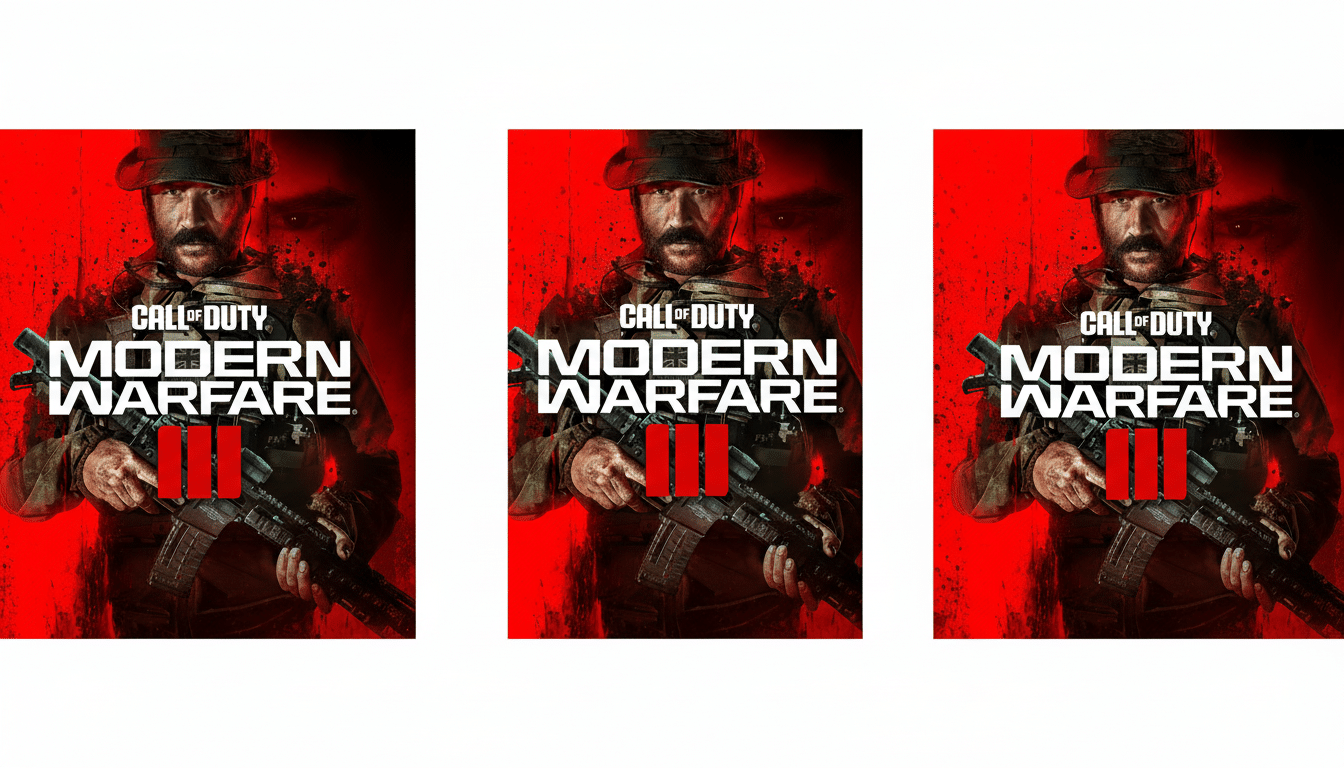
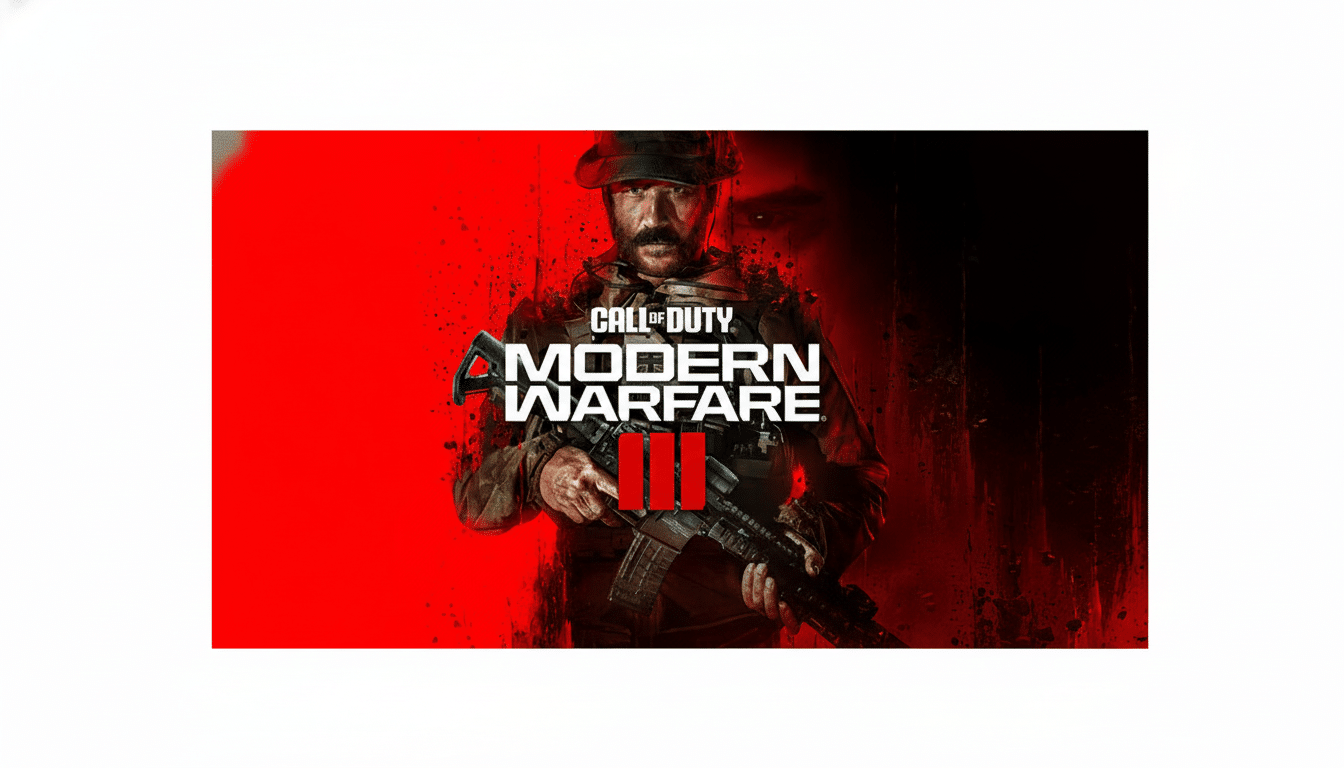
The White House’s official account on X posted a glossy war montage that includes unmistakable footage from Call of Duty: Modern Warfare III, drawing swift criticism for blurring the line between real conflict and video game spectacle as the United States wages military operations against Iran. The clip, which opens with a killstreak animation culminating in a nuclear strike and is overlaid with the phrase “Courtesy of the Red, White & Blue,” sits alongside images of U.S. firepower—an aesthetic that critics say glamorizes devastation while muddying the facts.
The reaction was immediate and visceral, in part because the post landed amid reports of mass casualties from recent strikes inside Iran, including accounts that an elementary school in Minab was hit, killing dozens of children. While key details about responsibility and targeting remain disputed, the optics of splicing a blockbuster shooter into official war messaging ignited a wider debate about accuracy, ethics, and the credibility of government communication in a fog-of-war information environment.
What the Video Shows and Why It Matters Now
Placed at the top of the montage, the Modern Warfare III sequence depicts a player unlocking the ability to launch a nuclear weapon, a familiar mechanic to gamers but jarring when presented without clear labeling by an official U.S. government account. Combining cinematic gameplay with real-world footage risks signaling endorsement of a stylized, consequence-free vision of combat at the very moment the administration is seeking public buy-in for consequential actions abroad.
Disinformation researchers have repeatedly warned that mixing fabricated or entertainment imagery with news content can prime audiences to misread reality. Official channels carry added weight; when they disseminate ambiguous visuals, the likelihood of misinterpretation spikes. RAND and other policy institutes have documented how adversaries exploit such ambiguities to seed doubt and polarize public opinion, a risk that multiplies during shooting wars.
Developers and Analysts Push Back on Game Footage
Chance Glasco, a founding developer of the Call of Duty franchise, publicly criticized the decision, recalling earlier industry pressure to center storylines around real-world flashpoints and noting how many creators resisted turning complex geopolitics into marketing beats. His remarks echoed a longstanding discomfort among game designers about their titles being conscripted into government messaging—especially when images are repurposed to hype active military campaigns.
Media ethicists argue the stakes are more than aesthetic. When entertainment assets are wrapped in patriotic branding and shared by government accounts, they can serve as de facto propaganda, shaping attitudes toward the use of force. That effect is amplified on social platforms where, according to Pew Research Center, about half of U.S. adults report getting news at least sometimes, making context and labeling essential guardrails.
A Battlefield Flooded With Misleading Media
The controversy also surfaced amid a torrent of manipulated and decontextualized media tied to the fighting in Iran. Within hours of the first reports of strikes, well-known political bot networks began circulating out-of-context videos, flight simulator clips, and older conflict footage as if it were new. Researchers tracking cross-platform flows noted that AI-generated images and videos amassed millions of impressions across X, Instagram, and Facebook in days, outpacing verified updates from official sources.
X subsequently announced that accounts in its revenue-sharing program risk suspension if they post synthetic conflict content without disclosure, an acknowledgment that monetized virality is fueling deceptive media. Platform policies, however, remain unevenly enforced. The White House post, lacking an explicit disclaimer about the game footage, underscored how even authoritative sources can inadvertently contribute to confusion unless they adopt rigorous provenance and labeling standards.
A Pattern Of Gamified Government Messaging
The use of game imagery by U.S. government entities is not new. In recent years, agencies have posted content riffing on popular franchises to recruit, inform, or rally supporters. The U.S. Army’s Twitch outreach effort sparked criticism in 2020 for promoting enlistment through esports streams, raising questions about whether youthful gaming aesthetics are appropriate vehicles for discussing life-and-death service. Communication experts at academic centers such as the University of Southern California’s Annenberg School have cautioned that “gamification” can desensitize audiences to the human costs of war.
What distinguishes the current flap is timing and tone. Packaging a montage that appears to celebrate battlefield prowess with a nuclear-themed killstreak during an active conflict risks normalizing catastrophic imagery and invites adversaries to portray U.S. messaging as cavalier. Allies and watchdog groups alike will scrutinize whether the administration adheres to the same transparency standards it urges of platforms and the press.
What Responsible Wartime Messaging Could Look Like
Information-security specialists recommend straightforward steps for official accounts:
- Avoid fictional or entertainment assets in any wartime communications
- Include explicit, on-screen labels for archival or third-party footage
- Publish corroborating details whenever operational security allows
- Adopt content provenance technologies such as C2PA to cryptographically sign imagery
Clearer guardrails would reduce misinterpretation and demonstrate a commitment to accuracy that strengthens public trust.
At a moment when miscaptioned clips can travel globally in minutes and AI tools can fabricate scenes from scratch, the burden on institutions is higher than ever. The White House video may have aimed to project resolve. Instead, it reignited a debate about how democracies should communicate about war—and whether borrowing the language of games is a line that should not be crossed.

