


A roof can absorb years of sun, rain, wind, and temperature changes before a problem becomes obvious inside the house. Then one stain on the ceiling can suddenly turn into a much bigger question: repair the damaged area or replace the entire roof? The answer rarely depends on one missing shingle or one leak. Age, the spread of the damage, the condition beneath the surface, and the cost of repeated repairs all matter. Looking at the roof as a complete system can help you make a decision that protects the house rather than simply postponing the next problem.
Age Gives You Context, Not the Whole Answer
An older roof deserves closer attention, but age alone does not automatically mean replacement.
- Age Gives You Context, Not the Whole Answer
- Know When Replacement Becomes the More Practical Option
- Look at the Pattern of Damage
- Compare the Next Repair With the Bigger Financial Picture
- The Attic Can Reveal Problems the Roof Surface Hides
- A Strong Roof Depends on More Than Shingles
- Think About How Long You Plan to Stay
- Get an Inspection Before a Large Decision
- Make the Decision Based on the Whole Roof
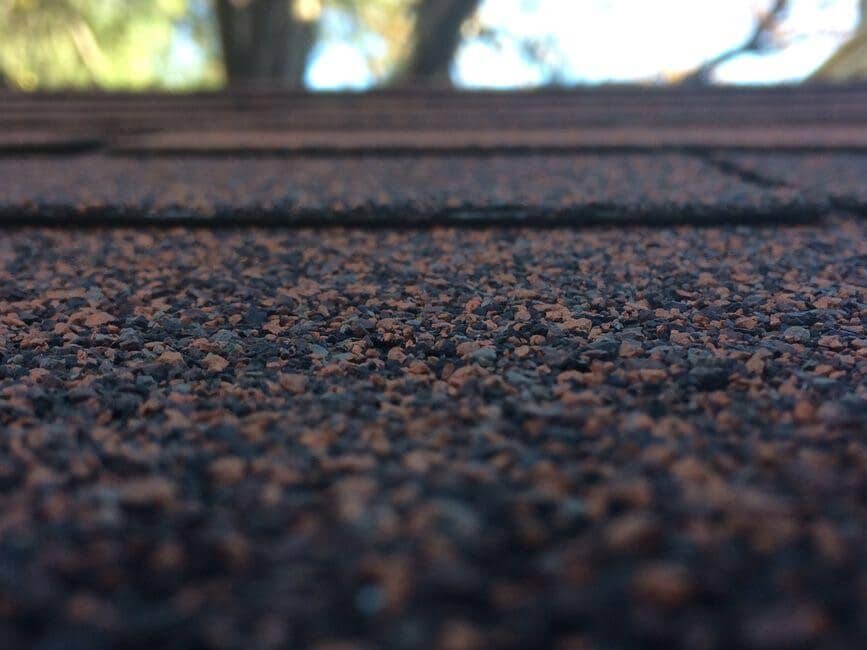
Roofing materials wear differently depending on installation quality, ventilation, maintenance, weather exposure, and the design of the house. Two roofs installed around the same time can end up in very different condition.
That is why the installation date should be treated as a starting point.
If the roof is relatively young and one small section has been damaged, a targeted repair may be perfectly reasonable. If it is already well into its service life and new problems keep appearing, another patch becomes harder to justify.
Past repairs matter too. A roof that has needed several unrelated fixes may be signaling broader deterioration rather than a run of bad luck.
Know When Replacement Becomes the More Practical Option
Replacement starts making more sense when several warning signs overlap.
Perhaps the roof is older, repairs are becoming frequent, wear is visible across several sections, and an inspection finds concerns beneath the surface. At that point, continuing to fix isolated symptoms may provide diminishing value.
When a comprehensive roof replacement is being considered, the decision should account for more than the visible roofing material. The condition of the decking, flashing, penetrations, drainage details, and attic should all be part of the conversation.
A new covering installed over unresolved moisture or structural problems does not truly solve the underlying issue.
Replacement is a larger commitment, but it can also create an opportunity to address weaknesses throughout the roofing system rather than repeatedly reacting to individual failures.
Look at the Pattern of Damage
One isolated problem and widespread deterioration are very different situations.
A few shingles damaged by a specific event may be repairable. Extensive curling, cracking, missing material, deteriorated flashing, repeated leaks, or visible changes across several roof sections suggest something larger.
This is where a whole-roof assessment becomes valuable.
Guidance on evaluating roof condition and repair-versus-replacement decisions emphasizes factors such as age, weathering, maintenance, and the extent of damage rather than assuming every roof problem requires the same response.
Inside the home, pay attention to water stains that appear in multiple areas or keep returning after repairs. Several apparently separate leaks can sometimes trace back to broader problems involving roofing materials, flashing, or the underlying assembly.
The more widespread the failure becomes, the less useful another isolated patch may be.
Compare the Next Repair With the Bigger Financial Picture
Repair usually wins when you compare only today’s invoice.
That does not necessarily make it the cheaper decision.
Suppose one section is repaired this year, flashing fails somewhere else next year, and another leak damages insulation or drywall after that. Each individual bill may seem manageable, but collectively they can consume money that could have gone toward a more lasting solution.
Think beyond the roofing invoice itself.
Water intrusion can affect ceilings, insulation, walls, wood components, and interior finishes. Delaying a larger roofing problem can therefore create costs that have little to do with shingles.
The useful question is not simply, “Which option costs less now?”
It is, “Which option is likely to protect the house more effectively over the years I expect to own it?”
The Attic Can Reveal Problems the Roof Surface Hides
You do not always have to wait for water to reach a finished ceiling before noticing trouble.
The attic can provide earlier clues.
Wet or compressed insulation, stained wood, musty odors, visible deterioration, or moisture around roof penetrations can indicate that water has been entering for some time.
Ventilation and air movement matter as well.
A roofing problem may be made worse by trapped heat or moisture within the roof assembly. That is why attic conditions should be considered alongside the exterior roofing material rather than treated as a completely separate issue.
Checking the attic can also reveal whether a leak that looks small downstairs has affected a much larger area above it.
Homeowners should avoid climbing onto a steep or damaged roof themselves. An attic observation from a safe location, followed by a qualified inspection when concerns appear, is usually far more sensible.
A Strong Roof Depends on More Than Shingles
Shingles get most of the visual attention, but they are only one part of the system protecting the home.
Underlayment, flashing, drip edges, valleys, roof penetrations, decking, fastening, drainage, and other details all contribute to performance.
Current guidance for asphalt shingle roof installation and durability highlights the importance of correctly integrated flashing, underlayment, fastening, and other protective details.
That matters when deciding between repair and replacement.
If the surface material is failing but everything beneath it remains sound, the solution may be relatively straightforward. If water has damaged decking or poor installation has affected several parts of the assembly, the scope can change considerably.
A roof should therefore be evaluated as a system rather than a decorative outer layer.
Think About How Long You Plan to Stay
Your plans for the property can influence the decision.
If you expect to live there for many more years, constantly managing an aging roof may be less appealing than addressing the problem comprehensively. A sound roof also reduces the uncertainty of wondering which section may fail next.
Selling soon creates a different calculation, but it does not make roof condition irrelevant.
Visible wear, leaks, or inspection findings can become negotiation points. Buyers may also factor the expected cost of future roofing work into how they view the property.
That does not mean replacing a roof automatically produces an equal increase in sale price. It means unresolved roofing problems can affect how confident someone feels about the condition of the home.
Get an Inspection Before a Large Decision
Roof problems are difficult to judge accurately from the ground.
A qualified inspection can help determine whether damage is concentrated in one repairable area or reflects deterioration across the system. It should consider the roof covering, flashing, penetrations, decking where accessible, drainage, and signs of moisture.
Ask for the reasoning behind the recommendation.
If repair is suggested, find out what is being repaired and why the rest of the roof is considered serviceable. If replacement is recommended, ask which conditions make another repair unlikely to provide good long-term value.
Photographs and a clear explanation can make that assessment easier to understand.
The objective is not to choose the biggest project automatically. It is to understand the condition well enough to choose the appropriate one.
Make the Decision Based on the Whole Roof
Repair makes sense when the problem is limited, the surrounding materials remain in good condition, and the roof still has useful life ahead of it.
Replacement becomes more compelling when deterioration is widespread, leaks keep returning, underlying components are affected, or repeated repairs are becoming an ongoing expense.
The important distinction is between fixing a failure and repeatedly postponing one.
A dependable roof should protect the home quietly for years at a time. When maintaining that protection starts requiring constant patches and increasingly complicated repairs, looking at the bigger solution may be the more practical move.

