


Key Takeaways
Steel products are indispensable in the realm of modern infrastructure, thanks to their remarkable strength and versatility. They play a crucial role in enhancing construction efficiency and reliability.
The ability to prefabricate steel components accelerates construction timelines, while their durability against environmental stressors ensures long-lasting structural integrity.
- Key Takeaways
- The Critical Role of Steel Products in Modern Infrastructure
- How Steel Components Influence Construction Efficiency
- Comparing Steel to Alternative Materials: Why Steel Prevails
- Understanding the Market Demand for Stainless Steel Solutions
- Current Trends Driving Stainless Steel Popularity
- Applications of Stainless Steel Across Various Industries
- Pioneering Technologies in Steel Manufacturing and Supply
- The Impact of Innovative Techniques on Product Quality
- How Automation is Shaping the Steel Industry Landscape
- Essentials for Choosing the Right Steel Supplier
- Key Factors Clients Should Evaluate When Selecting Suppliers
- The Advantages of Partnering with Industry Leaders
- FAQ
- What materials are commonly used alongside steel in construction projects?
- How does steel’s recyclability impact the environment?
- What role does steel play in sustainable building certifications?
- How has 3D printing influenced the steel industry?
- What are the projected trends for steel demand in the coming years?
- How can businesses ensure they stay compliant with steel quality standards?
- What are some innovative applications of stainless steel beyond construction?
- What factors should be considered when evaluating steel suppliers’ customer service?
- Useful Resources
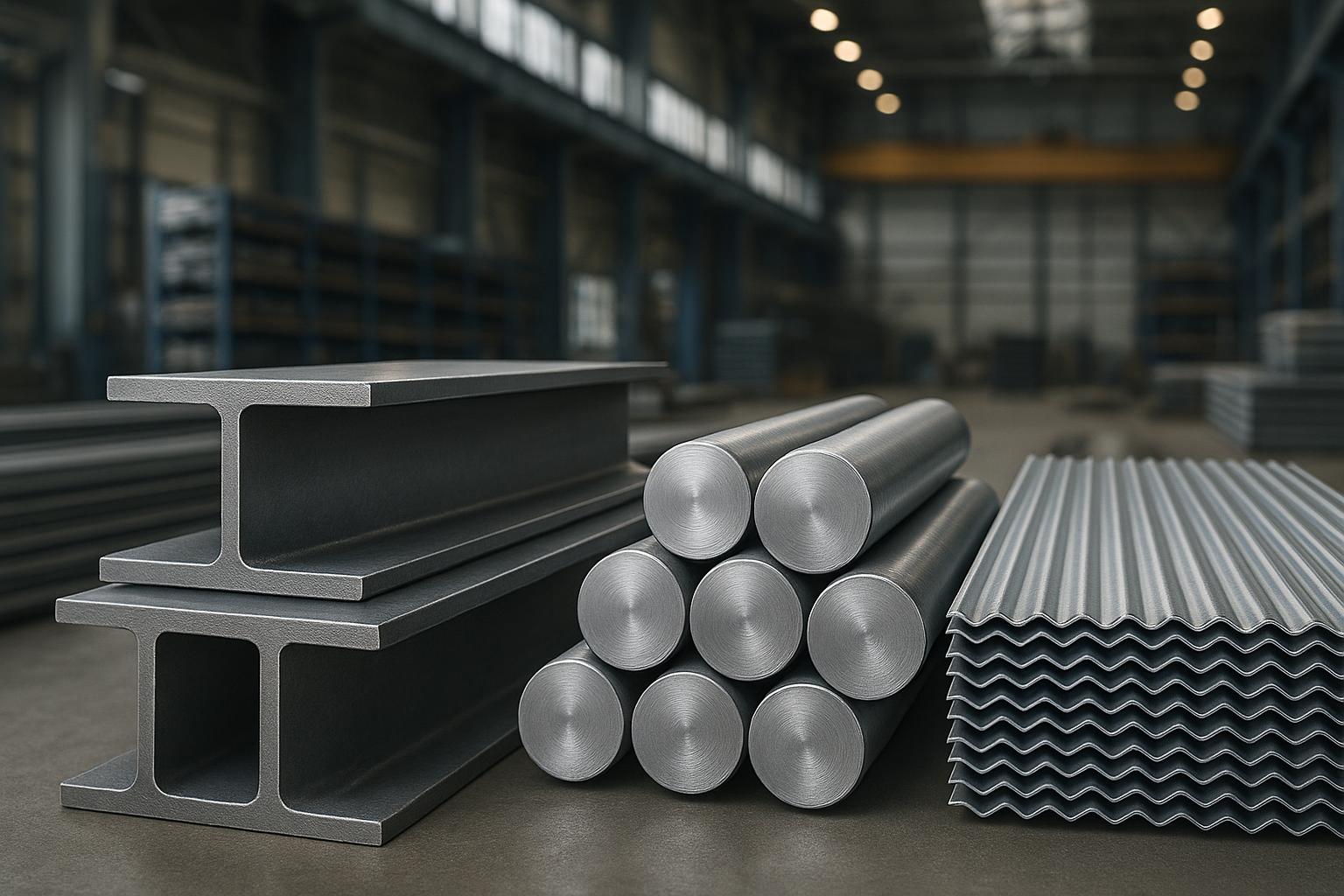
Recently, demand for stainless steel has surged, driven by a growing consumer focus on hygiene, durability, and sustainability across industries like healthcare and food processing.
Innovations in steel manufacturing— from modern metallurgy to 3D printing— have significantly improved product quality and streamlined production methods.
With automation revolutionizing the steel sector, efficiency rises, waste diminishes, and product quality improves, solidifying its importance in competitive manufacturing environments.
Choosing the right steel supplier is critical for clients; they should consider reputation, delivery capabilities, quality control measures, and transparent pricing to foster successful partnerships.
By aligning with reputable industry leaders, clients often gain better access to advanced technologies, competitive pricing, and a comprehensive range of products.
The Critical Role of Steel Products in Modern Infrastructure
How Steel Components Influence Construction Efficiency
Steel products are fundamental to today’s infrastructure, their strength and adaptability supporting everything from skyscrapers to bridges. Construction professionals acknowledge that high-quality steel can greatly improve efficiency in construction processes. For engineers, selecting steel means choosing reliability over alternatives.
Utilizing steel components often translates to quicker construction timelines. Why? Steel is prefabricated in controlled settings, allowing for precise on-site assembly, which minimizes delays. Unlike wood and concrete, which can be influenced by moisture and temperature variations, steel holds its integrity over time, exhibiting impressive resistance to physical stressors.
- Strength: Steel has a high strength-to-weight ratio, essential for maintaining stability in construction.
- Durability: Steel endures extreme weather conditions without rapid corrosion.
- Cost-effective: Shortening construction time leads to lower labor costs and efficient resource management.
Driven by the quest for safe and sustainable solutions, engineers and architects value steel’s recyclability. It aligns seamlessly with green building principles. The use of recycled steel helps mitigate environmental impact while complying with regulations. Clearly, steel not only enhances performance but also bolsters the sustainability of construction projects.
Comparing Steel to Alternative Materials: Why Steel Prevails
In comparing steel to alternatives like wood or plastic, the benefits become evident. Wood, though renewable, presents considerable drawbacks such as warping, rotting, and challenges in sustainable sourcing. Meanwhile, plastic is often criticized for its ecological footprint. Steel stands out as the clear favorite, and here’s why.
- Longevity: Steel constructions typically outlast those made from other materials by decades.
- Design Flexibility: Steel’s malleability allows for inventive architectural designs.
- Fire Resistance: Unlike wood, steel is not easily combustible, enhancing fire safety in buildings.
For contractors, these advantages matter significantly. They must meet rising consumer expectations for durability while managing costs. Selecting steel involves considering future project dynamics in the construction landscape. With performance metrics that are compelling, steel stands as a non-negotiable choice.
Understanding the Market Demand for Stainless Steel Solutions
Current Trends Driving Stainless Steel Popularity
The demand for stainless steel solutions has skyrocketed in recent times. This increase is not merely coincidental; it reflects changing consumer preferences and stringent industry standards. As awareness grows regarding hygiene and durability, stainless steel is becoming a preferred material for multiple sectors.
A significant driver behind this trend is the healthcare industry. Thanks to its non-porous surface, stainless steel is resistant to bacteria and corrosion, key features in settings that prioritize health and safety. The food industry similarly relies on stainless steel for its capacity to handle extreme temperatures while ensuring cleanliness.
“You can’t put a price on safety. Clients need materials that not only meet their expectations but exceed health regulations.” – Industry Expert
- Architectural Aesthetic: Its sleek, modern appearance attracts architects and clients alike, favoring contemporary designs.
- Ease of Maintenance: Stainless steel surfaces are simple to clean, making them perfect for public and commercial spaces.
- Corrosion Resistance: This characteristic ensures longevity and reduces replacement expenses over time.
Today’s consumers look for products that align with sustainable practices. Stainless steel’s recyclability and minimal environmental impact resonate with eco-friendly initiatives. As professionals pursue greener operations, stainless steel emerges as an exemplary material.
Applications of Stainless Steel Across Various Industries
The versatility of stainless steel is nothing short of remarkable. Its applications span many industries, influencing design and functionality. In architecture, it confidently lends both strength and a modern touch that’s hard to overlook.
- Aerospace: Meeting stringent safety standards, stainless steel components are crucial for secure air travel.
- Automotive: From frames to exhaust systems, stainless steel provides both durability and efficient manufacturing.
- Food Processing: Its non-reactivity is vital in preventing contamination during food handling and processing.
These applications merely scratch the surface. Businesses frequently leverage the adaptability of stainless steel to fulfill performance requirements, thereby enhancing their competitive edge. Embracing stainless steel offers considerable advantages that can set organizations apart.
Pioneering Technologies in Steel Manufacturing and Supply
The Impact of Innovative Techniques on Product Quality
Innovation in steel manufacturing is not just beneficial; it’s indispensable. Newer production techniques have greatly elevated the quality of steel products, including SVC steel products. Modern metallurgy methods enable the creation of steel that meets demanding requirements across various sectors.
Advancements in materials science are crucial for developing stronger and lighter steel. Techniques such as alloying with different elements and sophisticated cooling processes significantly enhance performance metrics. It’s intriguing how these innovations not only elevate quality but also shape production processes!
- Treatment Technologies: Processes like quenching and tempering modify mechanical properties, resulting in steel with specific characteristics.
- 3D Printing: This technology allows for the creation of complex components with minimal waste.
- Digital Monitoring: IoT solutions facilitate real-time data analysis during manufacturing, ensuring quality control.
These advancements are trends with a purpose; they’re crucial responses to the evolving demands of the market. Businesses embracing innovative technologies are poised to secure a competitive advantage by producing only the highest-quality steel.
How Automation is Shaping the Steel Industry Landscape
Automation is increasingly becoming essential in modern manufacturing. In the steel industry, robotic processes and automated systems not only enhance efficiency but also minimize human error. Given the rapid shifts in market demands, can companies afford to be complacent?
Integrating automation streamlines operations and lowers production costs. This shift leads to improved accuracy, reduced waste, and a remarkable increase in output. Manufacturers are increasingly adopting robotics to handle repetitive tasks, freeing human labor for more complex challenges.
- Predictive Maintenance: Automation technologies keep tabs on machinery health, predicting failures ahead of time.
- Supply Chain Optimization: Automated systems enhance logistics, ensuring timely delivery of materials.
- Quality Assurance: Robotics facilitate consistent inspections, guaranteeing products meet exact specifications.
However, one must also weigh the training necessary for personnel to oversee these automated systems. Companies should prepare their workforce to keep pace with technological advancements. By investing in skill development, they can maximize their potential and sustain operational efficiency.
Essentials for Choosing the Right Steel Supplier
Key Factors Clients Should Evaluate When Selecting Suppliers
When it comes to selecting steel suppliers, assessing key factors is absolutely vital. A supplier’s reputation is a cornerstone for ensuring consistent material quality. Clients ought to seek suppliers who have proven their expertise across diverse sectors.
But that’s not all. Timely delivery and logistical capabilities are just as important. In today’s fast-paced environment, delays can lead to significant project setbacks and costs. Suppliers skilled in logistics are not only punctual; they can also offer flexible solutions tailored to various project needs.
- Quality Control Procedures: Suppliers should uphold stringent testing benchmarks to ensure product reliability.
- Customer Service: Exceptional support can differentiate top suppliers from their competitors.
- Inventory Management: A well-maintained inventory can save valuable time and cater to urgent project requirements.
Understanding pricing frameworks is equally essential. Clients should demand clarity to sidestep unexpected costs. Establishing open communication from the outset is crucial for a fruitful partnership.
The Advantages of Partnering with Industry Leaders
Collaborating with industry leaders can unlock unique benefits that smaller suppliers typically cannot provide. These companies often have better access to cutting-edge technologies, extensive resources, and deeper insights into market dynamics. Such expertise translates into better service and instills confidence in clients.
Furthermore, alliances with reputable steel manufacturers often result in improved pricing through bulk purchases. Isn’t it comforting to know that leveraging established relationships can translate into significant savings?
- Expertise: Industry leaders typically have specialists ready to provide insights tailored to specific requirements.
- Innovation: Partnering with innovators results in superior materials that meet elevated standards.
- Thorough Offerings: A broader product range ensures clients find precisely what they need.
In the steel sector, relationships hold substantial value. A company’s reputation can dramatically enhance product offerings, pricing, and customer support. When suppliers commit to nurturing these relationships, clients ultimately benefit.
FAQ
What materials are commonly used alongside steel in construction projects?
In construction, materials like concrete, glass, and wood often complement steel. Each material serves distinct purposes: concrete offers compressive strength while wood adds aesthetic value. Their combination enhances both structural integrity and design potential.
How does steel’s recyclability impact the environment?
Steel’s recyclability greatly contributes to environmental sustainability. Recycling steel can drastically cut down energy use and greenhouse gas emissions compared to producing new steel. This aligns perfectly with the sustainability goals businesses are eager to achieve.
What role does steel play in sustainable building certifications?
Steel is integral in attaining various sustainable building certifications, such as LEED. Its properties help fulfill stringent resource efficiency and environmental impact standards, making it a top choice among architects focused on green designs.
How has 3D printing influenced the steel industry?
3D printing has revolutionized steel manufacturing, allowing for fabrication of intricate geometries with reduced material waste. This advancement enables on-demand production of custom parts, significantly enhancing design flexibility and shortening lead times.
What are the projected trends for steel demand in the coming years?
Experts anticipate a continued increase in steel demand, largely fueled by urban growth, infrastructure upgrades, and a focus on energy-efficient technologies. The call for resilient structures further supports this upward trend in steel consumption.
How can businesses ensure they stay compliant with steel quality standards?
To maintain compliance, businesses should implement rigorous quality control measures and keep abreast of industry standards. Ongoing training for employees, alongside investments in modern testing technologies, supports adherence to essential specifications.
What are some innovative applications of stainless steel beyond construction?
Outside construction, stainless steel finds innovative uses in healthcare—where it is utilized in medical devices—and in food processing where it serves as essential tools. Its versatility makes it invaluable across sectors focused on cleanliness and durability.
What factors should be considered when evaluating steel suppliers’ customer service?
When appraising customer service from steel suppliers, clients should weigh response times, the readiness to provide technical assistance, and communication clarity. Quality customer service enriches the partnership experience and helps prevent misunderstandings during projects.
Useful Resources
- World Steel Association- Offers comprehensive resources, publications, and data regarding the global steel industry.
- National Academy of Sciences- Provides research and education on a variety of scientific topics, including materials science and engineering.
- American Society of Mechanical Engineers (ASME)- Contains resources, publications, and standards for mechanical engineering, specifically focusing on materials and manufacturing processes.
- American Institute of Steel Construction- A leading source for steel design and construction, offering guidelines and educational materials.
- Stainless Steel Institute- Concentrates on the applications, benefits, and uses of stainless steel across various industries.
- Materials Research Society- Provides scientific resources on materials science, concentrating on advancements and education in the field.
- Institute of Industrial and Systems Engineers (IISE)- Offers resources on industrial engineering, including efficiency and optimization in manufacturing sectors.
- Green Building Advisor- A resource covering sustainable building practices and materials, including steel and its applications in green construction.

