


Key Takeaways
- Always seek immediate medical attention for both health and legal documentation.
- Thoroughly document the scene and collect witness information to build a strong case.
- Liability is determined by proving negligence, and fault laws may differ from state to state.
- Acting quickly matters because of statutes of limitations.
- Legal counsel can provide valuable guidance and representation for your claim.
Table of Contents
- Immediate Steps to Take
- Understanding Liability and Negligence
- The Importance of Timely Action
- Seeking Legal Representation
- Conclusion
In the blink of an eye, an accident can turn your life upside down. From physical pain and medical bills to emotional distress and mounting financial uncertainty, the aftermath of an injury is overwhelming. During these challenging times, it is critical to know and protect your rights, so you can secure the compensation and support you deserve. Consulting a San Bernardino accident lawyer can help you make informed decisions after an injury.
Whether you were injured in a car collision, a slip-and-fall, or a workplace incident, being proactive about your legal rights matters. Quick action can strengthen your case, speed up your recovery, and provide much-needed peace of mind. By understanding the steps involved in a personal injury claim and the complexities of state laws, you are better positioned to navigate the recovery process.
Immediate Steps to Take
Your safety and medical well-being should always come first. Even when injuries seem minor, seek medical treatment promptly. Many injuries, such as concussions or soft tissue trauma, may not reveal symptoms until hours or days later. Visiting a healthcare provider not only protects your health but also creates an official record of your injuries, which is vital in legal claims.
Document as much evidence as possible at the accident scene. Take clear photos of the surroundings, any hazards, vehicles involved, and your visible injuries. Ask witnesses for their contact details and request a copy of any police or incident report. This evidence can help illustrate the facts and circumstances of what happened, making your claim more convincing.
Organize all documents related to your medical care, missed work, insurance communications, and repair estimates. Keeping daily notes about your pain levels, limitations, and emotional impact can also be valuable, strengthening your narrative should your case go before a judge or jury.
Understanding Liability and Negligence
Establishing fault is a cornerstone of personal injury cases. In most cases, the injured party must demonstrate that the other party’s carelessness or negligence directly caused the harm. Negligence occurs when someone fails to behave as a reasonable person would under similar circumstances. For example, a driver texting behind the wheel or a property owner ignoring a known safety hazard could be found negligent if their actions caused injury.
It is crucial to understand that liability and negligence rules can vary widely from state to state. Some states apply comparative negligence, where your compensation can be reduced if you contributed to the accident. Others use contributory negligence rules, which might prevent you from recovering any damages if you are found even slightly at fault. Understanding your state’s particular legal standards can impact your case strategy and outcome.
The Importance of Timely Action
If you wait too long to take legal action after an injury, you may forfeit your rights entirely. Every state imposes strict deadlines, known as statutes of limitations, for filing personal injury lawsuits. Depending on where you live and the type of claim you pursue, this deadline may be as short as one year or extend up to several years. It is always best to begin the legal process as soon as possible to avoid missing these important cutoffs.
Taking quick action is also essential for preserving crucial evidence. Over time, physical evidence may be cleaned up or destroyed, and witnesses’ memories may fade or become unreliable. Acting sooner rather than later makes it easier to gather the evidence and documentation necessary to present a compelling claim.
Seeking Legal Representation
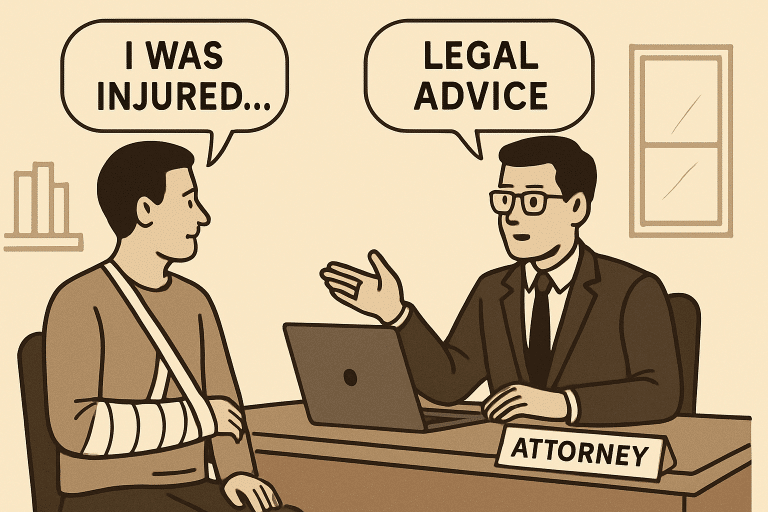
Partnering with an experienced personal injury attorney can be a game-changer for your claim. A knowledgeable lawyer will evaluate your case, help you understand your rights, negotiate with insurance companies on your behalf, and, if necessary, advocate for you in court. Legal counsel can also clarify confusing terminology and ensure that all documents are prepared and filed properly.
Certain cases may involve unique state-specific regulations. For example, Florida’s no-fault law requires those injured in auto accidents to seek medical treatment within 14 days to qualify for personal injury protection benefits. An attorney will be familiar with these rules and can help you meet every necessary requirement to preserve your eligibility for compensation. They will also be able to assist in cases involving disputed liability, multiple parties, or complex insurance coverage questions.
Conclusion
Accidents often bring chaos and confusion, but understanding your legal rights can help restore a sense of control following an injury. Prioritizing prompt medical care, gathering and preserving evidence, learning about liability laws, and consulting a qualified attorney can all help you achieve the best possible outcome for your recovery. Navigating these steps thoughtfully empowers you to pursue both justice and fair compensation with confidence.

