


Addiction is something that’s often vastly misunderstood. For the uninitiated, the uninformed and the perhaps slightly ignorant, it can often be thought of as a matter of choice or lack of willpower. But that’s far from the case.
Whether struggling with alcohol dependence, drug withdrawal, social media addiction or anything else, there’s growing evidence to suggest that for many people, addiction is closely linked to past experiences of trauma. For anyone living with addiction, understanding that is key on the pathway to recovery and throughout addiction treatment, learning how to deal with trauma, both past and present, is a vital step.
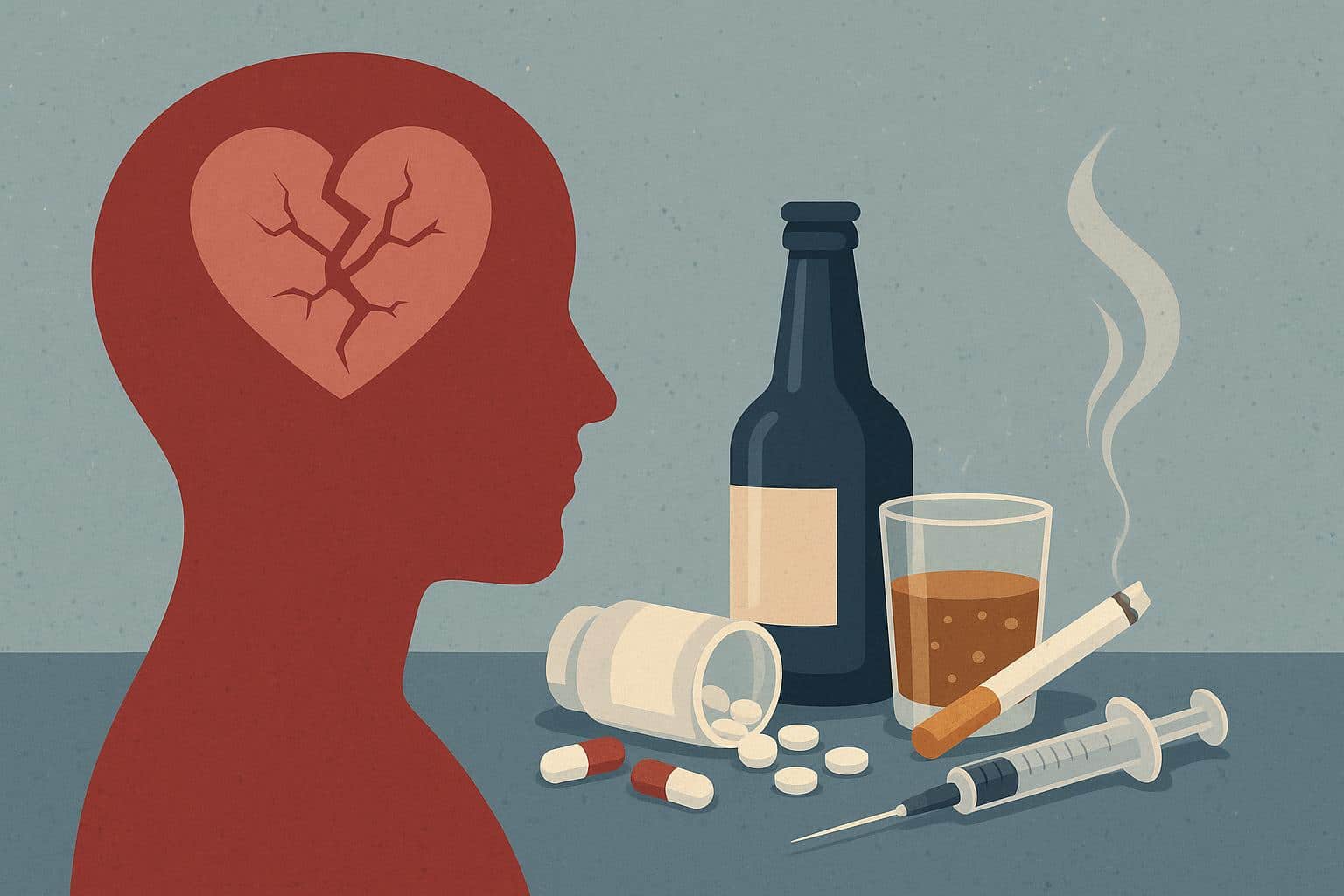
Trauma can have a big role in an addiction’s development and here’s all the details you need to know on why that is the case…
What Is Trauma?
Trauma refers to deeply distressing or disturbing experiences that overwhelm an individual’s ability to cope. This can include events such as abuse, neglect, violence, loss, or prolonged exposure to stress. Trauma is not limited to major life events; it can also arise from ongoing situations, such as growing up in an unstable or unsafe environment.
Importantly, trauma is subjective. What may be traumatic for one person may not affect another in the same way. Factors such as age, support systems, and personal resilience all influence how an experience is processed.
How Trauma Affects the Brain and Behaviour
Trauma can have a lasting impact on both the brain and the body. It can disrupt the nervous system, leaving individuals in a heightened state of alertness or, conversely, emotional numbness. These responses are natural survival mechanisms, but when they persist, they can make everyday life feel overwhelming.
In many cases, individuals who have experienced trauma struggle with anxiety, depression, or difficulty regulating emotions. Substances or addictive behaviours may then be used as a way to cope. For example, alcohol might be used to dull intrusive thoughts, while other substances may provide temporary relief from emotional pain.
Over time, this pattern of self-medication can develop into addiction. What begins as a way to manage distress can become a dependency, as the brain starts to rely on these substances to function or feel “normal”.
The Cycle of Trauma and Addiction
Trauma and addiction often exist in a cyclical relationship. Trauma can lead to addiction, and addiction can, in turn, create further traumatic experiences. For instance, substance misuse may result in damaged relationships, financial difficulties, or legal issues, all of which can add to emotional distress.
This cycle can make it particularly difficult for individuals to break free. Without addressing the underlying trauma, attempts to stop addictive behaviours may feel overwhelming or unsustainable.
The Importance of Trauma-Informed Care
Recognising the role of trauma has led to the development of trauma-informed approaches to addiction treatment. Rather than focusing solely on the addictive behaviour, these approaches consider the individual’s life experiences and emotional needs.
Trauma-informed care emphasises safety, trust, and empowerment. Therapists work to create an environment where individuals feel understood and supported, rather than judged. This can help build the confidence needed to explore difficult experiences and develop healthier coping strategies.
Such approaches may include therapies that focus on processing trauma, building emotional regulation skills, and strengthening resilience. The goal is not only to reduce substance use, but also to address the root causes of addiction.
Breaking the Stigma
Understanding the link between trauma and addiction can also help challenge harmful stereotypes. Viewing addiction through a compassionate lens encourages empathy and reduces blame. It highlights the importance of support, rather than punishment, in helping individuals recover.
This shift in perspective is crucial, as stigma can often prevent people from seeking help. When individuals feel judged or misunderstood, they may be less likely to access the support they need.

