


Students tend to display social difficulties in subtle forms at first, but gradually, their actions change in ways that cause concern.
You might find a student evading group activities, unusually silent with some peers, or highly sensitive to minor social disappointments. Since there is no observable conflict, it might be hard to conclude whether it is a normal peer tension or a larger problem associated with relational aggression.
- Relational Aggression in School Social Dynamics
- Emotional And Social Consequences On Youth Development
- 1. Self-Worth And Identity Disruption
- 2. Anxiety And Emotional Withdrawal
- 3. Peer Trust And Relationship Difficulties
- 4. Academic Engagement And School Connection
- Impact On Students Displaying Aggressive Behaviors
- Strategies That Reduce Relational Harm And Strengthen Peer Skills
- Bottomline
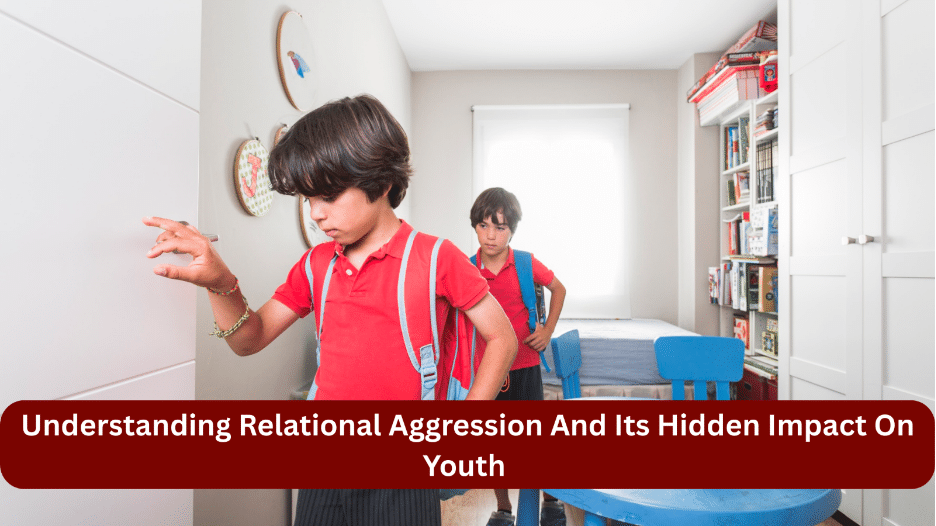
As these patterns persist, the relationships in the classroom deteriorate, emotional safety decreases, and learning starts to decline.
However, a lot of these issues can be traced to underlying social behaviors that can be identified and resolved through proper awareness. By learning about these dynamics, teachers can react with practical interventions that can reinstate healthy peer relationships and emotional regulation.
The article describes relational aggression, its hidden impact on students, and school-based strategies that can be used to minimize social harm.
Relational Aggression in School Social Dynamics
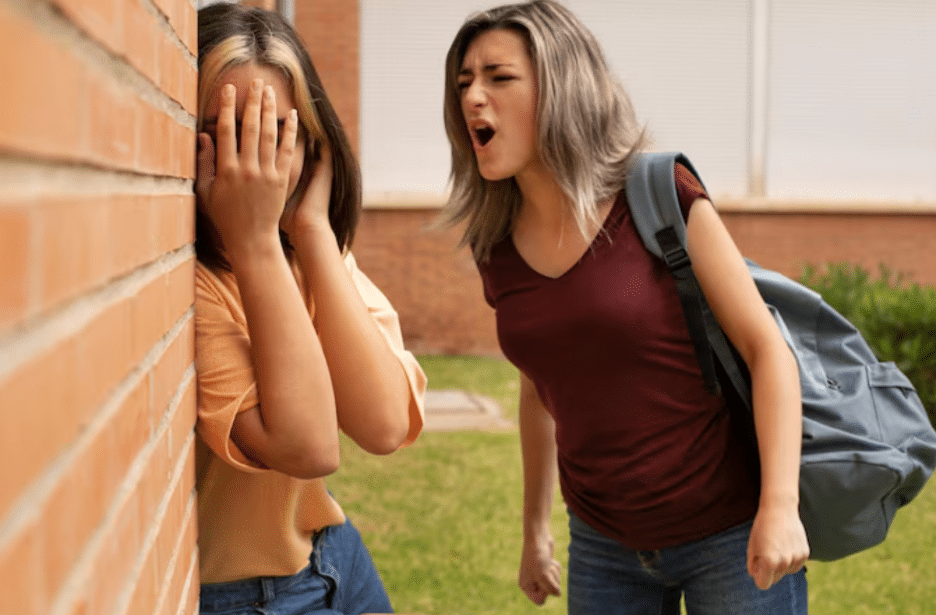
Relational aggression in school contexts is the pattern of social interaction that is directed to damage the peer relationships of a student or their social status in a group. Rather than fighting, students can isolate fellow students, spread rumors, give them the silent treatment, or even use friendships to control group dynamics.
Some of these practices are common in daily activities like recess, group projects, or even lunchtime, and therefore, they can go unnoticed easily. When such behaviors are recurring, it is a sign of a continuing pattern of harm and not normal peer conflict.
These actions are normally achieved by indirect communication. A student may manipulate others to stop bonding with someone or ostracize a peer more than once by skipping them in activities without expressing hostility.
Adults might not see the seriousness in the absence of an apparent argument. With time, these tendencies encourage social control rather than collaboration, which demoralizes peer trust and the classroom atmosphere in general. Recognition at an early age will ensure that such behaviors are not accepted as social norms.
Emotional And Social Consequences On Youth Development
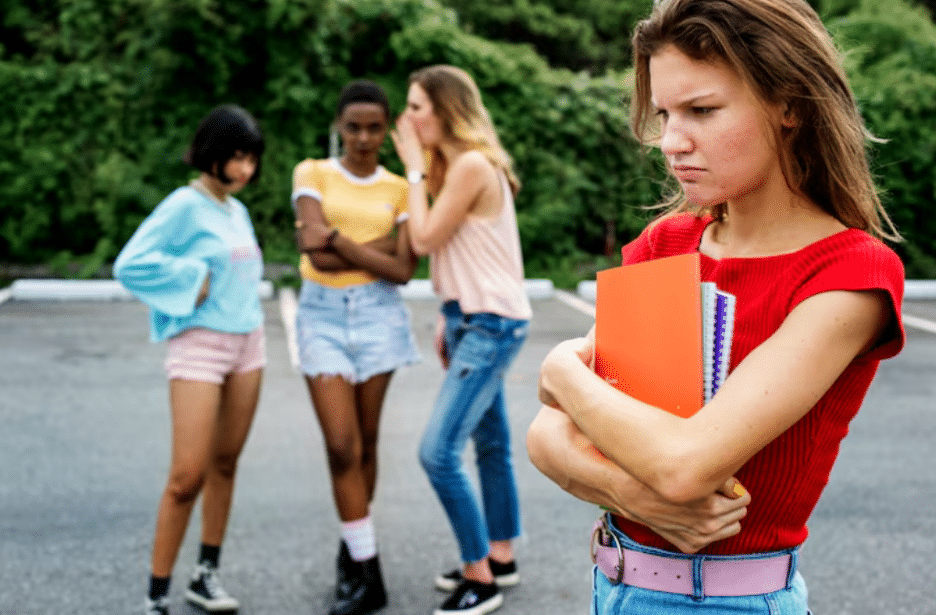
The impact of relational aggression is not restricted to the peer interactions aspect; its influence is also felt on the emotional well-being of the students, their social confidence, and their engagement in school. Since these experiences influence a student’s sense of belonging, the effects are usually internal, influencing how they view themselves and interact with others. Such unseen effects may affect relationships and the learning process in the long run.
1. Self-Worth And Identity Disruption
Constant marginalization influences the self-perception of students. They might feel undesired and feel that they were not socially valued. The change undermines self-esteem and identity formation at a critical developmental phase, leading to reluctance to engage and socialize with peers.
2. Anxiety And Emotional Withdrawal
Emotional strain is usually the result of social stress. Students with a history of rejection by their peers can experience anxiety in group work or in unsupervised socializing time. Therefore, they can withdraw, evade eye contact, or display abrupt mood swings. Since this distress is internal, it may be confused with shyness or disinterest as opposed to emotional discomfort associated with peer dynamics.
3. Peer Trust And Relationship Difficulties
Relational harm impacts the way students think about friendships. Children who are constantly betrayed can anticipate being rejected and even develop difficulties in making stable relationships. Others avoid social risks, and others attempt to form friendships by acting like a people-pleaser. Both trends restrict the formation of healthy and balanced peer relationships and decrease confidence in coping with social situations.
4. Academic Engagement And School Connection
Learning is also impacted by emotional distress. Socially unsafe students usually struggle to focus and may engage less in group discussions. Others start skipping school activities in order to avoid peer discomfort. This gradually decreases their belongingness and lowers academic confidence, which may affect future educational achievement.
Impact On Students Displaying Aggressive Behaviors
Students who use relational harm also face developmental challenges. Patterns of social manipulation can become habitual, making it harder to build respectful relationships later.
Without guidance, these behaviors may contribute to ongoing interpersonal conflict and difficulty with emotional regulation. Early support helps redirect these patterns toward healthier interaction skills.
Strategies That Reduce Relational Harm And Strengthen Peer Skills
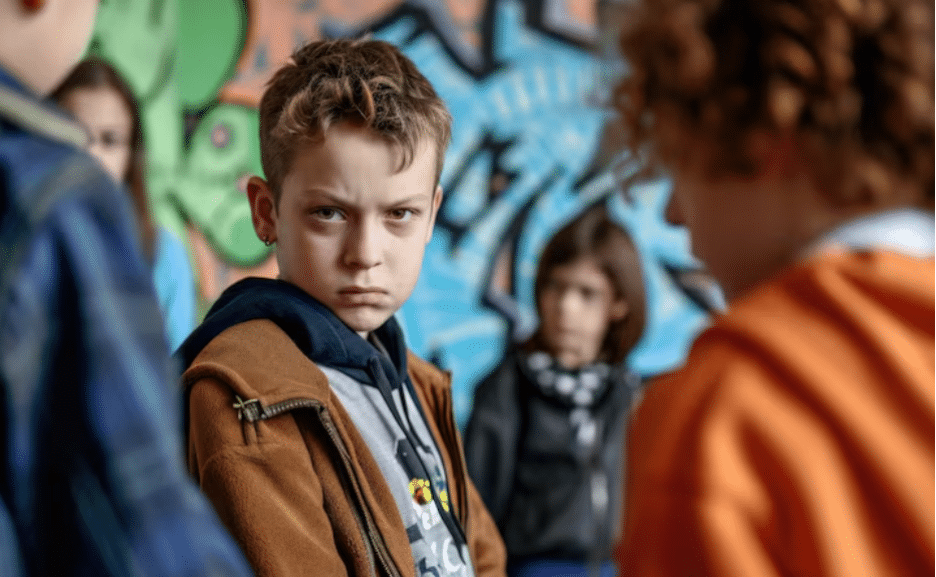
Reducing social harm in schools requires both awareness and consistent skill development. When educators respond early and reinforce positive peer interaction, students are more likely to build healthy social habits. Instead of reacting only after conflicts escalate, teachers can guide students toward better choices through structured support and classroom practices.
Key approaches include:
- Observe repeated patterns: Focus on consistent exclusion or social imbalance rather than single conflicts.
- Teach empathy and perspective awareness: Help students understand the emotional impact of their social choices.
- Model respectful communication: Demonstrate calm conflict resolution and clear expression of feelings.
- Use role-play and guided scenarios: Allow students to practice healthy responses to peer tension.
- Set expectations for inclusion: Reinforce that respectful and supportive peer interaction is a classroom standard.
- Recognize positive peer behavior: Acknowledge cooperation and kindness to strengthen healthy norms.
- Encourage peer support: Empower students to include others and respond to social exclusion.
- Use small-group skill support when needed: Targeted sessions can build emotional regulation and relationship skills.
Bottomline
Relational aggression influences student well-being in ways that are often subtle yet deeply impactful. Its effects on self-confidence, emotional health, peer trust, and academic engagement can shape how students experience school and relationships.
By recognizing these social patterns and understanding their consequences, educators gain the ability to respond thoughtfully rather than reactively. Observation, skill instruction, and supportive classroom practices work together to reduce harm and promote respectful interaction.
When schools prioritize emotional safety alongside academics, students develop stronger peer connections and healthier social skills that extend well beyond the classroom.

