


Why Lower Back Pain Is So Common
Lower back pain affects millions of people worldwide. Whether it’s from long hours sitting at a desk, repetitive movements, poor posture, stress, heavy lifting, or inactivity, many of us experience discomfort in the lower back at some point in our lives. While the pain can range from mild stiffness to debilitating episodes, finding effective relief is key to staying active, healthy, and productive.
Remedial massage is one of several therapeutic options people explore to manage and prevent lower back pain. In this post, we’ll look at what lower back pain is, how remedial massage for lower back pain in Melbourne works, common causes, what to expect from a session, and practical tips for long‑term relief.
- Why Lower Back Pain Is So Common
- What Is Remedial Massage?
- How Lower Back Pain Develops
- How Remedial Massage Helps Lower Back Pain
- Targeting Tight Muscles and Trigger Points
- Improving Posture and Movement Patterns
- Supporting the Body’s Healing Processes
- What to Expect in a Remedial Massage Session
- Other Strategies to Complement Remedial Massage
- Is Remedial Massage Right for You?
- Conclusion: Integrating Remedial Massage Into Pain Relief
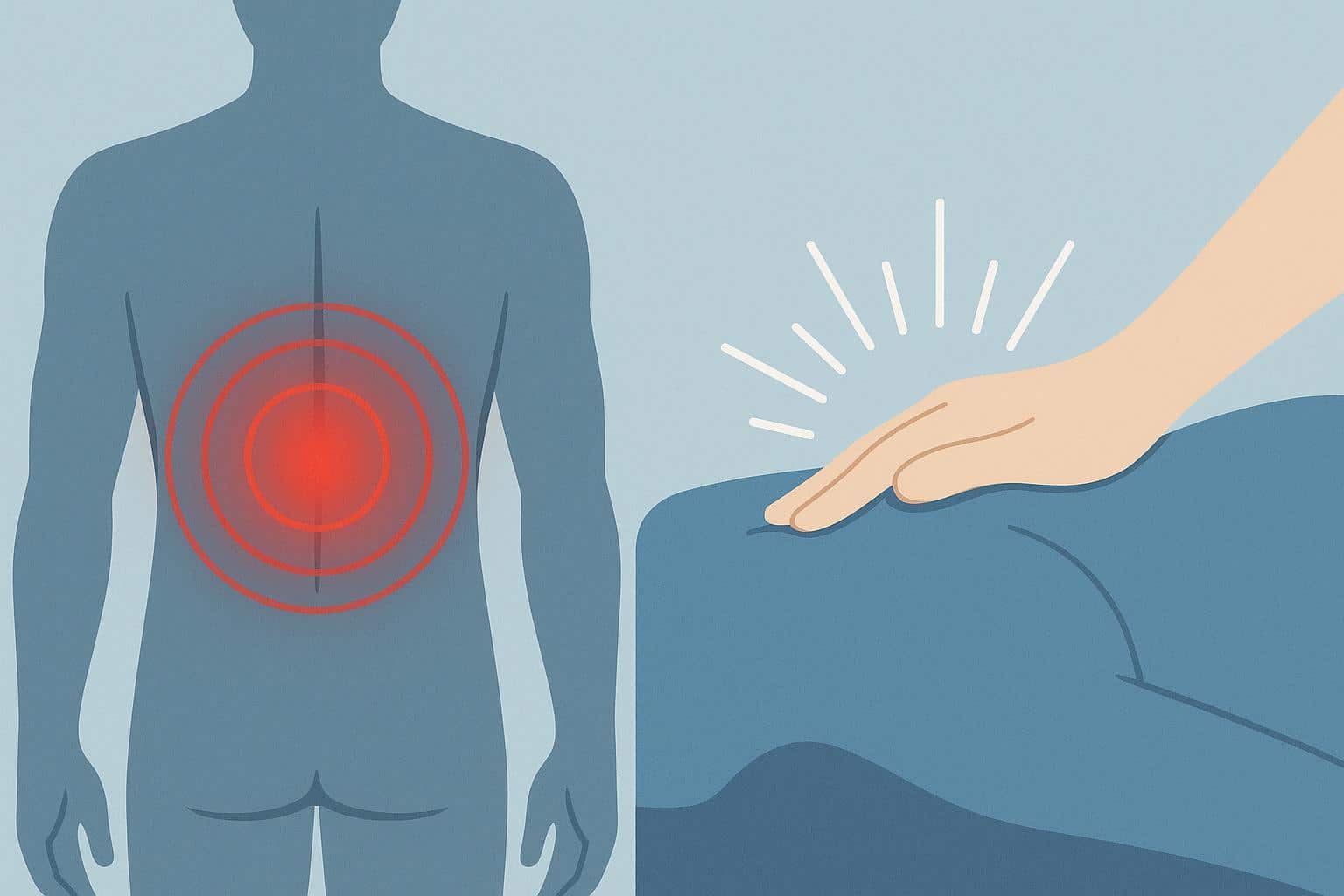
What Is Remedial Massage?
A Holistic Approach to Musculoskeletal Pain
Remedial massage is a type of therapeutic bodywork focused on identifying and treating areas of tension, pain, or dysfunction in muscles and soft tissues. It combines a variety of massage techniques — such as deep tissue massage, trigger point therapy, myofascial release, and stretching — to improve mobility, reduce pain, and support the body’s natural healing processes.
Unlike a general relaxation massage, remedial massage is structured around a specific problem (like lower back pain) and tailored to an individual’s needs.
How Lower Back Pain Develops
Common Causes
Lower back pain doesn’t have a single cause. It can stem from:
- Poor posture
- Prolonged sitting or standing
- Muscle strains or sprains
- Weak core muscles
- Poor lifting technique
- Repetitive movements
- Emotional stress and muscle tension
- Herniated or bulging discs
- Sciatica or nerve irritation
Often, it’s a combination of these factors that leads to persistent discomfort. For many people, pain develops gradually over weeks or months rather than suddenly.
When Pain Becomes Chronic
If lower back pain lasts for more than a few weeks or keeps coming back, it may be classified as chronic. Chronic pain can interfere with daily life — affecting sleep, work, exercise and overall mood. It’s at this stage that many people review lifestyle factors and explore targeted therapies like remedial massage as part of a broader pain management plan.
How Remedial Massage Helps Lower Back Pain
Targeting Tight Muscles and Trigger Points
One of the main ways remedial massage can help is by releasing tight muscles and adhesions (knots) that contribute to pain and restricted movement. Therapists use skilled pressure and movement to:
- Reduce muscle tension
- Improve blood flow to affected areas
- Break down scar tissue or adhesions
- Increase flexibility in muscles and connective tissue
Improving Posture and Movement Patterns
Over time, muscle imbalances and poor posture can lead to chronic tension in the lower back. Remedial massage can help retrain muscles and improve awareness of body mechanics. By addressing these patterns, it becomes easier to maintain healthier posture during everyday activities.
Supporting the Body’s Healing Processes
Massage encourages lymphatic flow, which helps remove metabolic waste products from tissues. Better circulation also supports healing after minor injuries or strains. While massage isn’t a cure‑all, it can play a supportive role alongside other lifestyle changes and therapies.
What to Expect in a Remedial Massage Session
Initial Assessment
A qualified remedial massage therapist will usually begin with a conversation about your symptoms, work or lifestyle factors, and any injuries or medical history. They may then assess posture and movement to identify contributing factors to your lower back pain.
Treatment Techniques
The session might include a mix of:
- Deep tissue techniques
- Trigger point release
- Myofascial stretching
- Joint mobilisations
- Gentle relaxation massage
Therapists adjust pressure and technique based on your comfort and response during the session.
Aftercare Advice
Good therapists often provide guidance on self‑care after massage. This may include:
- Gentle stretching exercises
- Posture tips
- Heat or cold therapy suggestions
- Hydration advice
- Simple strengthening movements
Aftercare is an important part of maximising the benefits of each session.
Other Strategies to Complement Remedial Massage
Exercise and Movement
Strengthening core muscles (abdominals, lower back stabilisers, hips) can significantly reduce the likelihood of recurring lower back pain. Activities like walking, Pilates, yoga and swimming are often recommended as gentle ways to support spinal health.
Posture Awareness
Small adjustments — such as ensuring desks and chairs are ergonomically set up, taking frequent breaks from sitting, and using proper lifting mechanics — can make a big difference over time.
Stress Management
Emotional tension often translates into physical muscle tightness, especially in the back, neck, and shoulders. Practices like mindfulness, breathing exercises, and regular physical activity can support both mental and physical well‑being.
Is Remedial Massage Right for You?
Remedial massage can be a valuable tool for many people looking to manage lower back pain, but it’s most effective when used as part of a wider plan that includes movement, posture support, and lifestyle habits. If your pain is severe, sudden, or associated with other symptoms like numbness, weakness, or loss of bladder/bowel control, seeking medical advice is important.
Conclusion: Integrating Remedial Massage Into Pain Relief
Lower back pain is a common challenge, but it doesn’t have to control your life. Remedial massage offers a personalized and targeted way to reduce muscle tension, improve movement, and support the body’s natural healing. When combined with sensible movement habits, posture awareness, and stress management, it can be a helpful component in a long‑term pain‑relief strategy.
By understanding your body and choosing approaches that suit your needs, you can work toward a healthier, more comfortable daily life without letting lower back pain hold you back.

