


Alcohol breathalysers are portable devices designed to estimate the amount of alcohol in a person’s breath — and by extension, blood alcohol concentration (BAC). They’re used in many settings: from personal use after a social event to workplace safety checks before starting duties. Breathalysers take advantage of how alcohol enters the lungs from the bloodstream, allowing a quick reading from a breath sample rather than a blood test.
These alcohol breathalysers have become more accessible over recent years due to advancements in sensor technology, making them reliable tools not just for law enforcement but also for individuals looking to monitor drinking habits responsibly.
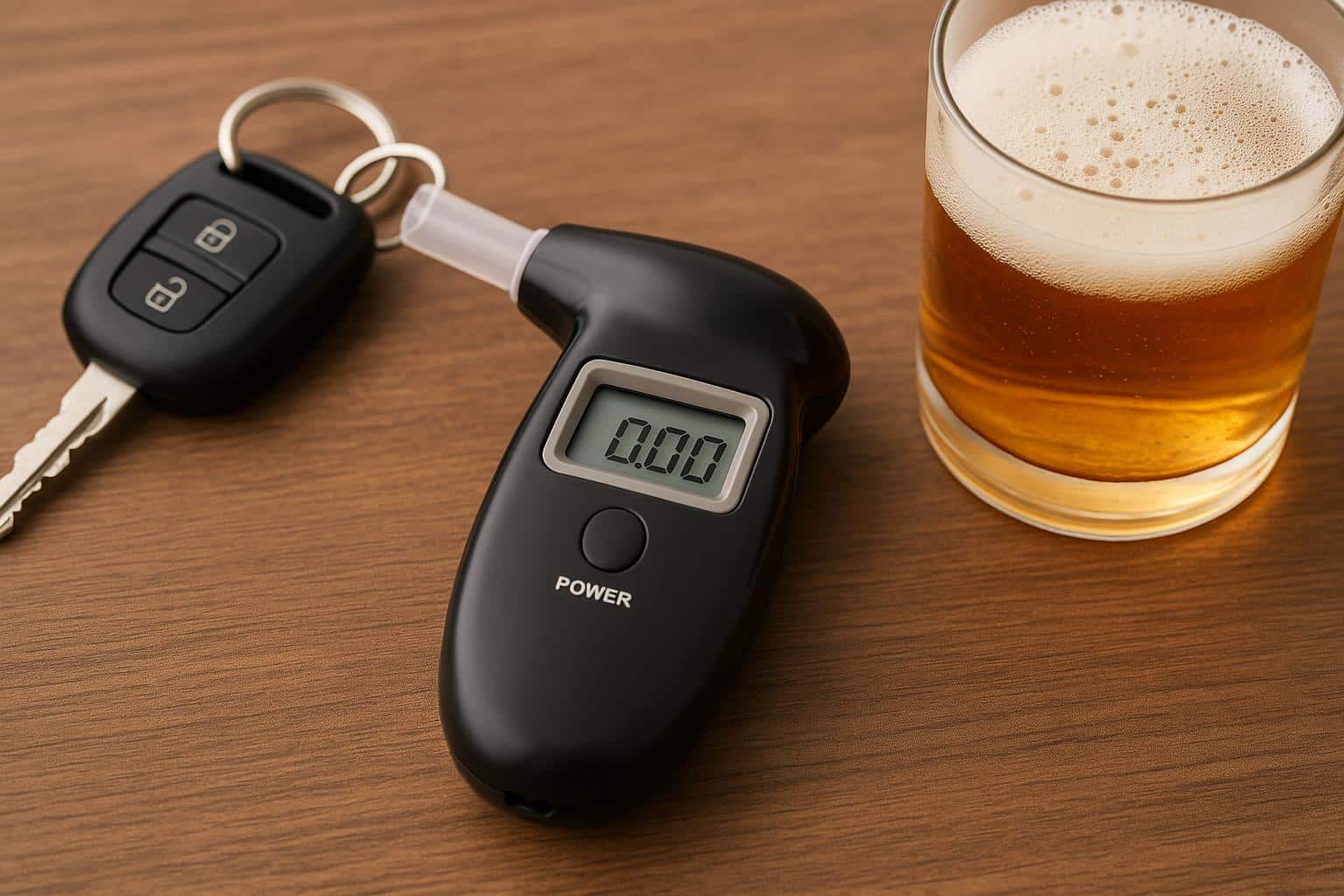
Why Breathalysers Matter
Alcohol affects people differently, and guessing your BAC based on how you feel can often be misleading. Breathalysers provide an objective measurement that helps users make safer decisions — especially when it comes to driving or engaging in activities where impairment could pose serious risks. Regularly checking your BAC can encourage more responsible drinking and a clearer understanding of how your body processes alcohol.
In workplace environments, especially those involving heavy machinery or safety‑critical tasks, breathalysers help employers protect employees and meet compliance standards. They support consistent application of safety policies, which can reduce alcohol‑related incidents and liability.
How Breathalysers Work
Alcohol breathalysers typically use one of two types of sensors: fuel cell sensors or semiconductor sensors. Fuel cell models are known for greater accuracy and stability over time and are often used in professional or workplace settings, while semiconductor units may be more affordable and intended for personal, occasional use.
A breathalyser works by analysing a breath sample. When alcohol is present in a person’s bloodstream, some of it transfers into the air in the lungs. The device estimates BAC based on the concentration of alcohol molecules in the exhaled air, using that as a proxy for blood levels.
Choosing the Right Breathalyser
Accuracy and Certification
Opt for a device with recognised certifications that reflect reliable performance. In Australia, for example, standards like AS3547 ensure a certain level of quality and reproducibility in results — particularly important for workplace safety or legal contexts. Regular calibration is key to maintaining this accuracy over time.
Ease of Use
Look for breathalysers with clear digital displays and simple operation. Devices that are intuitive to use help ensure consistent testing and minimise user errors. Some models also log previous readings or come with features like Bluetooth connectivity and app integration for tracking over time.
Portability and Purpose
For personal use, compact and lightweight breathalysers are practical — they can be stored in a bag or glove compartment and used on the go. For workplaces, larger and more robust models with passive screening options may be preferable to handle frequent testing and multiple users.
Maintenance and Calibration
All breathalysers require periodic maintenance to stay accurate. Calibration — adjusting the device’s sensor to a known standard — is typically recommended every 6‑12 months depending on usage. Failing to calibrate can result in drift, where readings become progressively less reliable.
Tips for Getting Accurate Readings
- Wait before testing: Wait at least 15–20 minutes after your last drink before using a breathalyser to avoid mouth alcohol skewing the results.
- Clean and dry: Ensure the device and mouthpiece are clean to prevent residue from affecting readings.
- Follow instructions: Read and follow the manufacturer’s guidelines for breathing technique and device handling.
- Check calibration: Regularly check when your breathalyser was last calibrated and arrange recalibration as recommended.
Practical Uses of Breathalysers
Personal Safety
Many individuals use breathalysers after social events to check their BAC before deciding to drive. Having an objective number to reference helps prevent risky situations and promotes safer habits.
Workplace Compliance
In industries where alcohol impairment can lead to costly accidents or endanger lives, routine testing before shifts helps ensure a sober workforce. Breathalysers support fairness by applying the same standard to all employees.
Enhancing Awareness
Beyond safety, breathalysers can help users understand how different types of drinks or consumption patterns impact their BAC levels. This self‑monitoring can lead to more informed decisions about alcohol intake and moderation.
Conclusion
Alcohol breathalysers are more than just gadgets; they’re practical tools that support responsible drinking, road safety, and workplace compliance. By choosing the right device, maintaining it properly, and using it as part of a broader approach to alcohol awareness, individuals and organisations alike can make smarter decisions about when and how alcohol affects their activities. Whether you’re planning a night out or managing a safety‑conscious workplace, breathalysers offer clarity, confidence, and peace of mind.

