


Uber is rolling out its Women Preferences tool across the United States, giving riders the option to request women drivers and allowing women drivers to prioritize ride requests from women and teens. After pilots in Los Angeles, San Francisco, and Detroit, the company says the safety-focused matching option is now available coast to coast.
Uber reports the setting has already been used on 230 million trips globally since launch. The company says Women Preferences is available to drivers in 40 countries and to riders in seven, including the U.S., Germany, France, Saudi Arabia, Portugal, Brazil, and Spain, signaling a broader strategic push to retain women drivers and reassure riders concerned about personal safety.
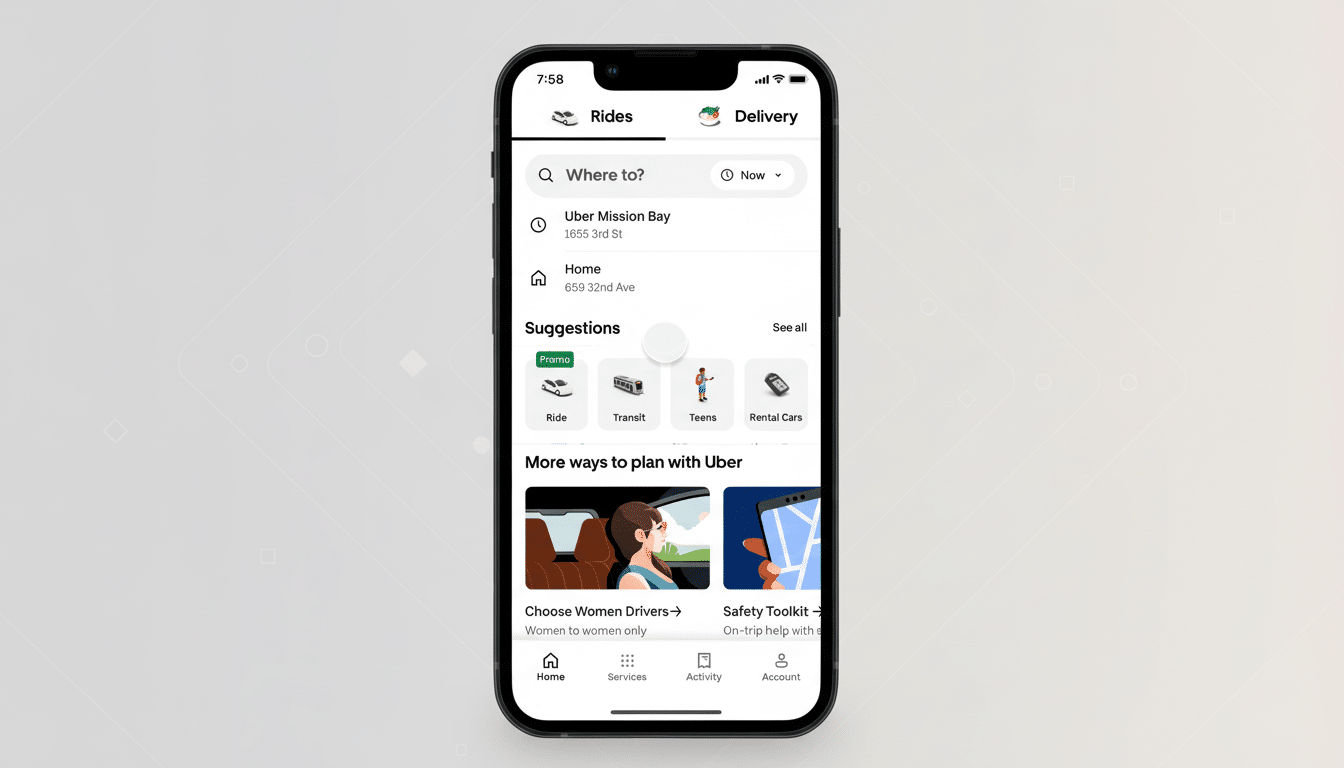
How Women Preferences Works for Riders and Drivers
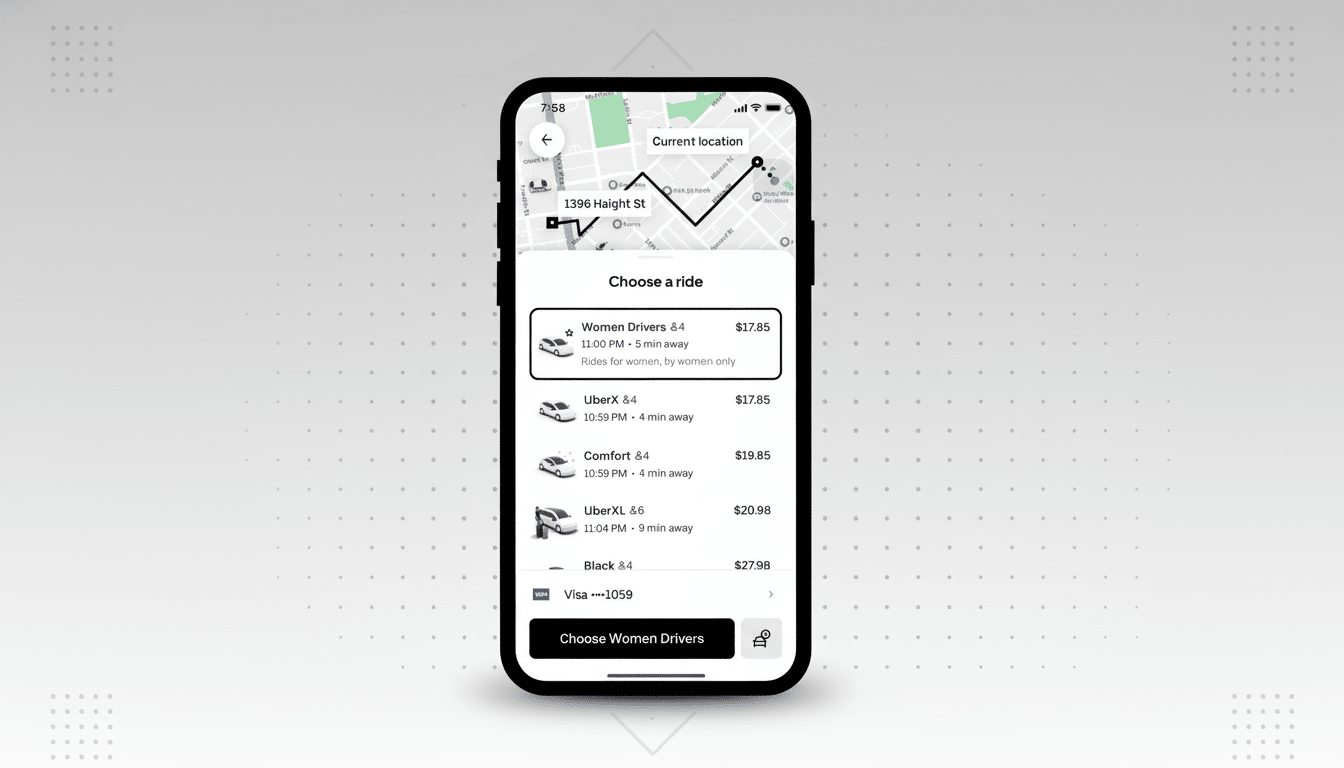
The opt-in tool lets eligible riders request a woman driver when one is nearby, and it lets women drivers set a preference to receive ride requests from women and from Uber Teen Accounts. Riders can also schedule trips and select the preference in advance, which Uber says helps reduce last-minute cancellations and improves matching during late-night or early-morning hours when demand patterns shift.
While the standard marketplace still prioritizes proximity and ETA, Women Preferences inserts a safety-oriented layer when both sides opt in. For example, a nursing student heading home after a clinical shift can request a woman driver, while a woman driver on the same route can choose to accept primarily women riders during nighttime driving. Uber positions the feature as additive, not a replacement for core safety measures like on-trip audio recording options, PIN verification, and emergency assistance within the app.
Safety Context and Industry Benchmarks in Ridesharing
Rideshare safety has faced sustained scrutiny from regulators, courts, and advocacy groups. In its most recent U.S. Safety Report covering 2019–2020, Uber documented 3,824 reports of sexual assault across roughly 2.1 billion trips, noting a 38% decline in reported incidents compared with the prior period. Safety nonprofits such as RAINN and the National Sexual Violence Resource Center have long urged companies to incorporate survivor-informed design and more granular rider control—precisely the niche Women Preferences is intended to address.
Competitor Lyft introduced Women+ Connect to match women and nonbinary riders with non-male drivers and expanded it nationwide in 2024. Both platforms frame these tools as voluntary controls that can raise comfort levels and encourage participation among women, who make up a smaller share of the driver base. Analysts note that even modest improvements in perceived safety can boost driver retention and unlock supply during peak periods when women drivers traditionally opt out.
Legal pressures and policy risks surrounding matching tools
Uber’s expansion lands amid legal turbulence. A jury recently found the company partially liable for sexual violence committed by a driver and awarded more than $8 million in damages to rider Jaylynn Dean. Reporting by the New York Times indicates Uber faces thousands of pending cases alleging sexual assault or misconduct. Plaintiffs’ attorneys and safety advocates have consistently pushed for proactive features that prevent high-risk matches rather than relying on post-incident reporting alone.
At the same time, a growing number of male drivers have claimed that women-preference matching reduces their earnings, with lawsuits arguing the practice constitutes gender-based discrimination. Legal experts say courts will likely weigh competing priorities: the permissibility of targeted safety tools in a marketplace of independent contractors versus potential disparate impact on certain workers. Uber has maintained that the feature is optional and demand-driven, enabling women to choose how they engage on the platform while keeping the broader marketplace intact.
What this means for riders and drivers across the U.S.
For riders, especially those traveling alone, late at night, or booking for teens, the ability to request a woman driver adds a visible layer of control that many have asked for. For drivers, particularly women who selectively log on during certain hours, the preference can reduce anxiety and open the door to more consistent earnings. Uber is betting that greater comfort translates into higher utilization—more women joining and staying active behind the wheel, and more riders choosing the app for sensitive trips.
The next test will be transparency. If Uber reports measurable shifts—lower cancellation rates on preference-enabled trips, higher driver retention among women, or reduced incident reports—Women Preferences could become a default expectation across the industry, not a differentiator. Independent audits, continued publication of safety reports, and clear communication about who qualifies and how matching works will determine whether the expansion delivers on its safety promise without unduly disadvantaging other workers.
For now, the company has made one of its most-requested controls widely available. Whether it reshapes the culture of ridesharing—or simply becomes a standard checkbox—will hinge on adoption, outcomes, and how Uber navigates the legal and ethical trade-offs inherent in preference-based safety design.

