


After many years of meritorious service to the nation, veterans are recognized for their service through support for their daily living. However, these benefits are not automatic as the Department of Veteran Affairs (VA) conducts timely reexaminations to ensure you maintain the benefits.
“Without knowledge of how to handle the reexaminations, you may find yourself in a web of fear,” says veteran disability attorney Jan Dils from Fight4Vets. This fear comes from the possibility of losing your benefits. To avoid this, this article explains what VA reexaminations entail, helping you better understand the process.
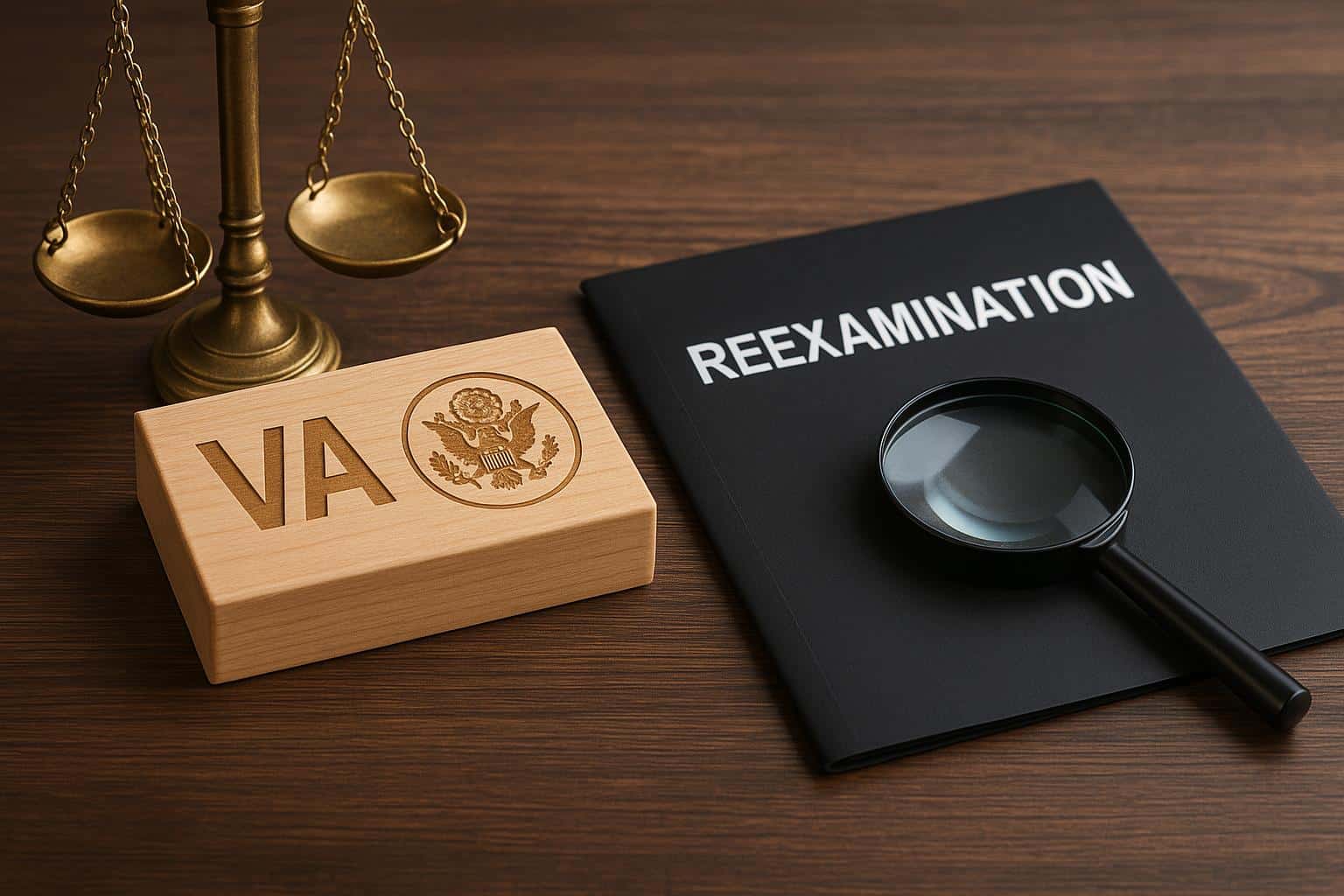
What Does the VA Reexamination Entail?
VA reexamination is a medical examination conducted on the instructions of the Department of Veterans Affairs to review the current state of a veteran’s medical condition. Overall, the goal of this reexamination is to know whether their service-connected disability rating should be reviewed upward, downward, or maintained. Transparency is at the heart of VA reexaminations, ensuring that conditions not previously considered permanent are reviewed promptly so that veterans receive what they truly deserve.
When Does the VA Require a Reexamination?
Not everyone is subject to a veteran reexamination, as certain circumstances may necessitate it. Some of these circumstances may include, but are not limited to, the presence of new evidence or the need to conduct periodic examinations.
You may be generally exempted from reexamination if you are over 55 years old, your disability is permanent and total, or you have maintained the same rating for over 20 years.
What Happens During the Reexamination?
The reexamination process is similar to your original Compensation and Pension (C&P) exam. You shall receive a notice from the VA with details about the date, time, and location of your appointment. These exams are usually conducted by a VA medical professional or a contractor, and they typically involve the following:
- The examiner will review your medical history, including previous VA ratings and treatment records.
- You may undergo a physical or psychological evaluation depending on the nature of your disability.
- The examiner will ask questions about your daily limitations, employment status, and ongoing symptoms.
After the exam, the VA will review the results and decide whether your disability rating should remain the same, increase, or decrease. By then, expect to receive a decision letter outlining any changes and the reasoning behind them.
How Reexaminations Can Affect Your Benefits
The outcome of a VA reexamination can go one of three ways. A ‘no-change’ status can be achieved, which maintains your current benefit. Additionally, you may experience an increase in rating with higher compensation or a decrease in rating with reduced benefits.
It is important to note that the VA must provide clear medical evidence to justify any reduction. In addition, you also have the right to appeal a decision if you believe it was made in error.
Practical Steps to Take to Protect Your Benefits
Preparation is key when facing a VA reexamination, and here are steps you can take to protect your benefits:
- Stay Consistent with Medical Treatment: Regularly attend medical appointments and keep detailed records of your symptoms and treatments. Gaps in care may appear as evidence of improvement, even if you are still struggling to make progress.
- Gather Documentation: Bring copies of medical records, prescriptions, or letters from healthcare providers that support your ongoing disability.
- Be Honest During the Exam: Accurately describe your symptoms and limitations. Inconsistencies can raise red flags that may harm your case.
- Consult a Veterans’ Service Officer (VSO): VSOs or accredited attorneys can help you understand your rights, prepare for the reexamination, and challenge any unfavorable decisions.
- Respond Promptly to VA Notices: Failing to attend your reexamination without good cause can result in an automatic reduction or termination of benefits.
Conclusion
VA reexaminations can sometimes be a necessary part of the process to ensure fairness, transparency, and that everyone gets what they deserve. Notwithstanding, you must know what it is and understand the process so you can go in fully prepared. Also, it is recommended that you consult with an attorney for legal guidance or appeal, if you are unsatisfied with the process.
