


Seeking compensation for a serious injury is overwhelming. All the paperwork, insurance calls, and not knowing what your future will be like may add stress when you should be recovering.
“Many Texans find that the more they understand about how it all works, the better they feel about being in control. Every stage in a personal injury case is important to achieve a fair outcome,” explains Harry Fleming, an experienced injury lawyer at Fleming Law Accident & Injury Attorneys.
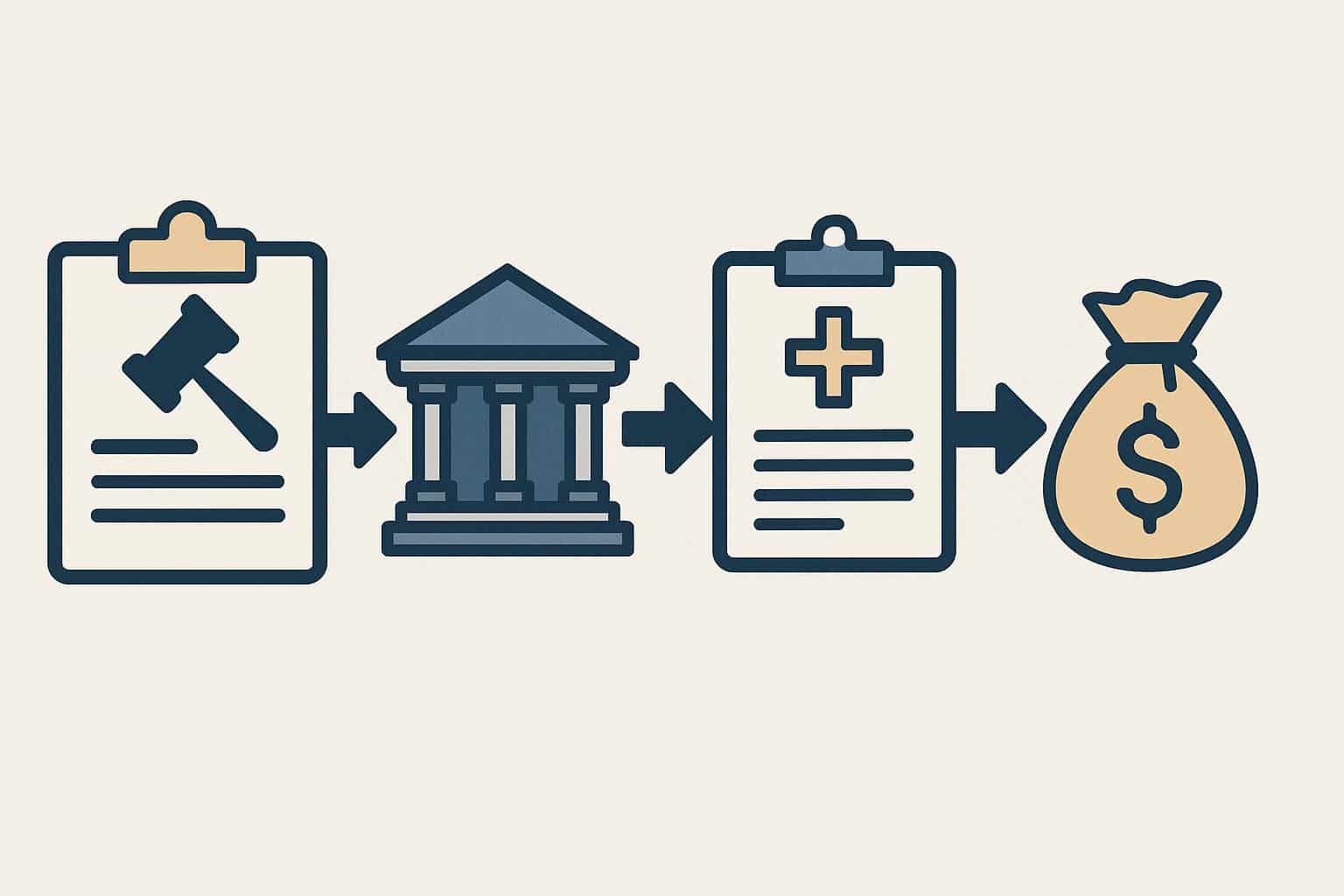
This article will explain how a Texas personal injury claim proceeds from filing to settlement, and what you might expect along the way.
Initial Case Evaluation and Medical Documentation
It all starts long before any lawsuit is filed. First, a personal injury attorney will review your case details and accident reports, along with available evidence, to determine if, under Texas law, you have a strong legal claim.
The role of medical documentation in this process is central. Doctors’ reports, test results, and treatment records establish the link between your injuries and the incident, as well as the cost of recovery.
Accurate documentation ensures all damages, whether medical, financial, or emotional, are appropriately valued. The careful groundwork lays the foundation for everything that follows.
Filing the Complaint and Serving the Defendant
Once the attorney has verified that your case is meritorious, they will draft a complaint. This court document details your injuries, the negligent act of the defendant, and the damages you are seeking.
In Texas, the complaint is filed in the proper civil court, which constitutes the formal commencement of the lawsuit. Subsequent to filing, the defendant is to be served with a copy of the complaint and afforded an opportunity to respond.
Proper service is more than a mere technicality, as it puts both sides on an equal footing. The defendant’s response next sets the stage for the discovery phase of litigation.
Discovery and Depositions
Discovery is an exchange of evidence, documents, and witness information between both parties. It is often the most time-consuming part of a Texas personal injury case because accuracy and transparency are highly valued.
Next come depositions, which permit attorneys to examine both witnesses and professionals under oath. Such sessions divulge information not available from written statements or reports.
Through this process, both sides consider the strengths and weaknesses of their arguments. The evidence uncovered here often sets the tone and direction in later settlement discussions.
Settlement Negotiations
Most personal injury cases in Texas are settled through negotiations rather than going to court. Once the evidence is clear, both parties discuss settlement options that fairly compensate the injured person for losses.
Attorneys handle these negotiations carefully, combining legal analysis with strategic communication. They assess every offer, weighing financial recovery against the potential risks of continuing litigation.
When both parties agree to a resolution, their terms are reduced to writing and signed. Settlement ensures closure without the cost and uncertainty of a courtroom battle.
Trial and Verdict
If negotiations fail, the case goes to trial. Both sides will present their argument, proof, and witnesses before a judge or jury in a Texas court.
Your attorney tells your story, showing how the defendant’s actions directly caused your injuries and losses. In turn, the defense tries to challenge that connection or minimize damages.
After the closing arguments, the jury gives a verdict. If it is in your favor, the court will award compensation based on proven damages and liability.
Final Thoughts
It takes courage to recover after an injury, and that is tested in the legal journey. But with the right attorney leading, every step from filing to settlement becomes a pathway rather than an uphill fight.
If you were hurt in Texas and do not know where to start, talk to a trusted personal injury lawyer. They can help you seek justice while you focus on what matters most: your recovery.

